ADS Recycling Polypropylene
Polypropylene (PP) is used to create sustainable, long lasting chambers and septic tanks. By using recycled materials, ADS helps create a circular economy of plastics while mitigating the flow of water.
Green Initiatives
We are proud recyclers committed to creating a sustainable future, focused on our reason...water. To optimize how we recycle, below are the recycled materials we utilize in parts, purges or processed forms. Most of Infiltrator's products are made of 95% recycled material.
Did You Know?
When it comes to energy, our wastewater treatment systems use less electricity and produce less carbon than conventional systems. Reducing the environmental footprint of materials, product manufacturing, and transportation is a global movement.
Infiltrator recently funded a quantitative research study to understand more about the carbon footprint of the onsite wastewater industry. The study looked at the environmental effects of two types of septic systems. One type uses a concrete tank with a stone and pipe drainfield. The other type uses tanks and chambers made from recycled thermoplastics. Infiltrator found that when transporting the recycled thermoplastic system 1,030 miles, it used much less energy. The conventional systems only traveled 30 miles. The recycled systems cut electricity use by 88%. They also reduced fuel use by 67%. Water consumption dropped by 97%, and carbon emissions fell by 44%. When compared to the total number of septic systems installed each year (estimated at 400,000 installed septic systems in 2013), this could amount to a total yearly savings of the following if every septic system was composed of recycled thermoplastics rather than conventional materials:
- 2.2 billion kWh of electricity = Over 665,000 people removed from the power grid for one year
- 1.8 billion kBtu of fuel = Over 35,000 cars off the road for one year
- 380 million gallons of water = Over 2.5 million people not using water for one day
- 59 kilotons of carbon = Nearly 900,000 trees
Comparison of Energy Use and Carbon Generated from the O&M of Passive Onsite and Centralized Wastewater Treatment Systems ›
by Jonathan Kaiser

Quality Assurance
Quality Assurance
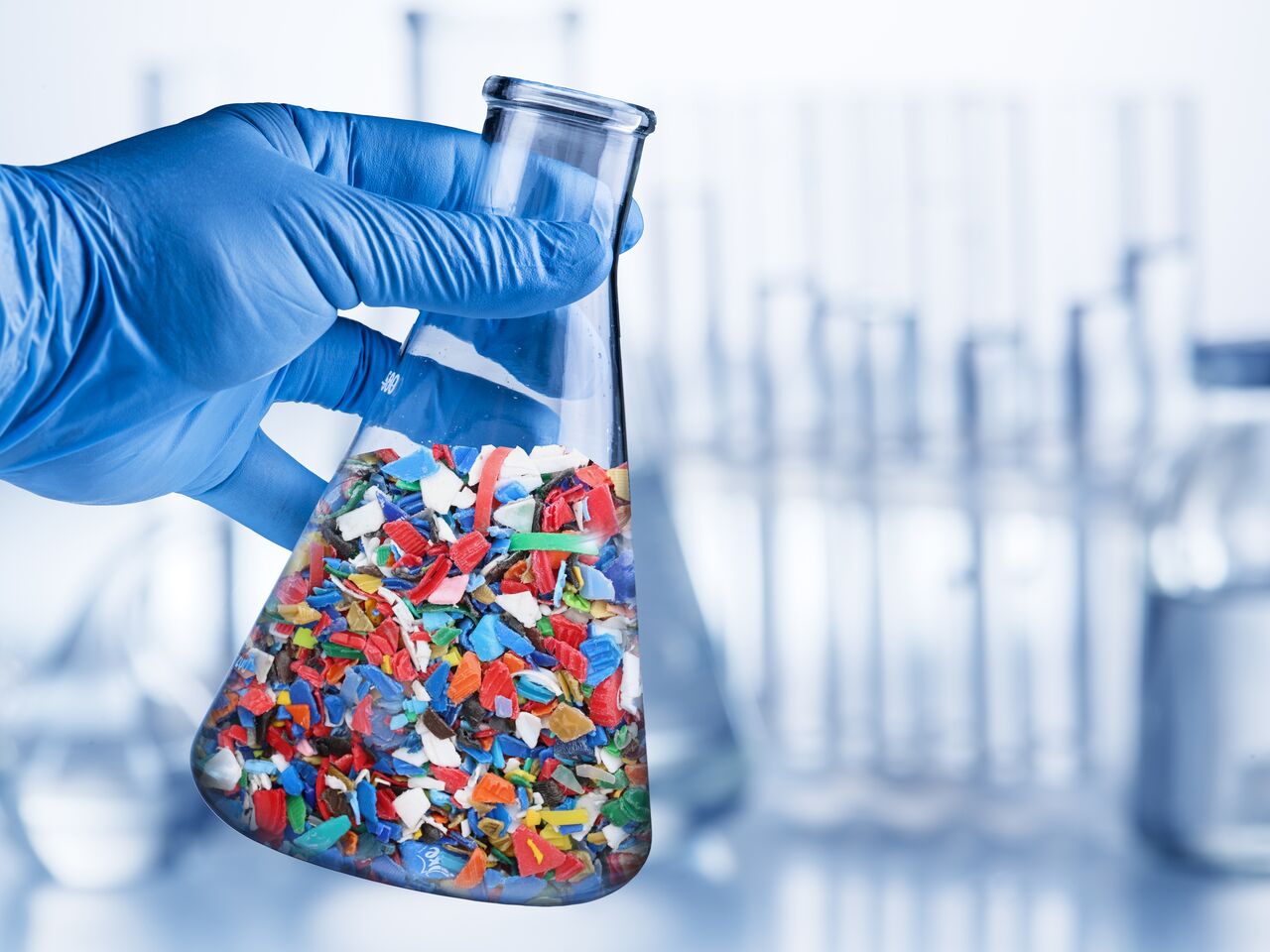
ADS stays up to date on certifications and does extensive ASTM testing of raw material resin components. Recently, the lab at our Winchester plant became ISO certified. Testing verifies that these materials, when blended, meet customer requirements and product performance standards.