
 Infiltrator
July 28, 2023 / 2 minute read
Decentralized Wastewater Treatment Systems, A Solution to Water Scarcity?
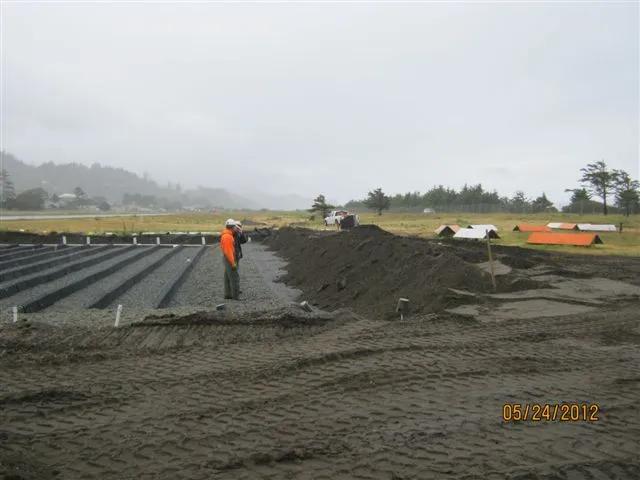
Water scarcity and groundwater depletion concerns are on the rise. How can decentralized wastewater treatment systems address water scarcity and the depletion of groundwater?
Decentralized or onsite wastewater treatment systems have been a trusted solution for centuries. In fact, 25% of the population and 30% of new construction in the United States utilize a septic system or another form of decentralized wastewater treatment. Decentralized wastewater treatment systems do an excellent job of treating effluent onsite, keeping water local to its original source, all while recharging the local water supply. Traditional onsite wastewater treatment systems are tried and true; they are the workhorses that protect public health.
Decentralized wastewater treatment systems offer a resilient and reliable approach to wastewater treatment, minimizing potential environmental impacts while offering flexibility and scalability. From reduced infrastructure costs to managed aquifer recharge (MAR), decentralized systems offer many benefits including the ability to recharge the local water supply.
Decentralized wastewater treatment systems have the ability to recharge the local water supply. More awareness to this particular benefit to solve groundwater shortages is needed. More emphasis on the advantages, the decentralized model offers in promoting sustainable water management practices would lend more understanding. Decentralized wastewater treatment systems return treated wastewater directly into the ground, thereby replenishing aquifers, helping to restore groundwater levels. This promotes the long-term sustainability of water resources and mitigates the impacts of groundwater shortages.
For more information on the benefits of decentralized onsite wastewater systems or to discuss how this model can work for your community please contact us.