
 Infiltrator
May 27, 2022 / 2 minute read
Groundwater Recharge Using Decentralized Wastewater Treatment
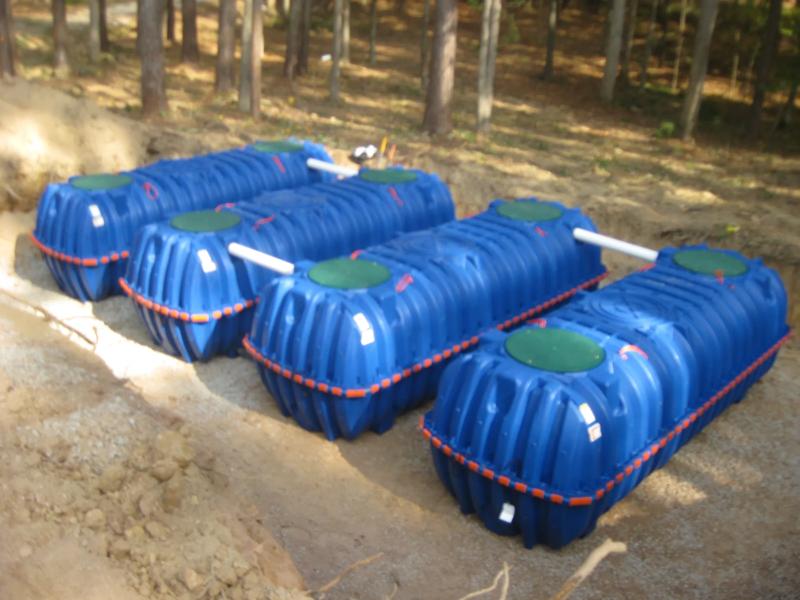
Potable water sources are being exploited worldwide; water tables are dropping at drastic rates, causing wells to run dry, saltwater to intrude inland and leaving an increasing number of people without reliable sources of life-sustaining water. As populations continue to grow and shift, it is imperative for all aspects of the water cycle to be optimized for sustainability.
The Solution: Decentralized Wastewater Treatment and Groundwater Recharge
When adequately designed and installed, a decentralized wastewater treatment system can process large amounts of wastewater through the underlying soils, making it one of the most passive, sustainable forms of aquifer recharge and maintaining a healthy water supply.
While traditionally thought of as a single-home wastewater treatment solution, decentralized systems can be built to treat much greater volumes of wastewater. Community decentralized systems can be designed where individual site conditions limit the use of individual systems. Large systems can also be developed for large-flow commercial and industrial facilities where nearby centralized systems are often exceeding their current capacity. These large publicly- or privately-owned community systems are now being managed in the same manner as centralized systems.
Take a look at a few case studies highlighting the results of increased groundwater recharge through onsite wastewater treatment systems.
California Wastewater Treatment System Meets Sustainability Goals and Recharges the Aquifer
Decentralized Wastewater Recharges Groundwater Supplies and Combats Coastal Saltwater Intrusion
A growing number of cities and towns across the U.S. are turning toward decentralized wastewater treatment for groundwater recharge and to combat prevent saltwater intrusion. The United States Environmental Protection Agency (US EPA) defines aquifer recharge as, “… the enhancement of natural ground water supplies using man-made conveyances such as infiltration basins or injection wells.” As currently defined by the US EPA, aquifer recharge systems are typically used in areas with limited ground or surface water availability.
Decentralized wastewater treatment can provide equal or better protection of public health while outshining centralized wastewater treatment in environmental protection. Decentralized systems provide a low-cost, passive form of both wastewater treatment and aquifer recharge, combatting the declining groundwater table and protecting public health.