
 Product
September 16, 2026 / 3 minute read
How Plastic Drywells Support Stormwater Infrastructure
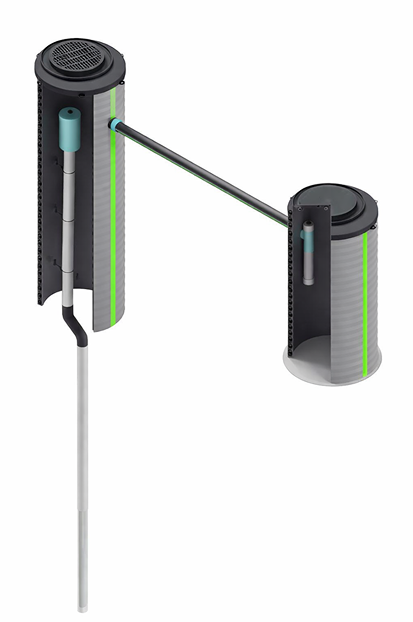
For decades, stormwater infrastructure followed a familiar formula: heavy precast concrete structures installed with heavy machinery and large crews, leading to high labor costs. It was the industry standard for many years, but modern construction looks very different today than it did twenty years ago. Plastic drywells provide a resilient, durable solution that addresses the many challenges that arise from the use of heavy concrete structures in construction.
Contractors are navigating labor shortages, rising equipment and freight costs, tighter schedules and increasingly complex jobsites. Developers are under pressure to complete projects faster and municipalities are balancing long-term performance, maintenance and sustainability goals. Across the industry, there's a growing demand for infrastructure solutions that improve efficiency without sacrificing reliability and plastic drywells address many of those challenges. The goal is simple: provide reliable stormwater solutions that make installation significantly easier and more efficient.
Understanding What a Drywell is and how it Works
Drywells are underground infiltration systems designed to collect, temporarily store and gradually release stormwater runoff into surrounding soils. Commonly used in commercial developments, parking lots, roadways and other developed sites, drywells help reduce surface ponding, manage runoff volume and support groundwater recharge. For contractors, drywell performance is only part of the solution. Installation time, equipment requirements and crew productivity all play a critical role in keeping projects on schedule and on budget.
Stay Ahead of the Curve with Plastic
Lightweight and modular, there are multiple reasons why plastic drywells are where the future is heading. With less heavy equipment comes a number of benefits including increased safety, smaller crews and easier transportation and staging. Not only that, but there’s more flexibility when site conditions change, faster installation times and lower total installed costs. In today's construction environment, these efficiencies have a significant impact on project schedules and the ability to hit projected deadlines.
It Goes Beyond Material Costs
Historically, stormwater infrastructure decisions were often based primarily on material cost. Today, more project teams are evaluating total installed costs like:
- Freight and transportation
- Equipment mobilization
- Labor requirements
- Site accessibility
- Traffic disruption
- Installation timelines
- Long-term maintenance
As labor and equipment costs continue to rise, installation efficiency has become a major factor in infrastructure decisions. A system that installs faster and requires less equipment can generate savings that extend far beyond the initial purchase price.
Fewer Construction Constraints
Limited space and access on commercial jobsites can make large structures difficult to install. Plastic drywells provide greater flexibility because they are easier to transport, maneuver and position onsite. Contractors can adapt more quickly to changing field conditions without the disruptions often associated with heavy infrastructure allowing projects to stay on schedule while reducing complexity during construction.
Durability for Long-term Performance
While installation efficiency is important, long-term performance remains essential for any underground stormwater system. Routine exposure of stormwater infrastructure to challenging conditions like freeze-thaw cycles, acidic soils and pollutants like chlorides and road salts it’s imperative to have strong, durable properties to ensure long-term structural integrity. Modern engineered thermoplastics are specifically designed for these environments. Unlike traditional materials that may be susceptible to corrosion, spalling or deterioration over time, plastic systems naturally resist many of these common issues.
As engineers and municipalities increasingly evaluate lifecycle performance, material durability continues to play a large role in stormwater design decisions.
The Future of Stormwater Infrastructure
Like every aspect of construction, stormwater management is always evolving. As environmental conditions change and job site requirements evolve the industry is prioritizing solutions to increase installation efficiency, job site safety, flexibility and long-term performance. Plastic drywells represent a broader, future-focused shift toward smarter, more adaptable infrastructure built for the realities of modern construction.