
 Water
Water
June 16, 2026 / 5 minute read
Look Toward the Future: Water is Our Most Precious Resource
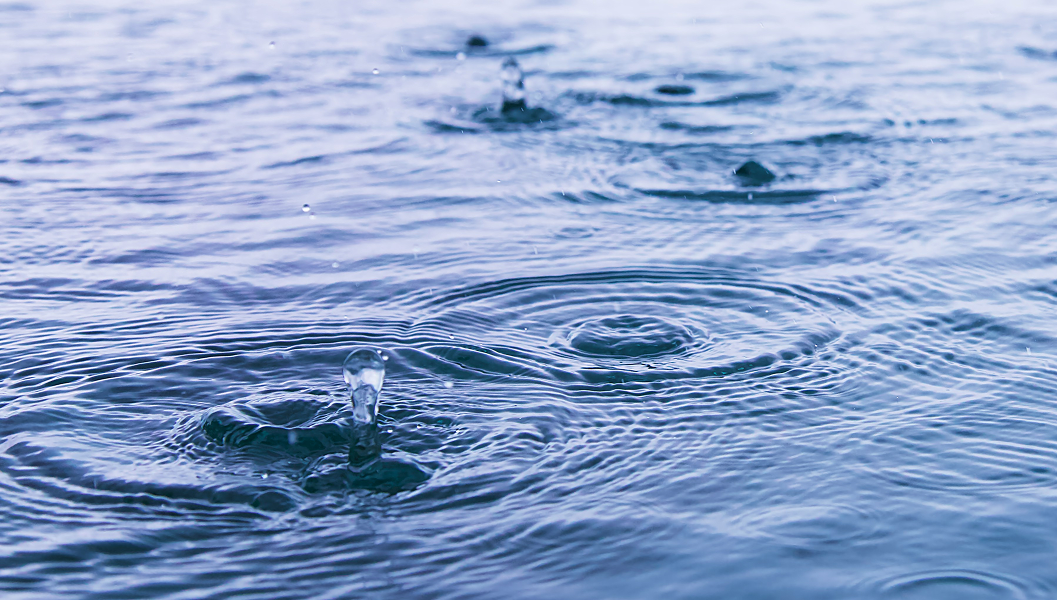
As communities continue to grow and urban development expands, managing stormwater and rainwater effectively has become increasingly important. The growing water demands of large-scale data centers and commercial developments for applications such as irrigation and cooling are creating new and complex challenges for water infrastructure. Water harvesting, a key component of Green Infrastructure, offers a sustainable approach to managing these demands by capturing, storing and reusing water that would otherwise be lost as runoff.
In a world where just one inch of rain falling on a 1,000-square-foot roof can produce nearly 600 gallons of water, why let it go to waste?
What is Green Infrastructure?
Green infrastructure complements conventional water management systems and, in some applications, can serve as an alternative approach to traditional stormwater management. Designed to mimic natural hydrology, green infrastructure captures, infiltrates, filters, stores and reuses water runoff close to its source. By managing rainwater and stormwater naturally, green infrastructure improves water quality, reduces runoff volume and helps restore the natural water cycle.
Why Communities Are Investing in Green Infrastructure
Green infrastructure delivers a wide range of benefits, including:
- Environmental protection
- Improved public health
- Energy savings
- Economic development opportunities
- Increased community resiliency
Several green infrastructure practices are commonly used to manage water effectively, including water harvesting, rain gardens, downspout disconnection and pervious pavement systems.
Rain and Stormwater Harvesting: Turning Rain Into Results
Water harvesting is the collection and storage of rainwater and stormwater for future use rather than allowing it to become runoff. Stormwater typically travels across parking lots and roadways, collecting sediment and pollutants before it's captured. Rainwater is collected directly from rooftops before it comes into contact with many common pollutants. Both approaches feed into storage systems where water can be reused for various applications.
Benefits of Rainwater and Stormwater Harvesting
- Cost-effective water management solution
- Conserves potable water supplies
- Provides a sustainable source of water for site specific applications
- Reduces soil erosion and pollution in nearby waterways
- Simple to install, operate and maintain
Water Harvesting State Regulations: Virginia Leading the Way
When it comes to water harvesting, Virginia consistently leads in regulatory acceptance. The Virginia Department of Health finalized regulations in October 2021 governing potable rainwater harvesting systems. These guidelines establish requirements for the safe collection and reuse of rainwater while promoting sustainable water practices and protecting public health. Compliance with ASSE standards 2110, 21120 and 21130 are mandatory under the new regulations. As interest in water reuse continues to grow, other states may look to similar regulatory frameworks when developing their own rainwater harvesting guidance.
Rain Gardens and Bioretention Systems
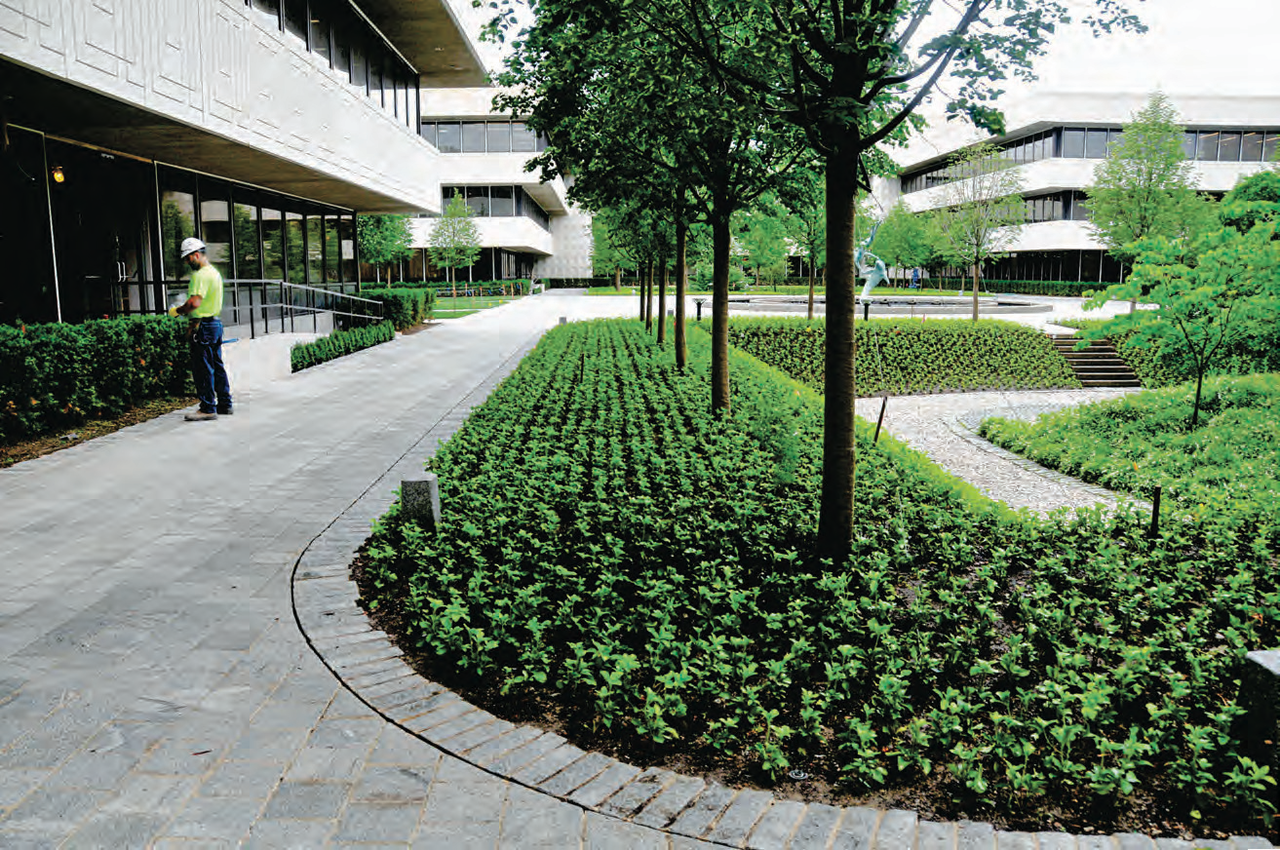
Rain gardens are shallow, landscaped depressions planted with suitable vegetation that collect and manage stormwater runoff from impervious surfaces such as roofs, driveways and parking lots. These systems temporarily store runoff and allow it to infiltrate into the ground naturally.
Benefits of Rain Gardens and Bioretention Systems
- Removal of pollutants including Total Suspended Solids (TSS), phosphorus, metals, nitrogen and hydrocarbons
- Groundwater recharge
- No standing water when properly designed
- Preservation of the site's natural hydrologic cycle
- Attractive landscaping and efficient land use
- Increased storage capacity when combined with underground chamber systems
- Enhanced stormwater management through emergency overflow capabilities
Modern underground storage systems, such as ADS StormTech® Stormwater Chamber Systems, can significantly increase the storage capacity beneath rain gardens, making them effective even in areas with low soil permeability.
Redirecting Downspouts for Better Water Management
Downspouts are pipes that carry rainwater from rooftops to the ground. Instead of directing water into storm sewer systems, downspouts can be redirected to detention/infiltration systems, rain gardens or rainwater harvesting systems. By redirecting downspouts you can reduce the volume of water entering municipal drainage systems, replenish groundwater supplies, filter sediment before it reaches streams and rivers or hold it on site for reuse.
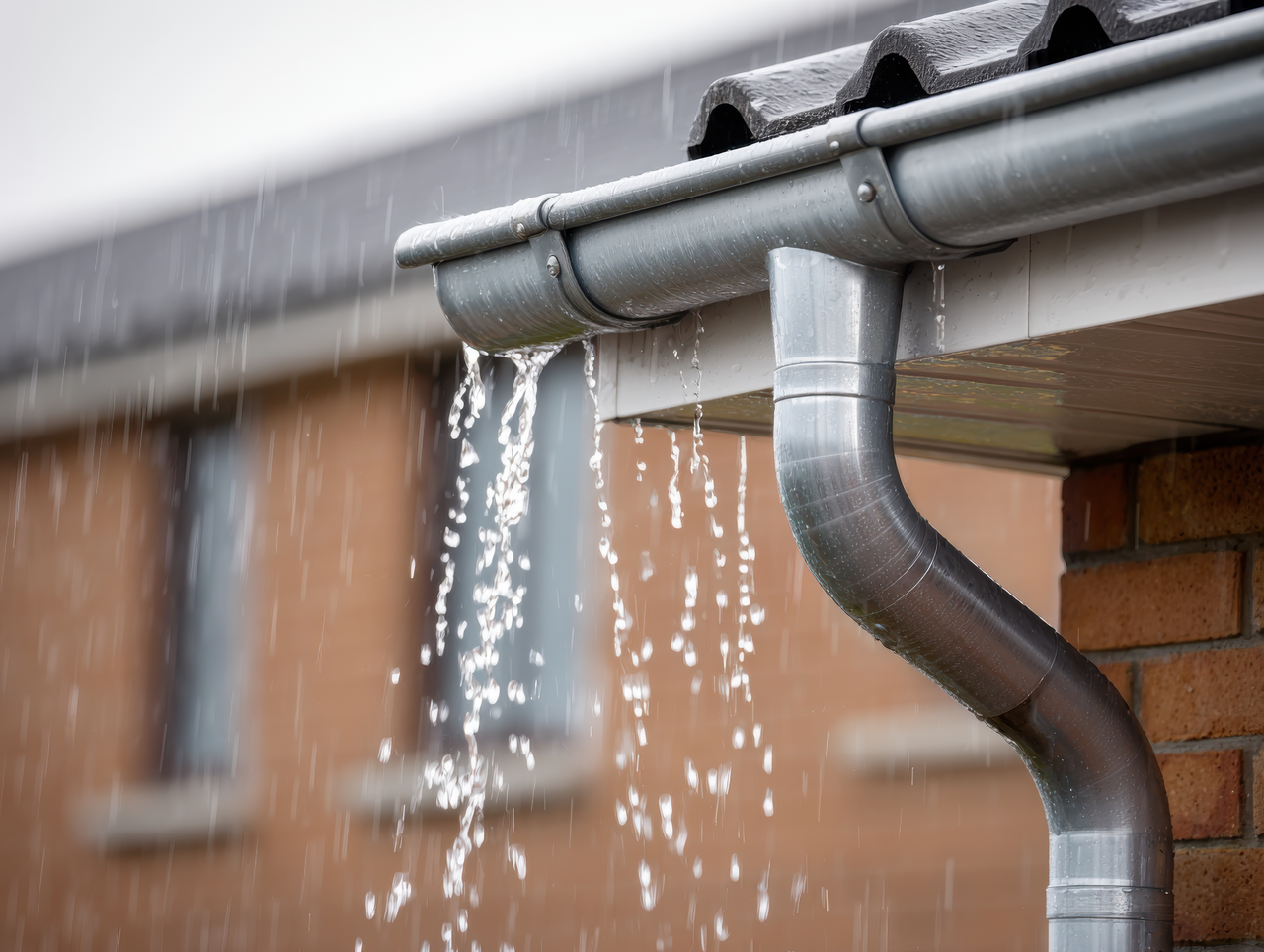
The following examples highlight underground retention and detention systems that integrate effectively with roof downspouts to capture, manage and treat stormwater runoff. These systems reduce surface flooding, improve water quality, support efficient stormwater management and easily integrate with water harvesting and reuse applications.
Why Isolator Row PLUS Matters
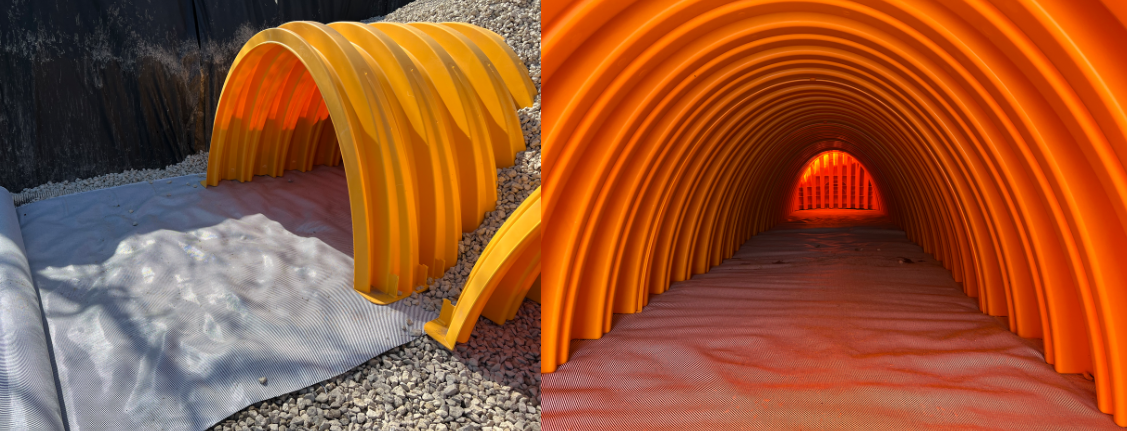
Stormwater runoff often carries sediment and pollutants that can degrade water quality. The ADS StormTech® Isolator® Row Plus is a row of StormTech chambers with a flared end ramp (Flamp®) that sits on top of one layer of ADS PLUS fabric. Isolator Row PLUS chamber and fabric provides enhanced suspended solids and pollutant removal while providing surface area for infiltration and runoff reduction. The Flamp® allows for easier cleaning and maintenance.
Benefits of ADS StormTech Isolator Row Plus
- Improves stormwater quality
- Achieves up to 80% removal efficiency for Total Suspended Solids (TSS)
- Meets many municipal stormwater treatment requirements
- Simplifies maintenance and sediment management
By capturing pollutants at the source, Isolator Row PLUS helps protect local waterways while improving the overall performance of stormwater management systems.
Creating Sustainable Communities Through Green Infrastructure
Green infrastructure practices work together to create more resilient and sustainable communities. Whether through harvesting rainwater or stormwater, installing rain gardens, redirecting downspouts, utilizing pervious pavement or improving water quality treatment, these solutions reduce environmental impacts while providing long-term economic, social and environmental benefits.
As regulations evolve and communities place greater emphasis on sustainability, green infrastructure will continue to play a vital role in protecting water resources, improving water quality and building healthier environments for future generations.