PRODUCTS USED
Extensive guest facilities include campsites, cabins, and duplexes, restrooms and shower houses, and a 300-slip marina with a 220-seat snack bar, and watercraft pump out station. A recreational vehicle (RV) dump station is also provided.
The existing wastewater treatment system was more than 15 years old and consisted of a single cell lagoon and slow-rate land application system. There was also an inactive lagoon on the site. With a total design capacity of less than 150 people, the system was outdated and not able to accommodate future needs. The discovery of karst activity near the existing site caused the Division of State Parks to initiate the design and construction of a new wastewater treatment facilities and close the old lagoons.
Design flows averaging 6,300 GPD with peak daily flows near 12,000 GPD during seasonal operations, karst activity at the site, and stringent effluent limitations prior to discharge imposed by the Missouri Department of Natural Resources (MDNR) limited design options. The initial design included a new facultative lagoon and land application system, however a sinkhole opened in the bottom of the new lagoon during construction and the MDNR halted lagoon completion.
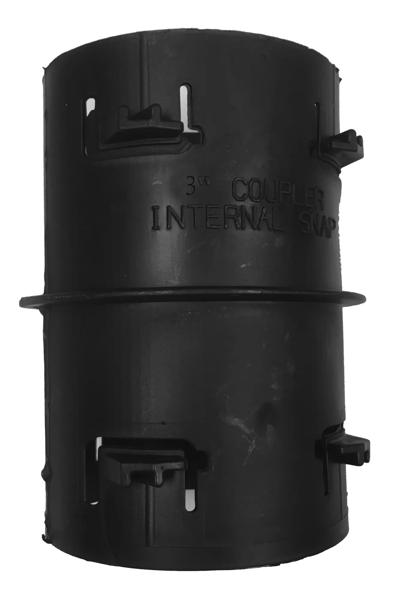
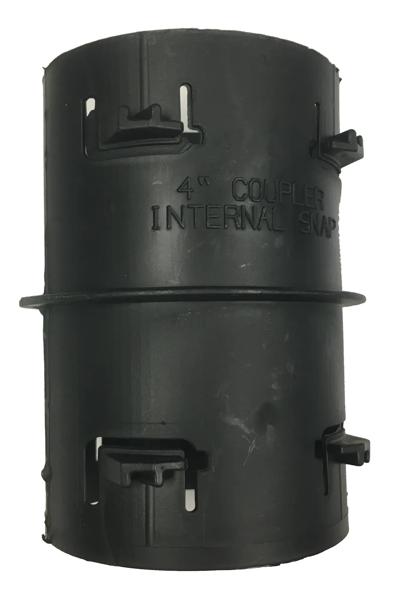
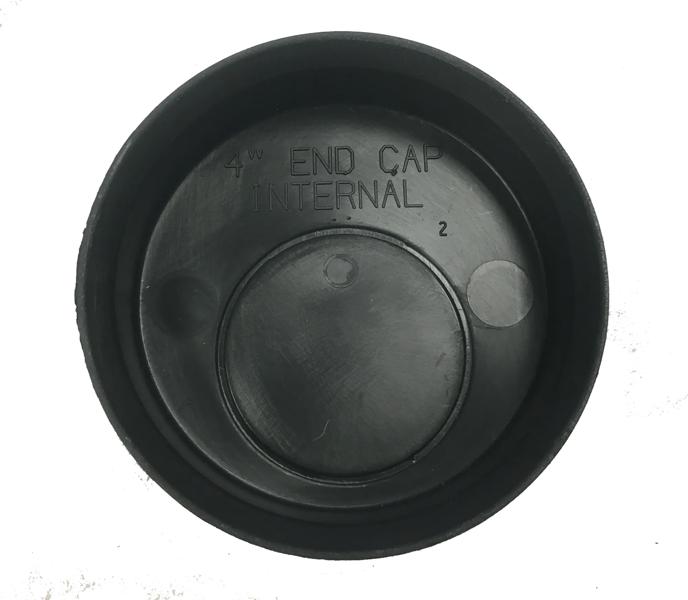
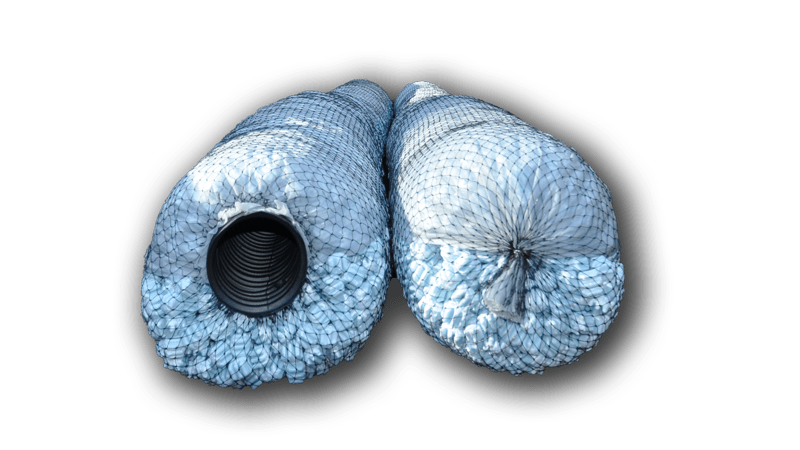
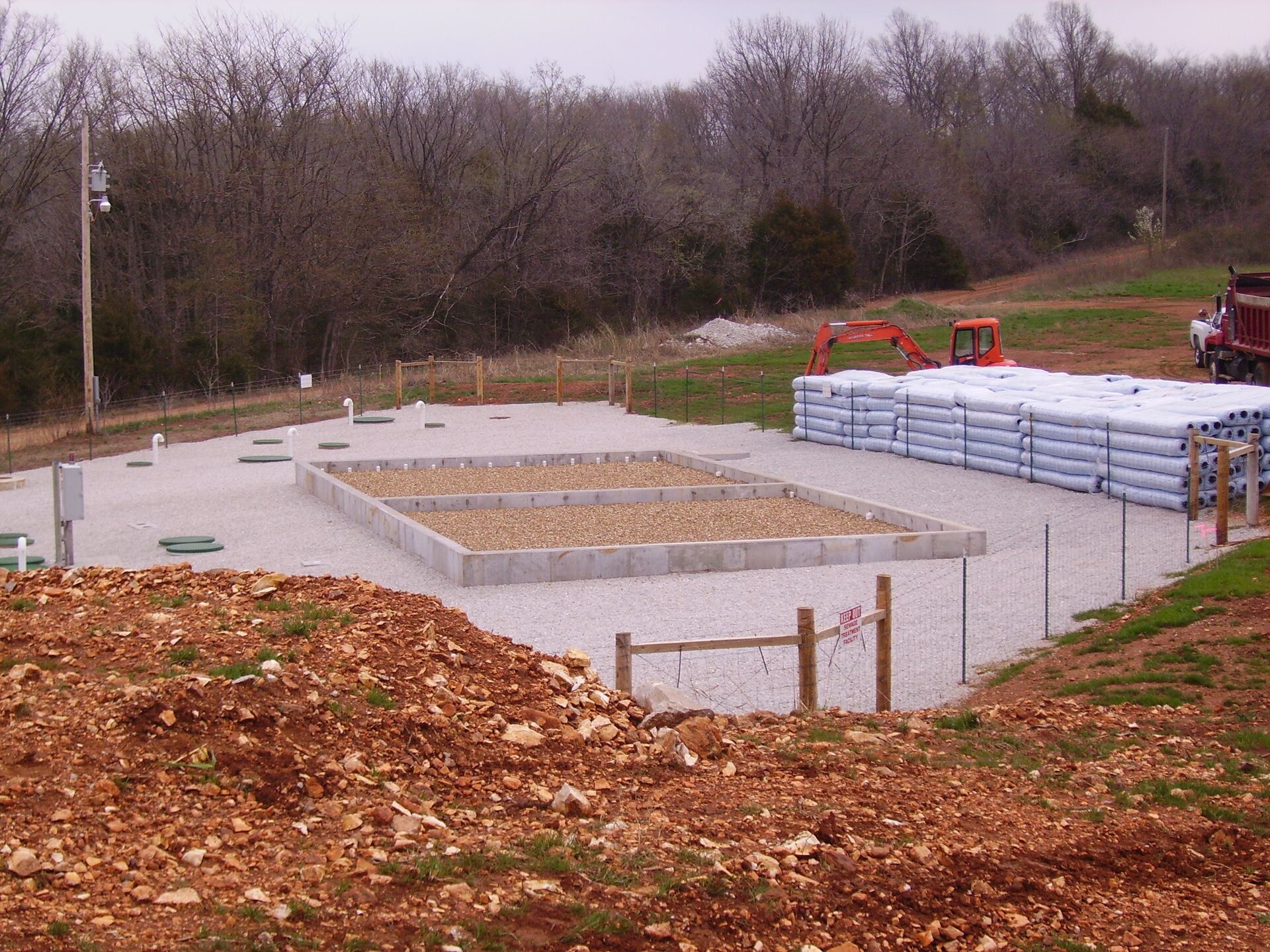
The revised design includes a recirculating pea gravel filter system preceded by a septic tank to achieve denitrification followed by ultraviolet light disinfection and subsurface disposal of the treated effluent via a Low Pressure Pipe (LPP) system. The LPP system includes 9,000 feet of EZflow by Infiltrator geosynthetic aggregate bundles. The recirculating pea gravel filter system and LPP subsurface dispersion system were selected to achieve a high degree of treatment to protect shallow groundwater levels and avoid any surface discharge of treated wastewater effluent directly to Stockton Lake. Due to the size of the system, each field was divided into multiple zones to minimize dosing pump size with distribution laterals within each field divided into six equally sized zones dosed sequentially. A repeat cycle time is included with high- and low-level overrides to control pump cycles.