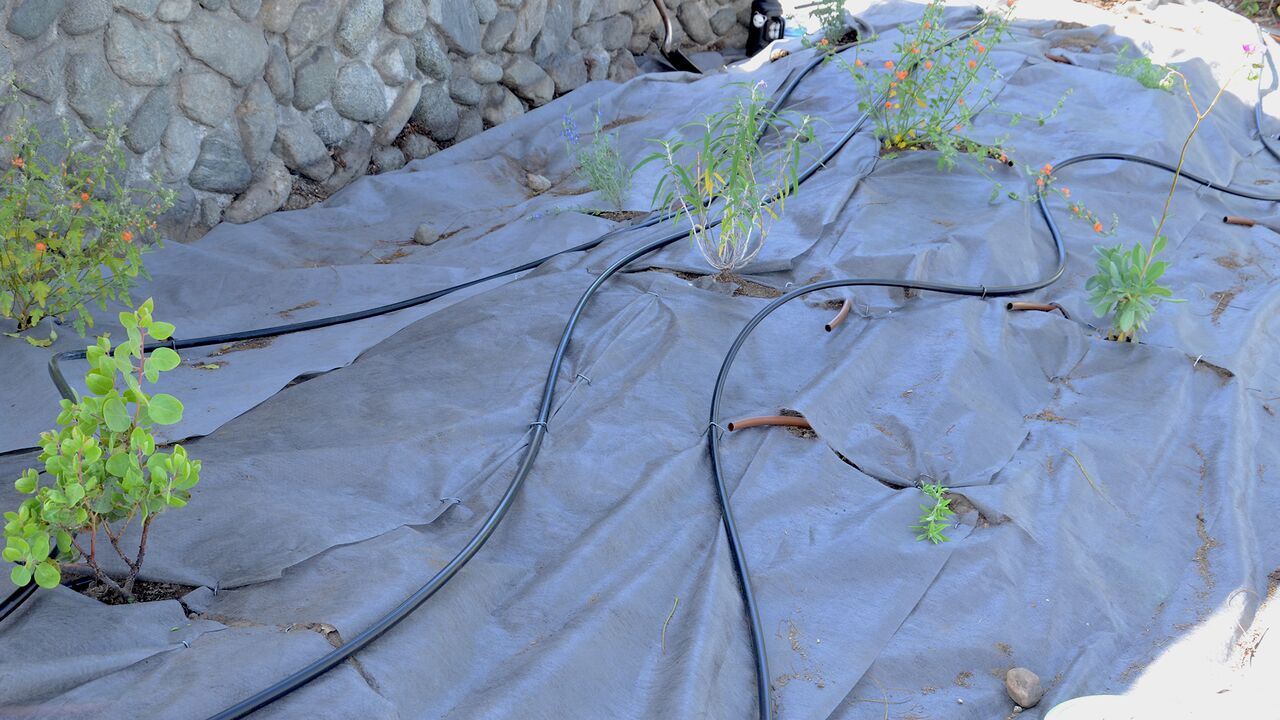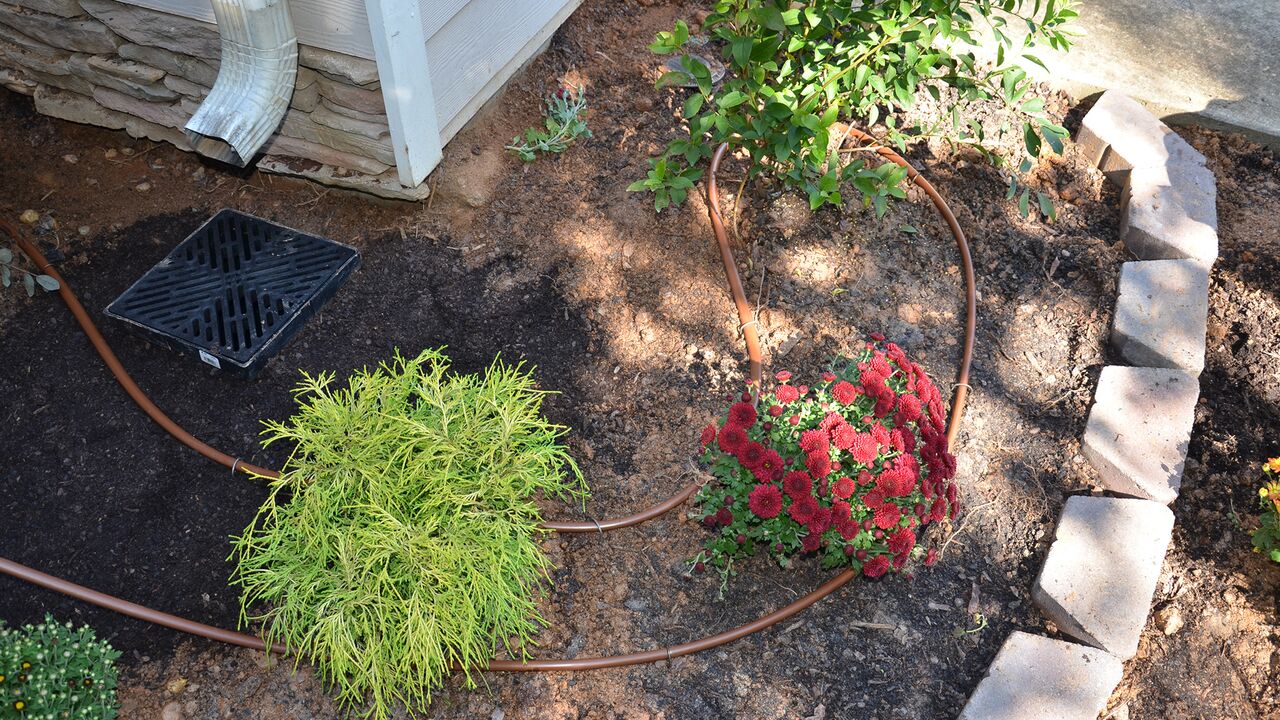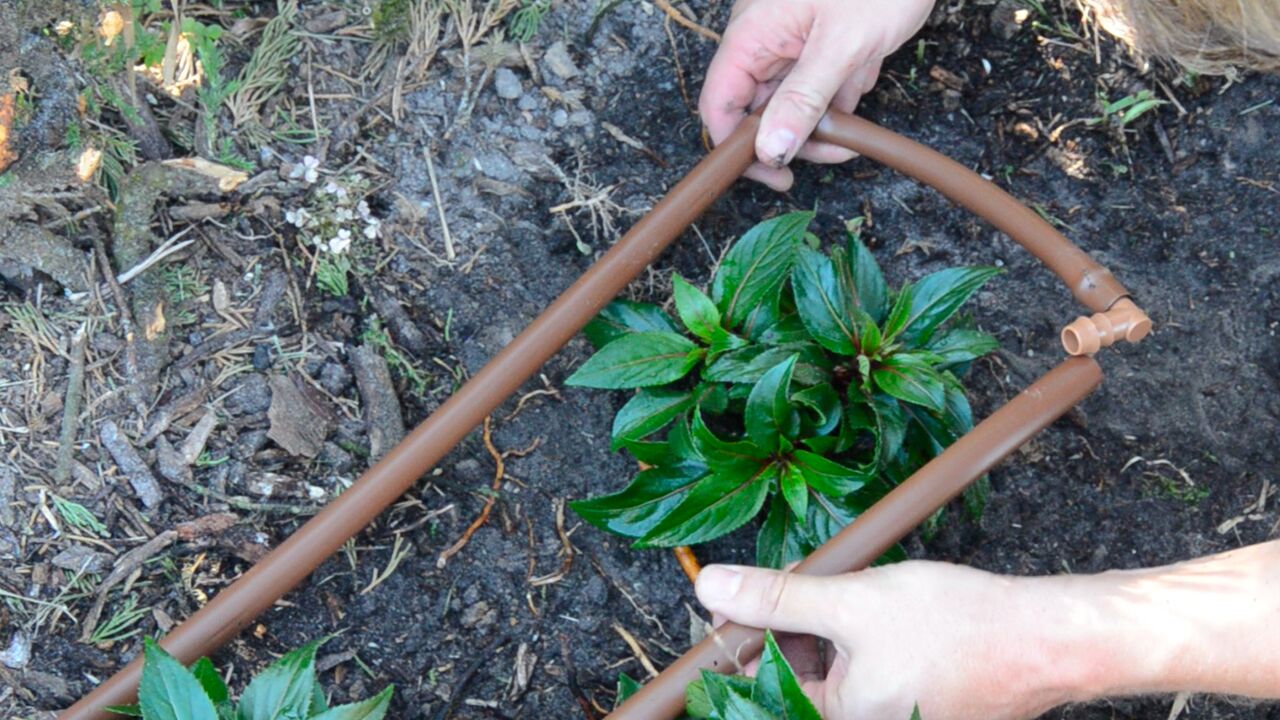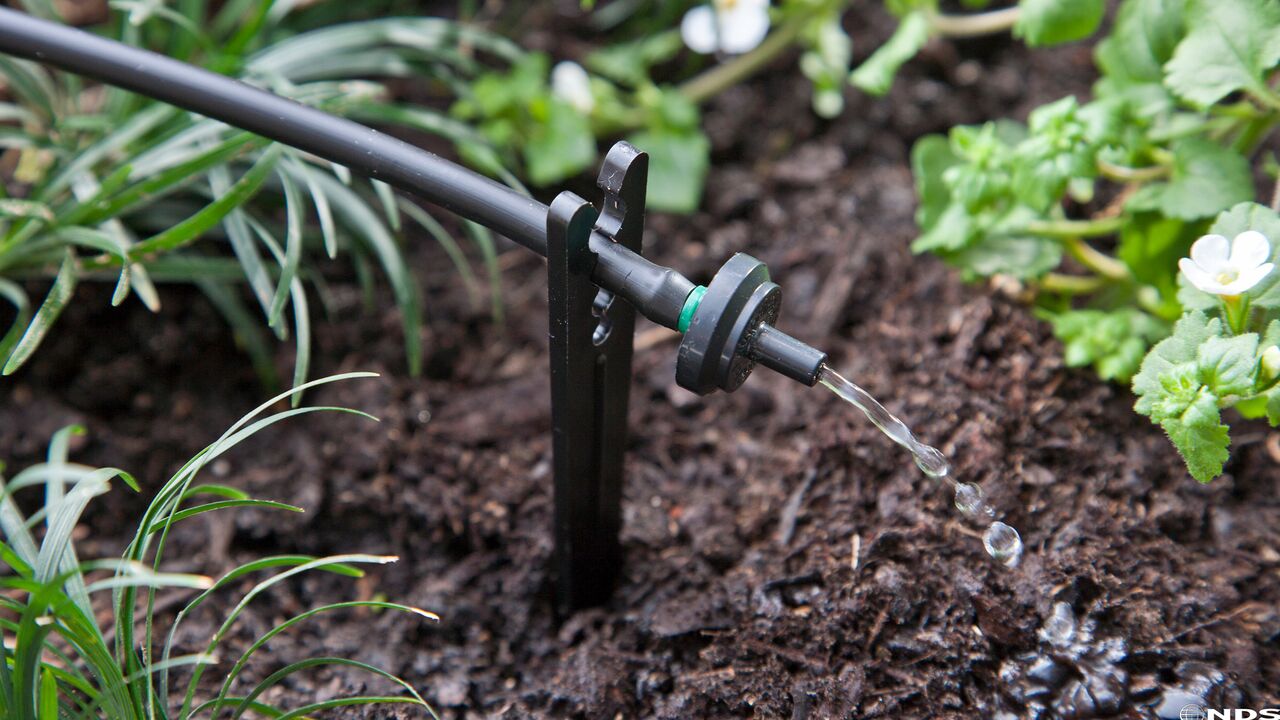
Drip irrigation waters plants efficiently, reducing water usage by up to 70% compared to conventional sprinkler irrigation. Water is precisely delivered to plants, providing hydration for optimal growth and overall health.
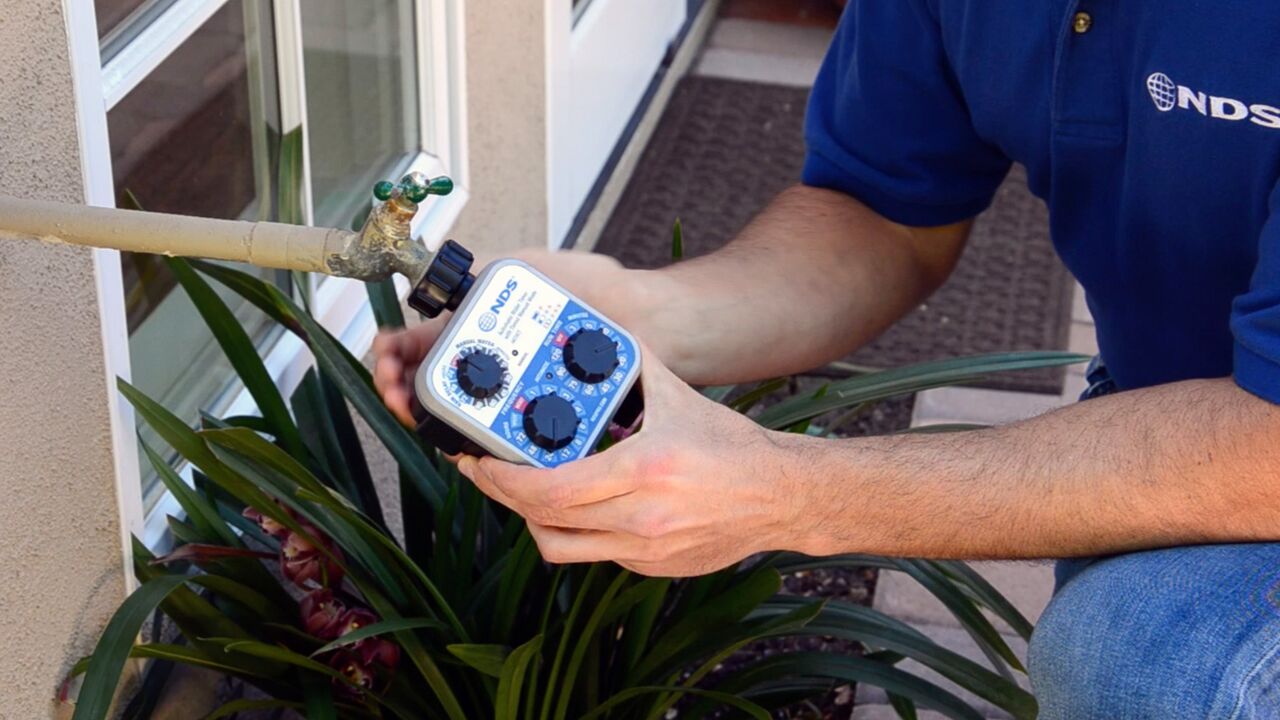
The point of connection in drip irrigation is where components are connected to the water source or water supply. Components can connect to a hose bibb or outdoor faucet, or even a sprinkler head when converting a sprinkler to a drip irrigation system. It is important to know the order the components are connected.
Transport water to the area to be irrigated with tubing. Available in a range of sizes from 1/8 in. (0.125 in. ID X 0.185 in. OD) to 1 in. (1.060 in. ID X 1.200 in. OD).
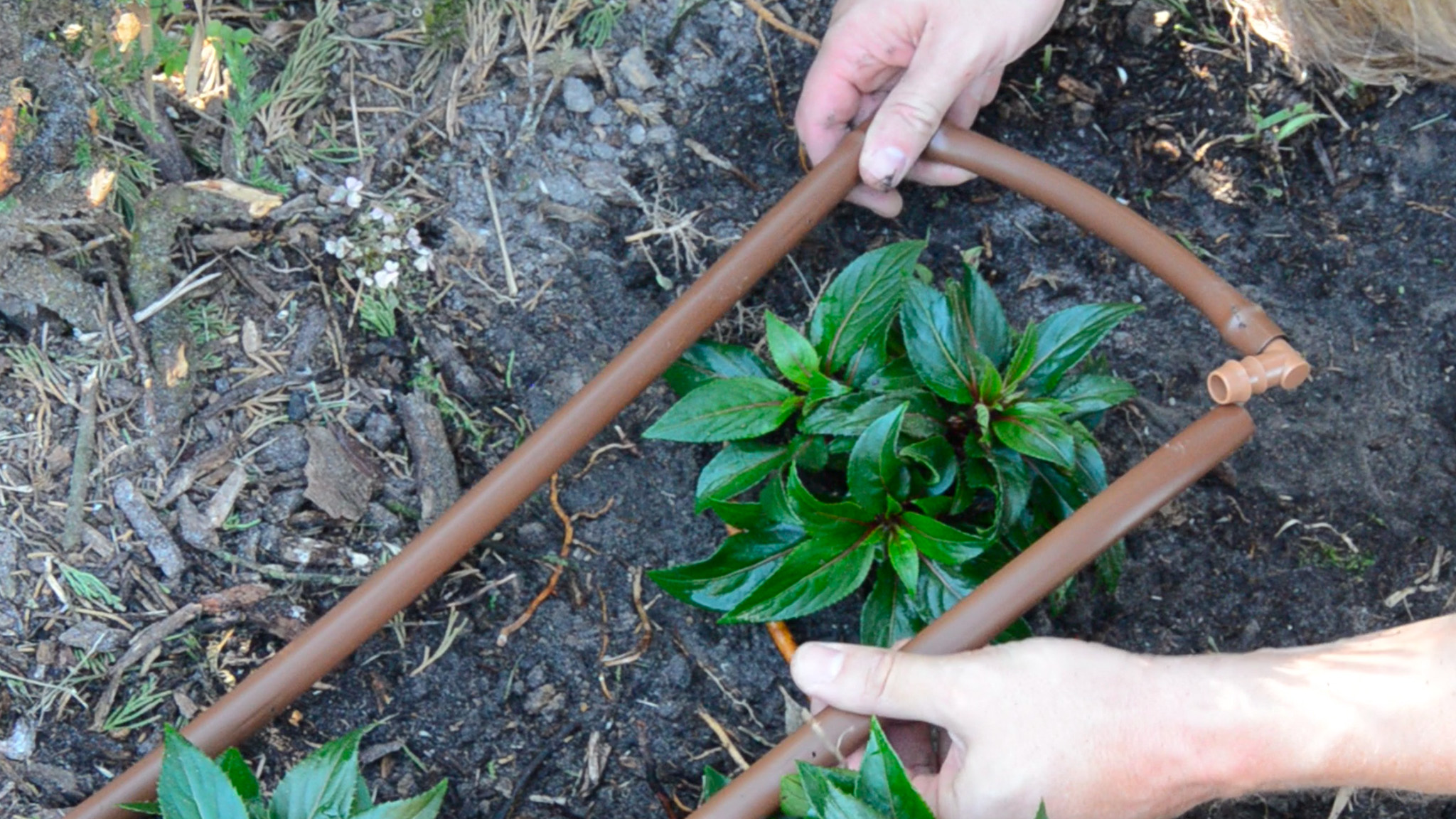
Water is delivered along the entire line with the dripline. Also known as a dripperline, this tubing features built-in emitters evenly spaced apart. Available with pressure compensating and non-pressure compensating emitters
Fittings connect sections of tubing together and are used to set up the layout of the drip system. Connection types include barbed or insert, compression, socket/threaded, and Smart Loc™ Universal fittings which accommodate multiple tubing sizes
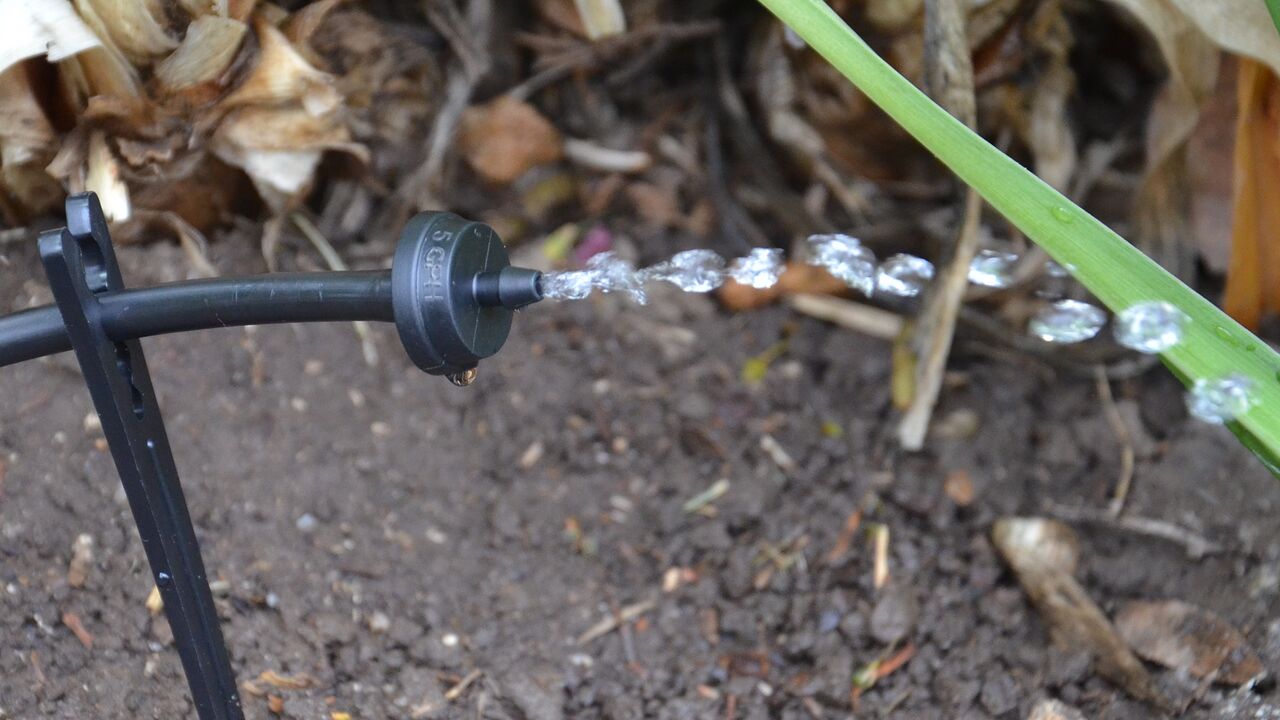
Emitters deliver precise, even watering right to your plant’s root zone. They can be attached to the end of a feeder line branched off the supply line and additionally raised with a stake to keep off dirt, or inserted into a punched-out hole in tubing to water plants along the run.
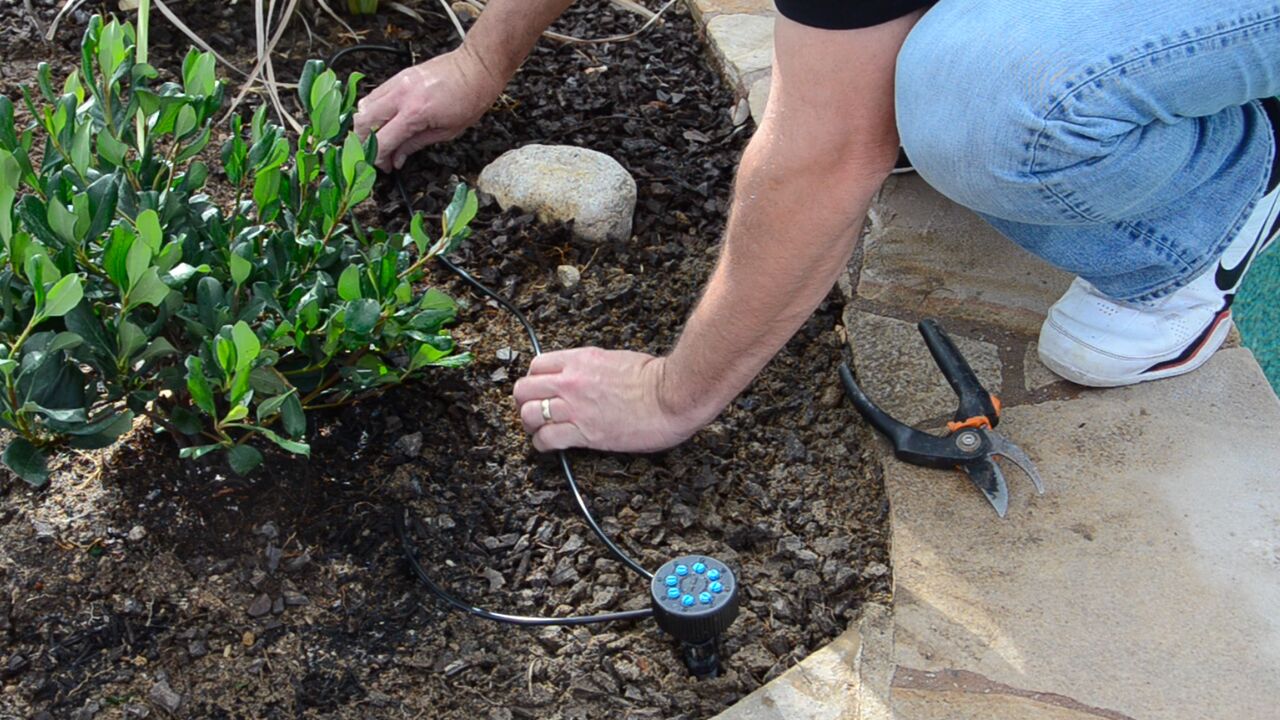
Multioutlet emitters connect to an underground sprinkler system, converting it into a drip irrigation system. Outlets connect to tubing, which can be positioned to deliver water precisely to each plant. Options include pressure compensating (4 outlets) or non-pressure compensating (4 or 8 outlets).
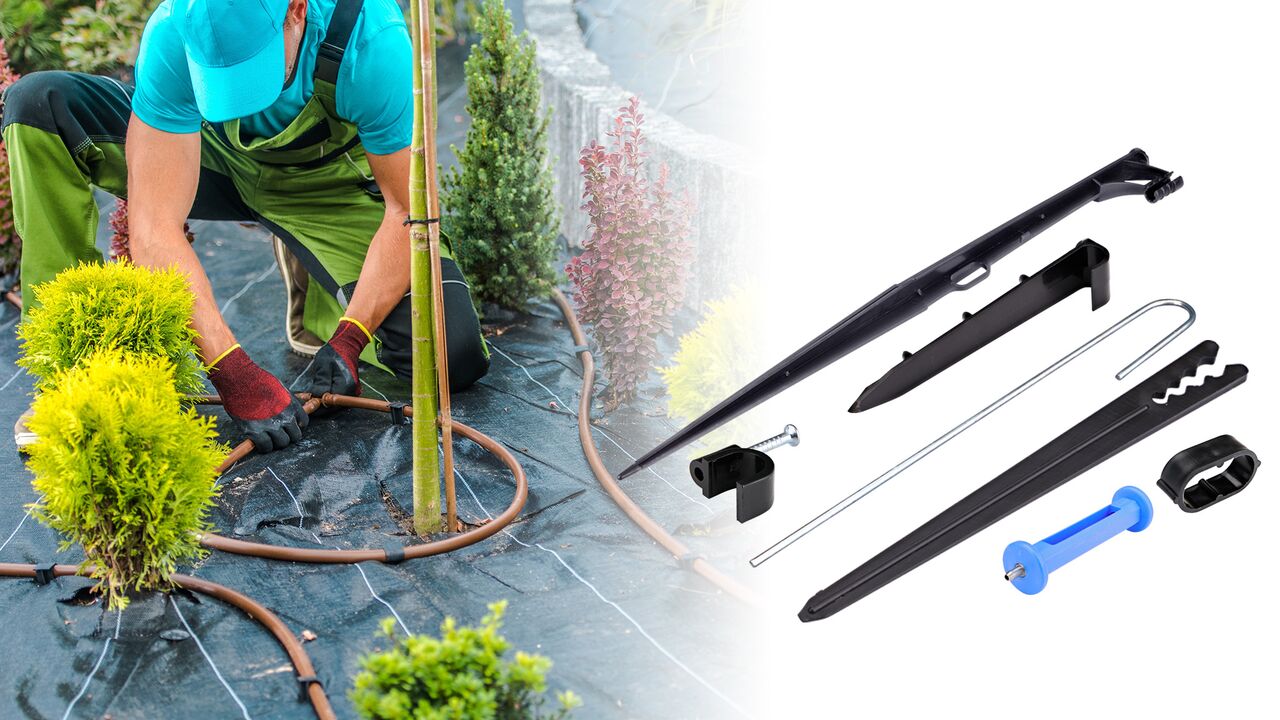
Irrigation accessories support and enhance the performance of the drip irrigation system. Common components include risers, stakes, sod staples, tubing accessories, and valves.