
Septic Tanks
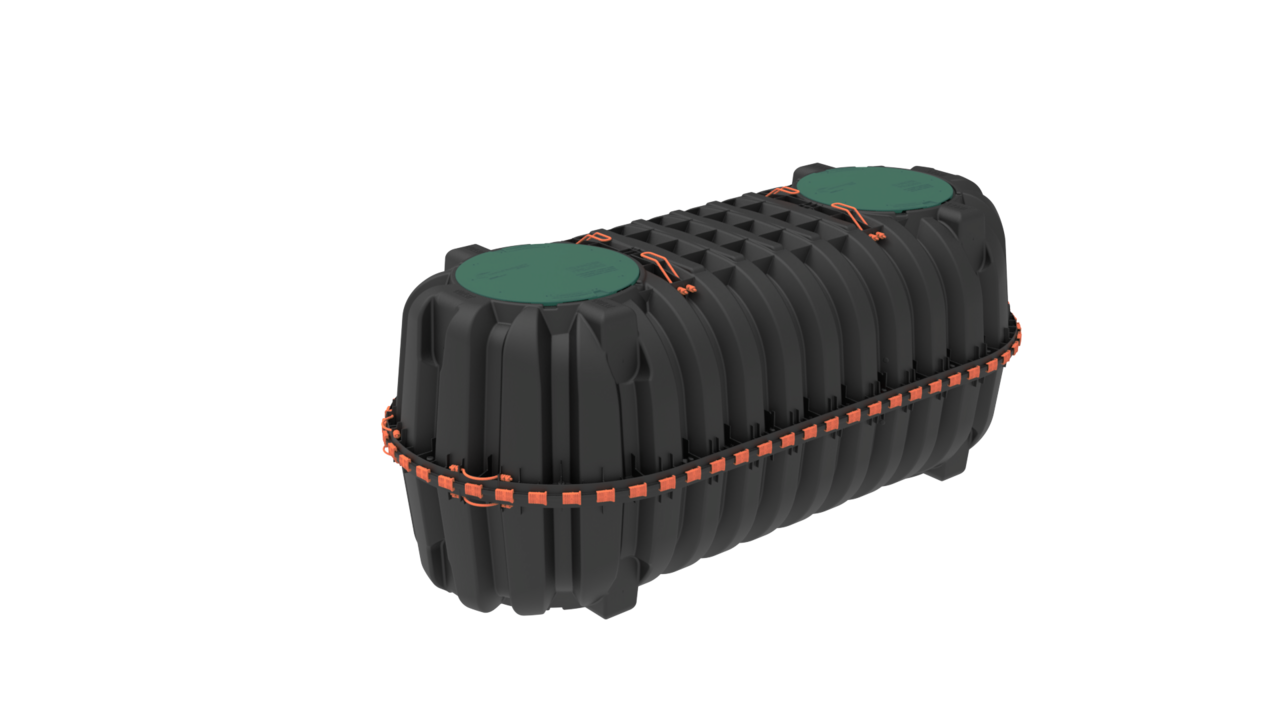
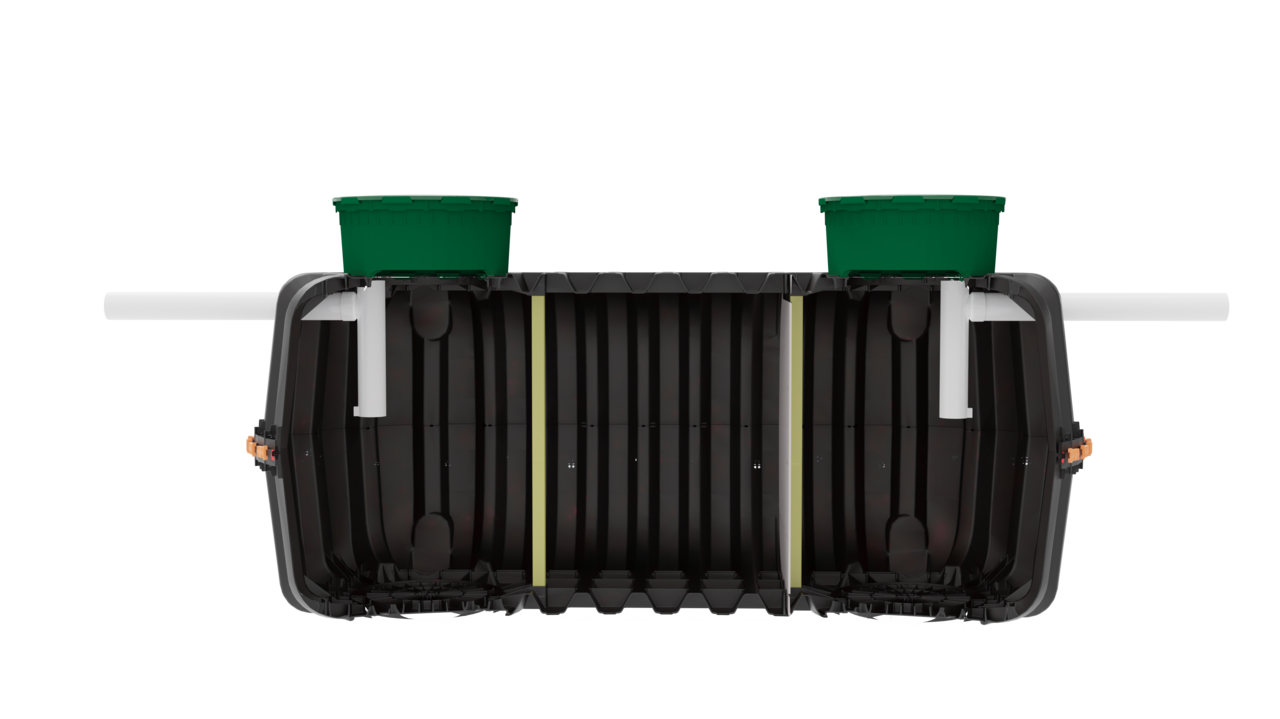
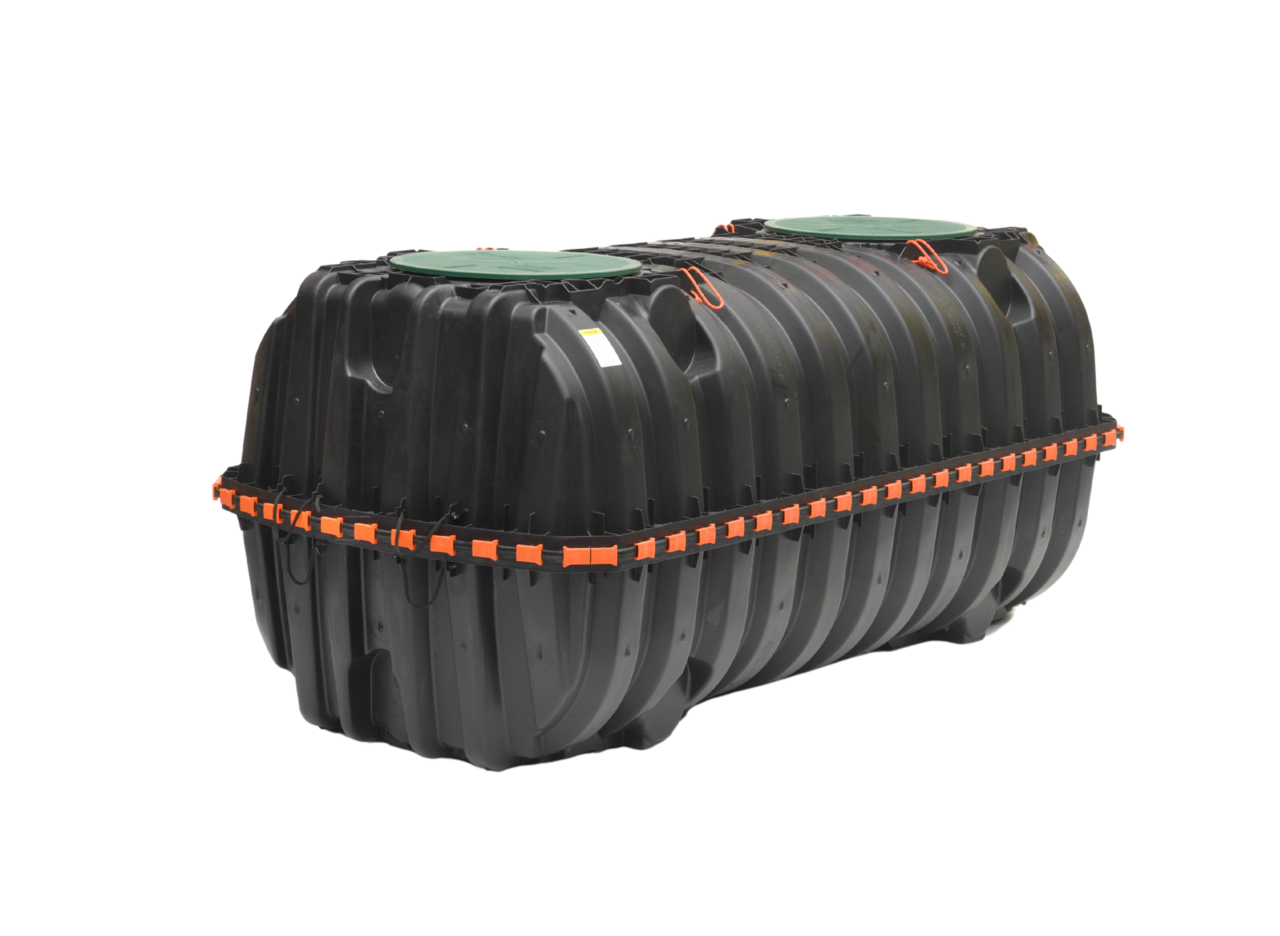
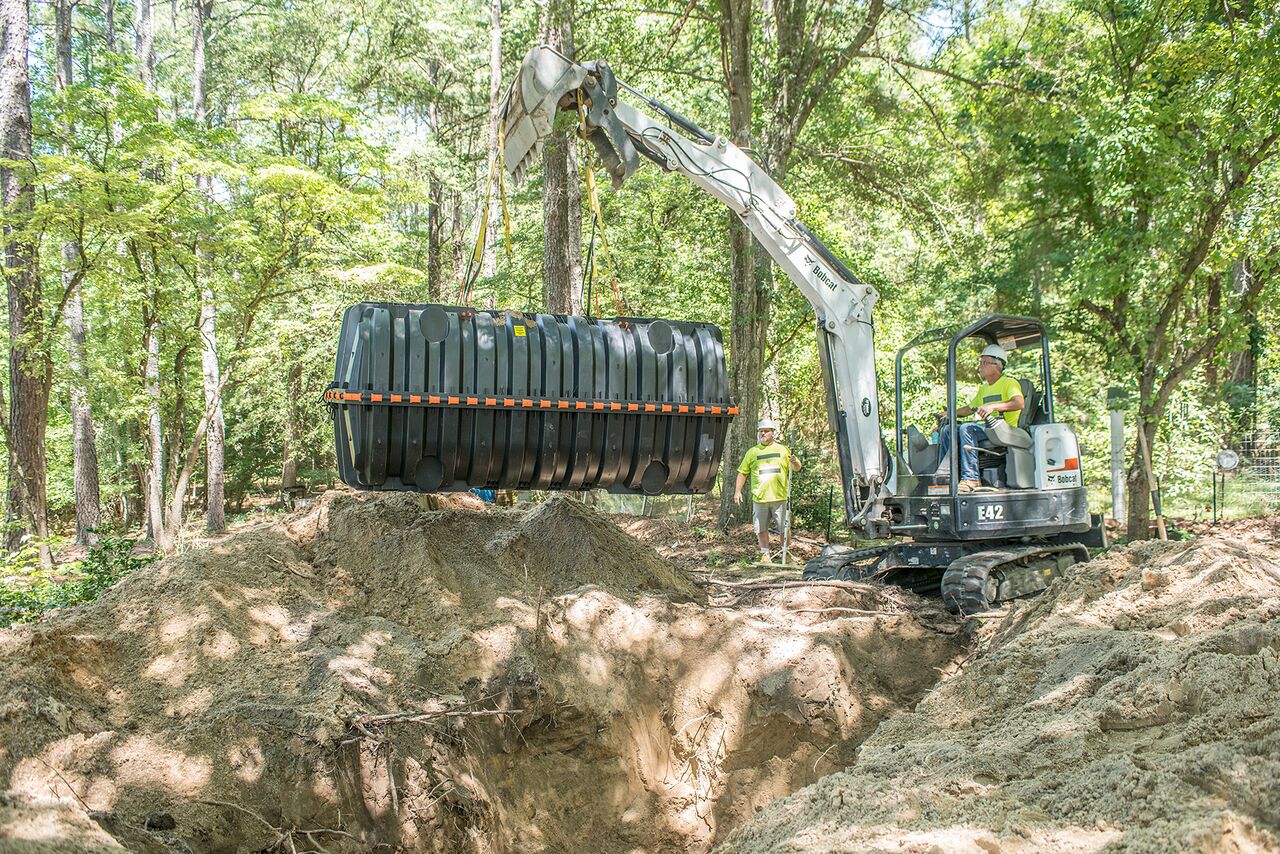
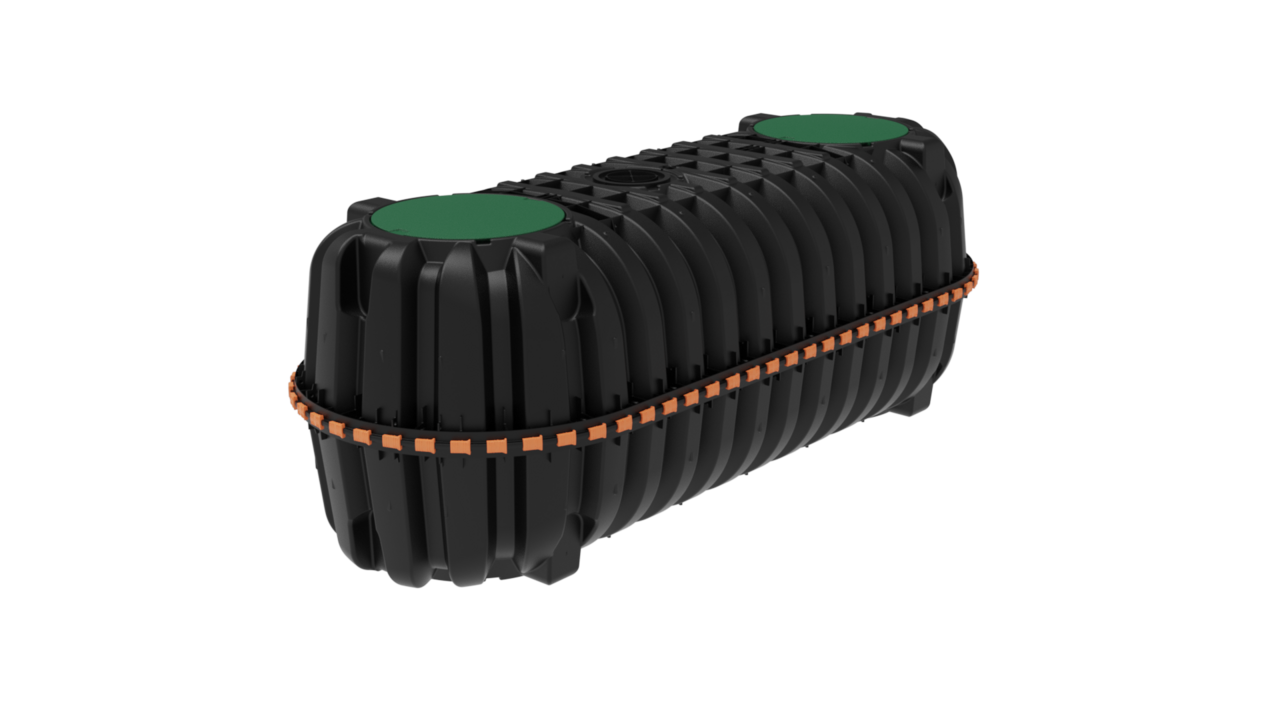
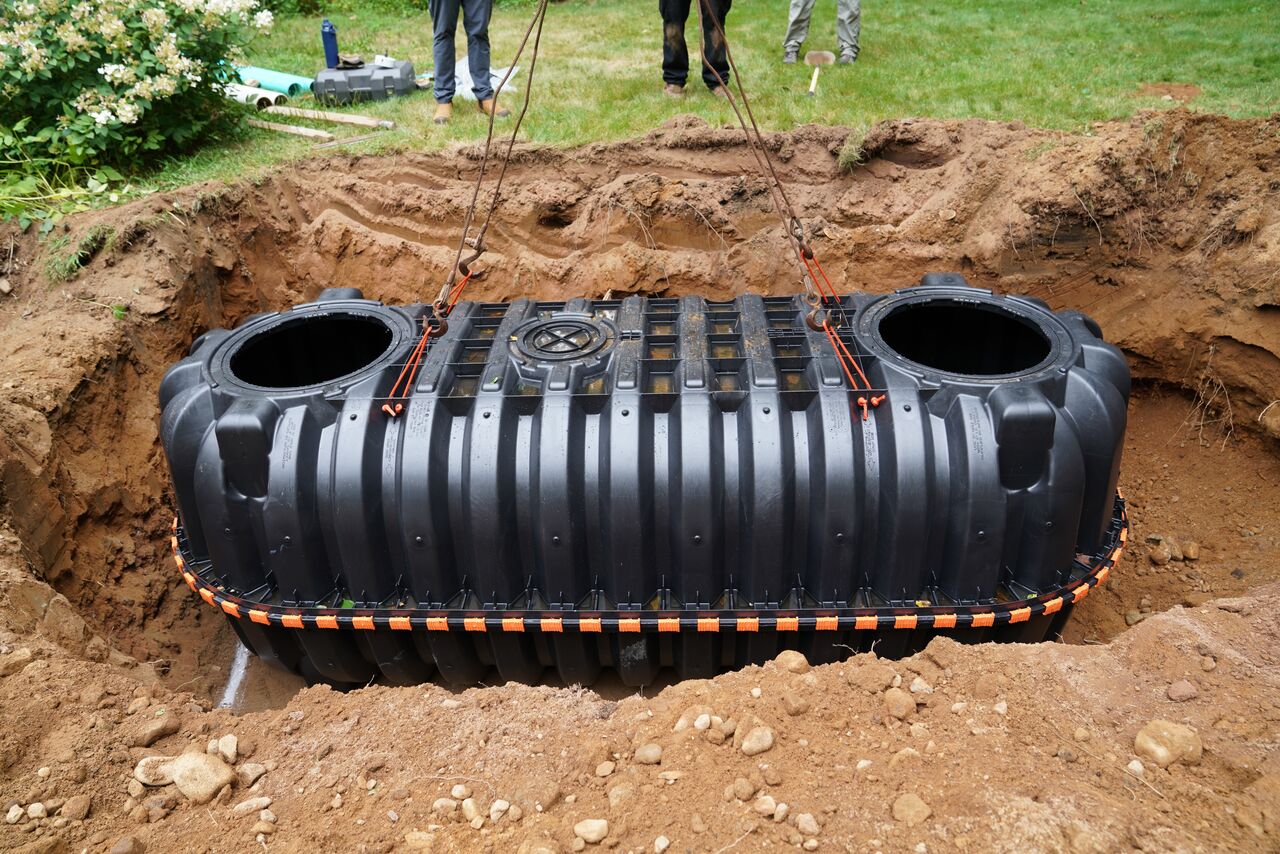
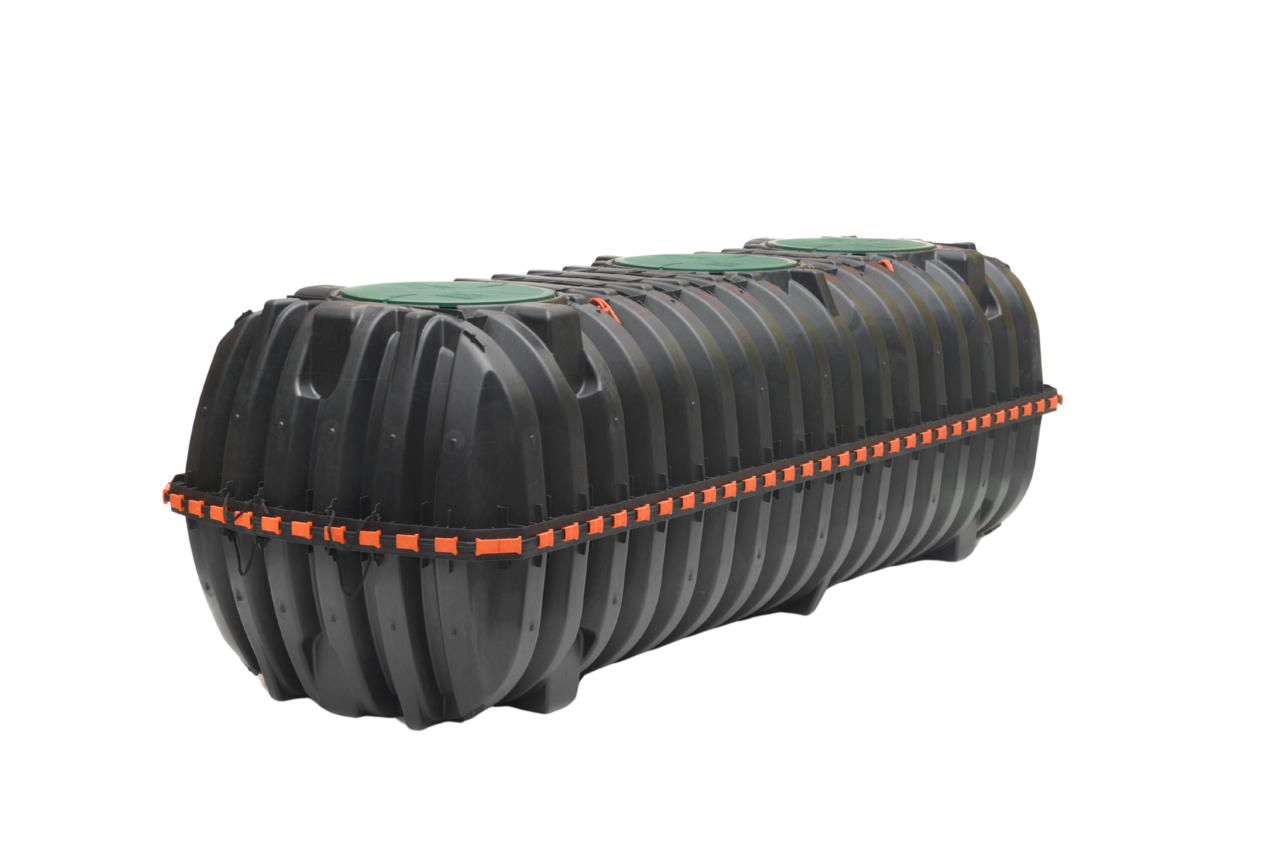
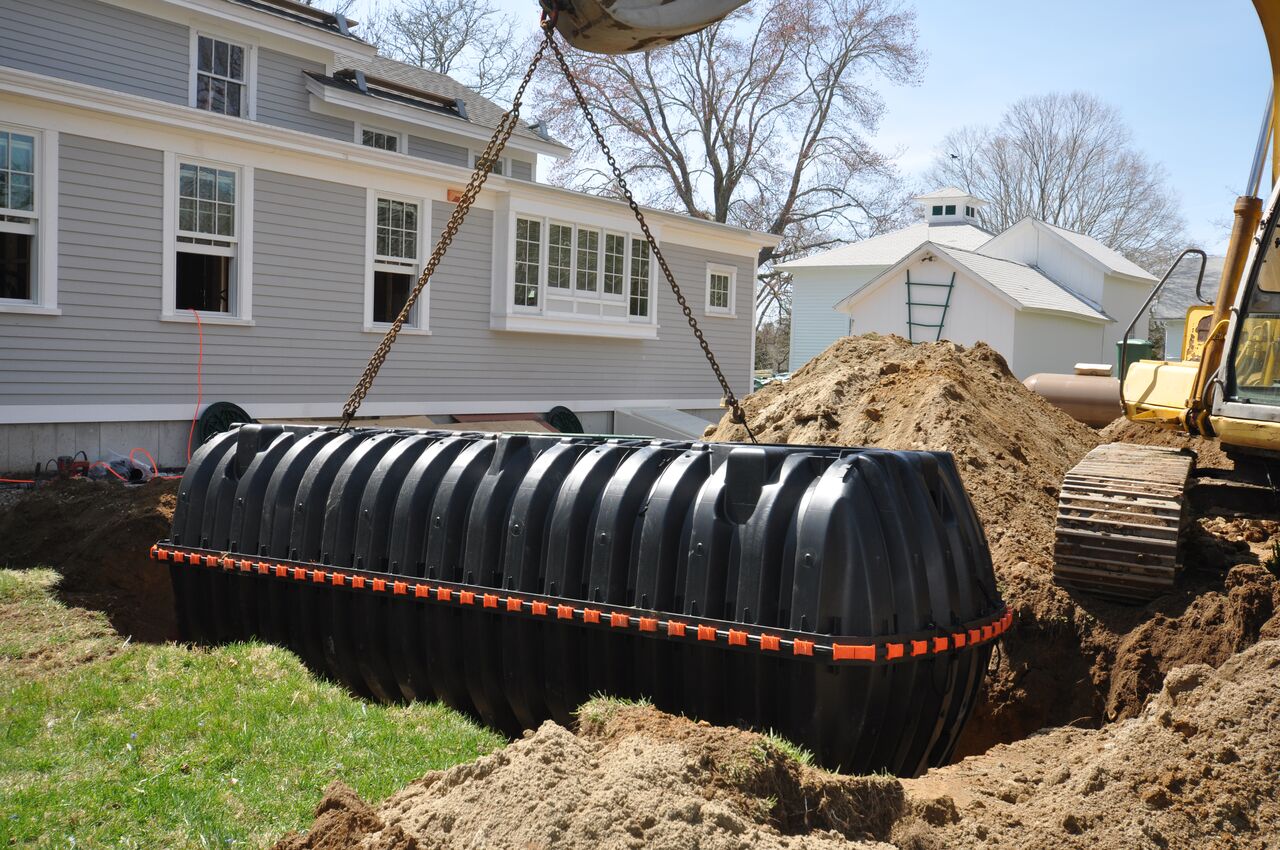
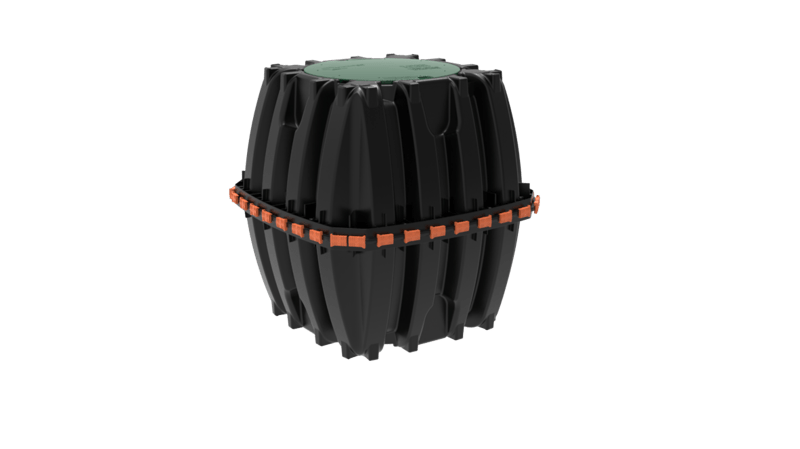
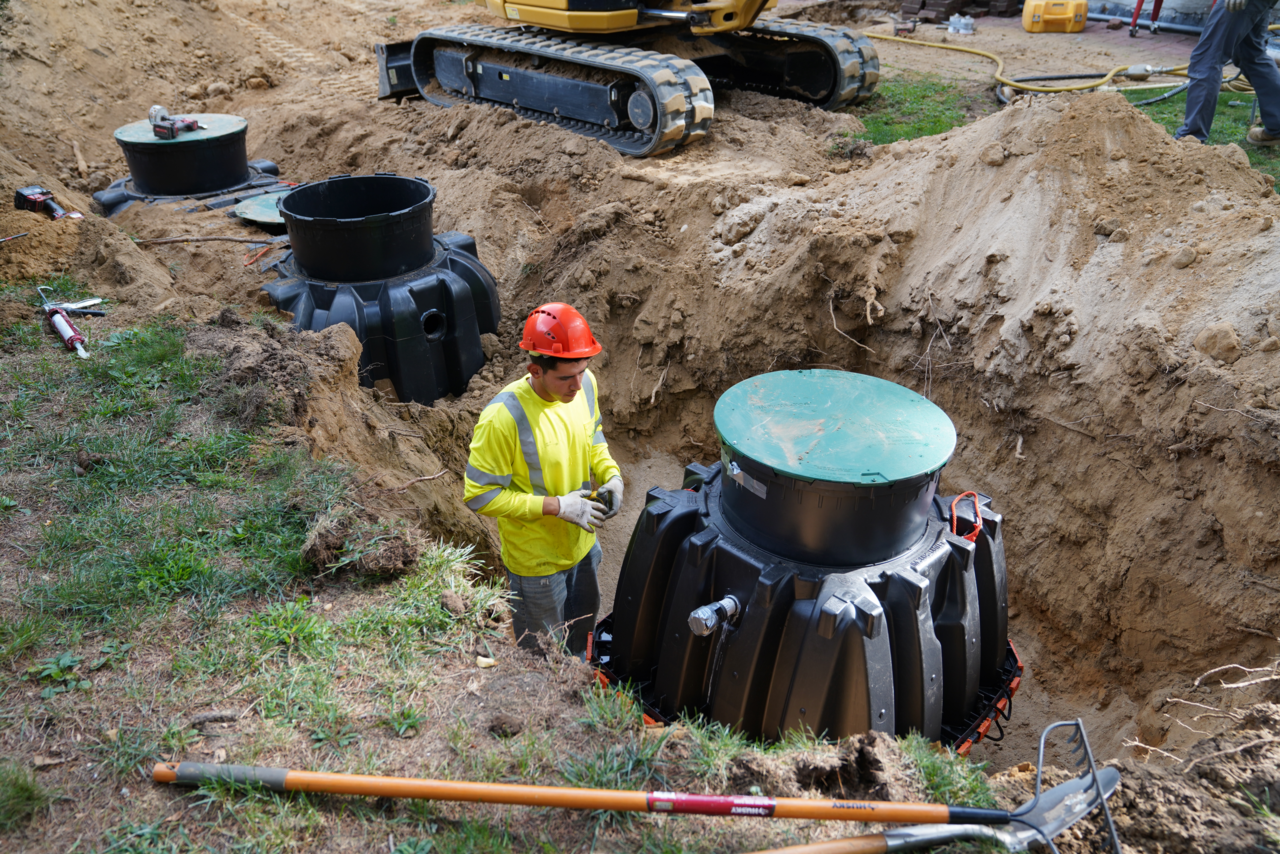
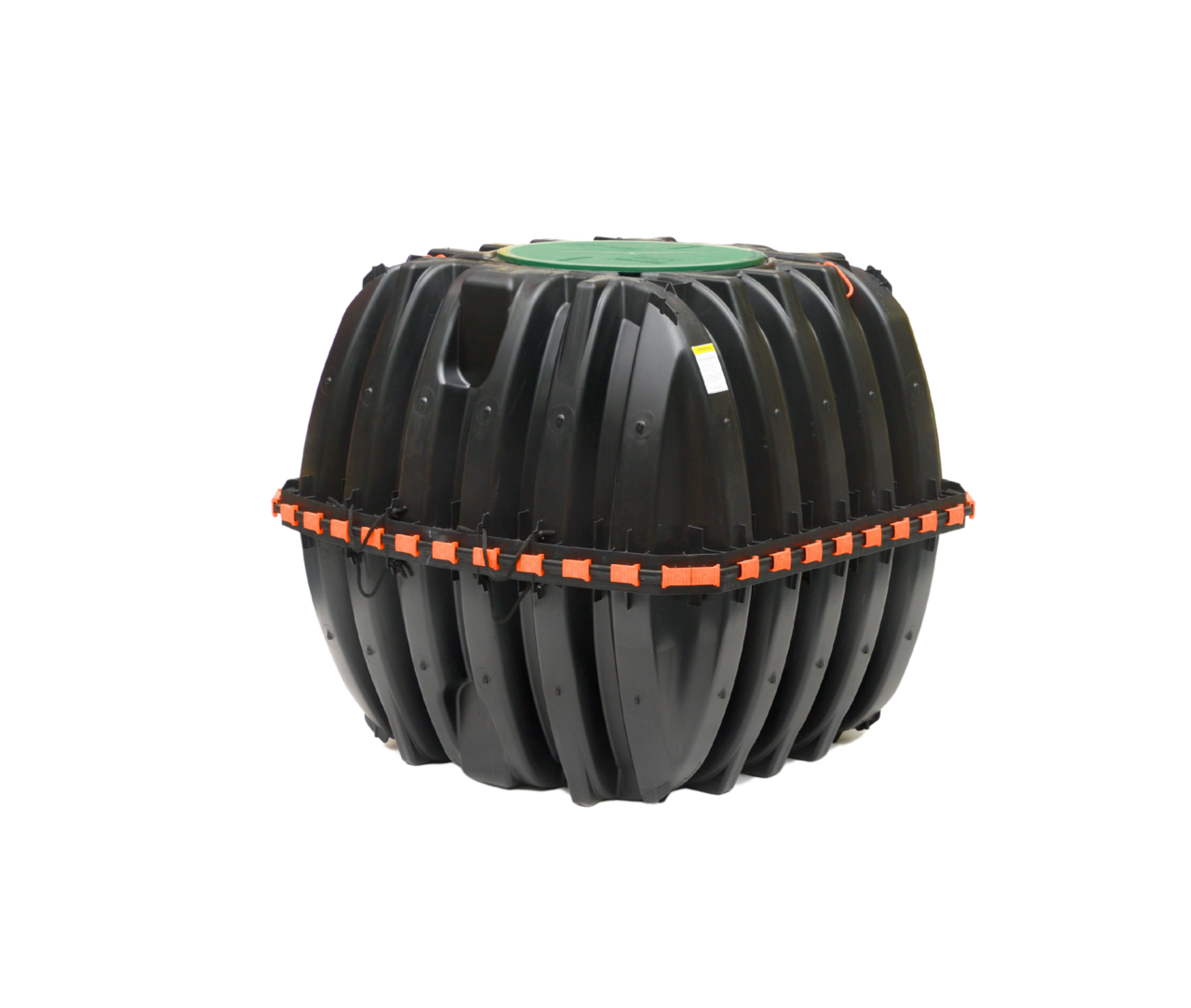
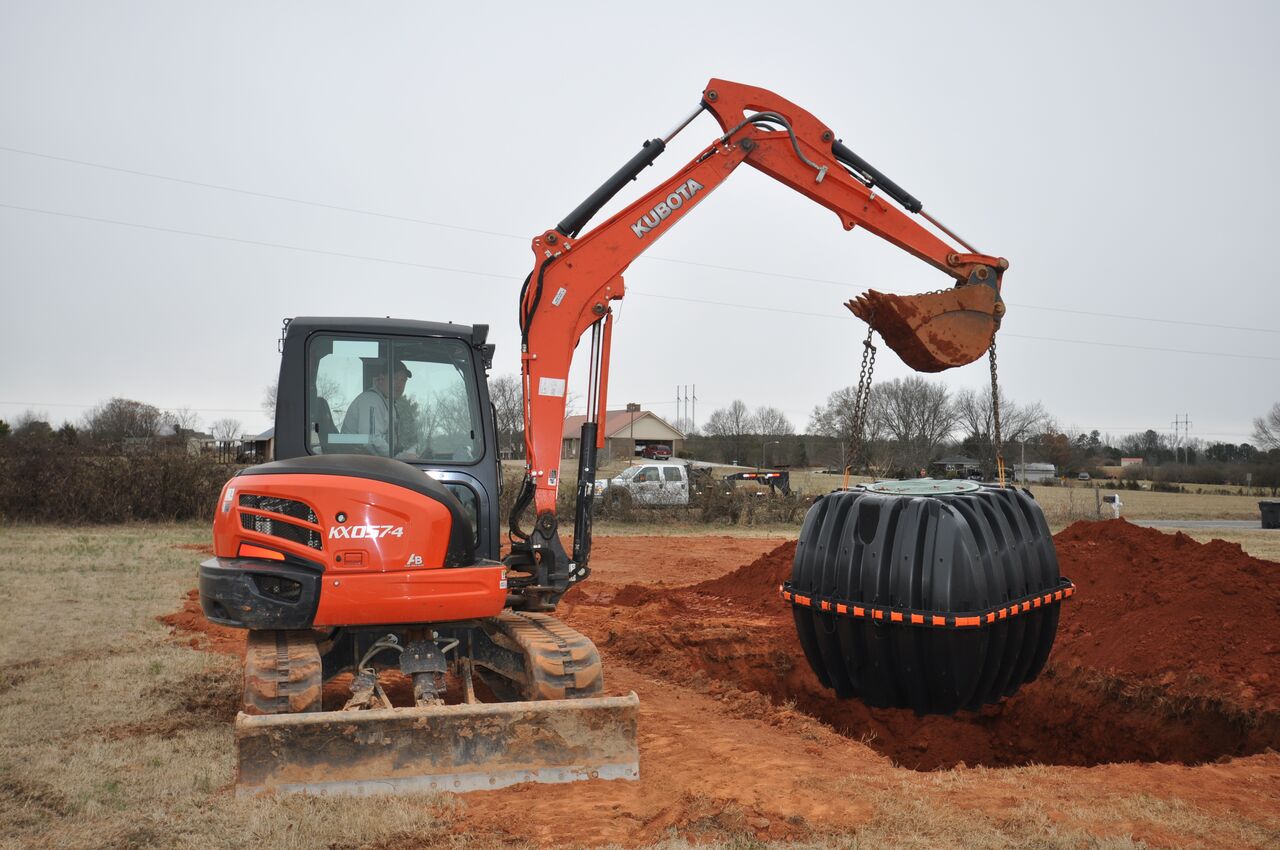
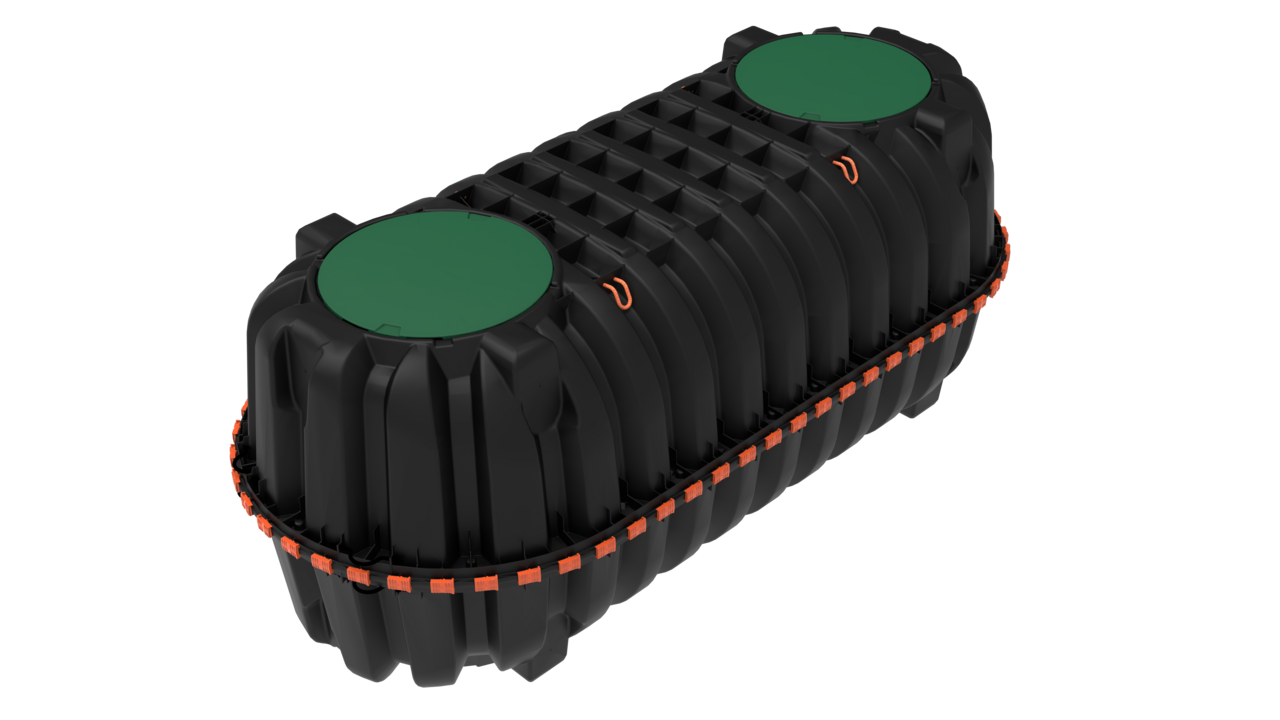
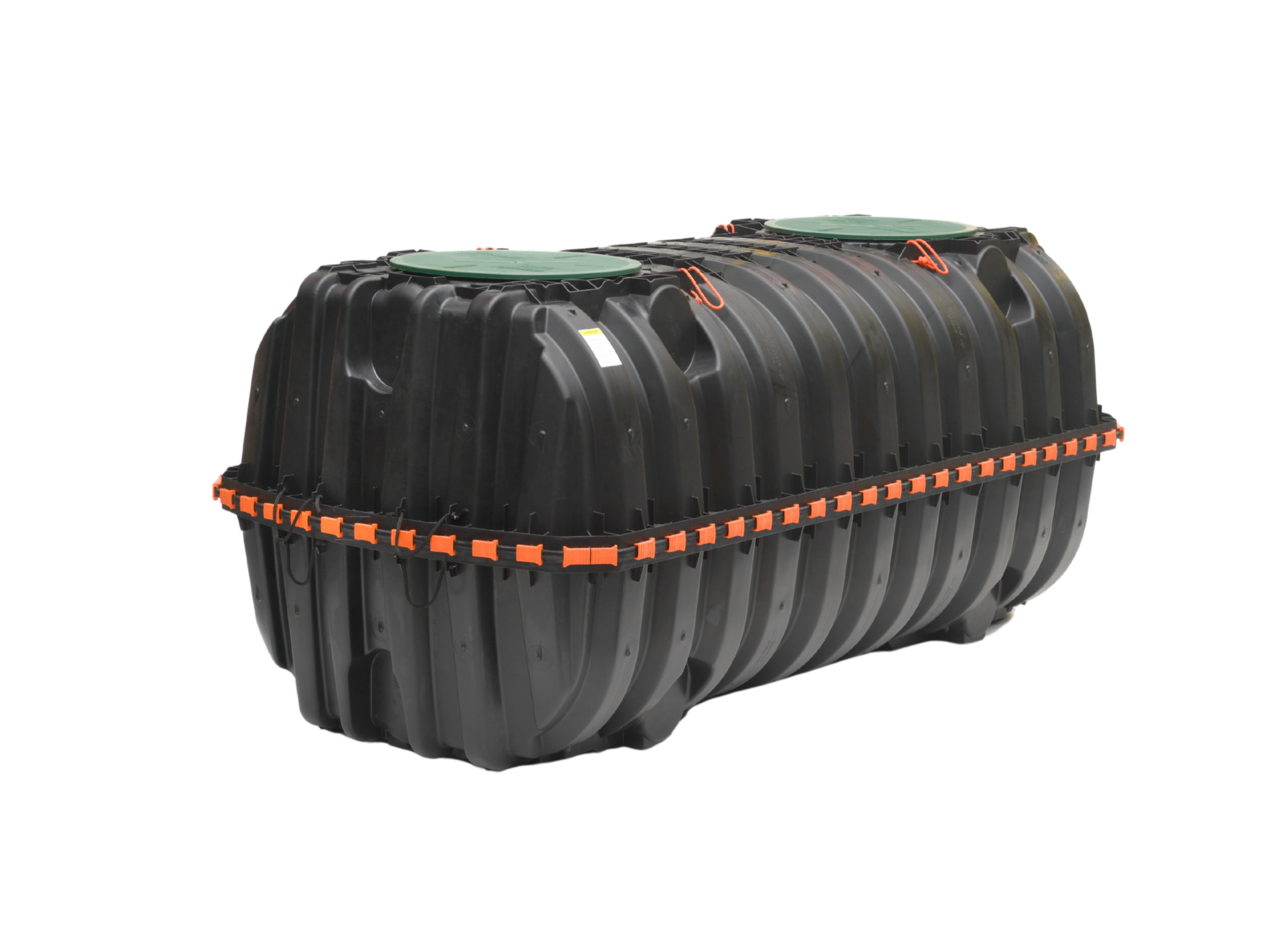
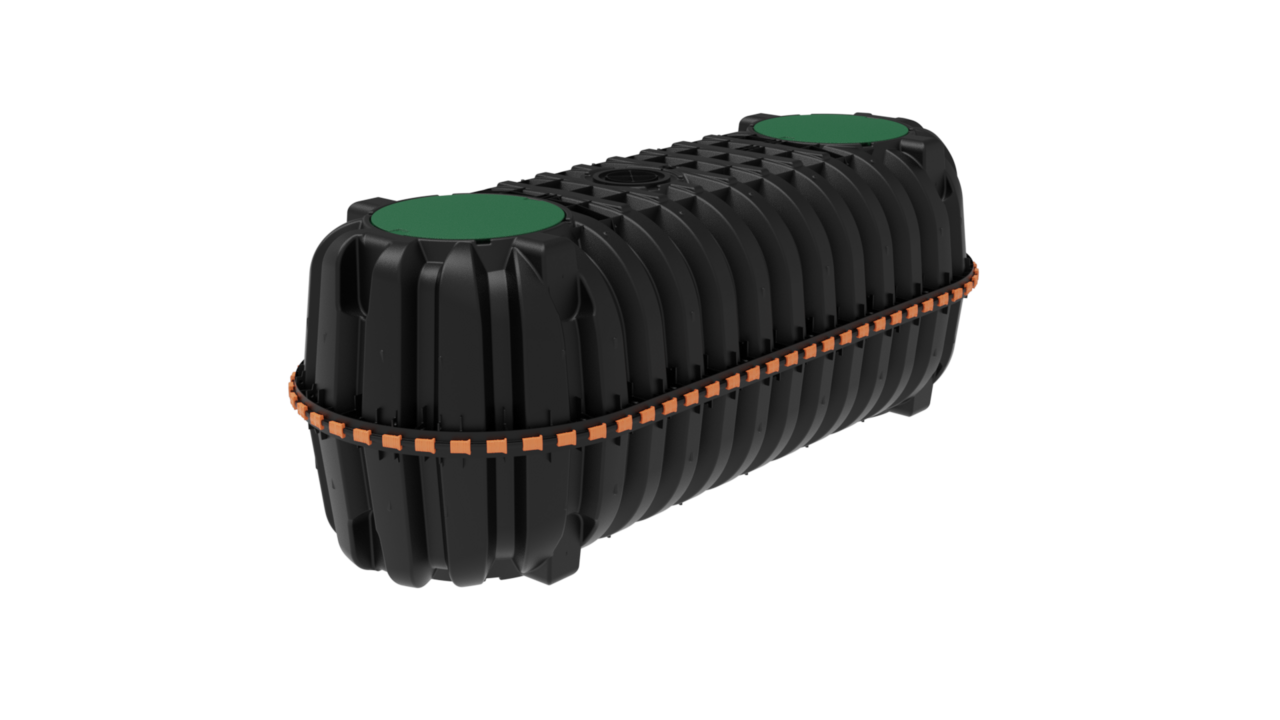
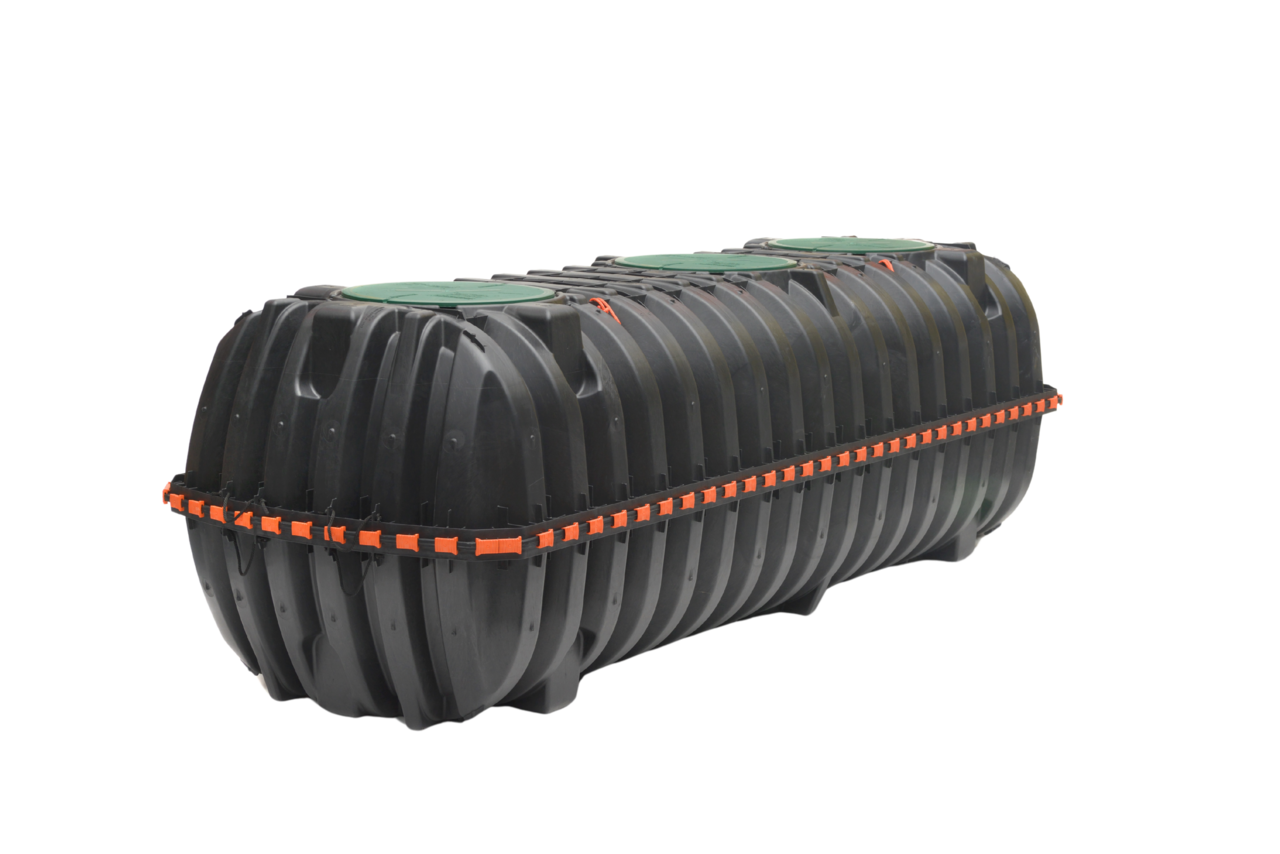
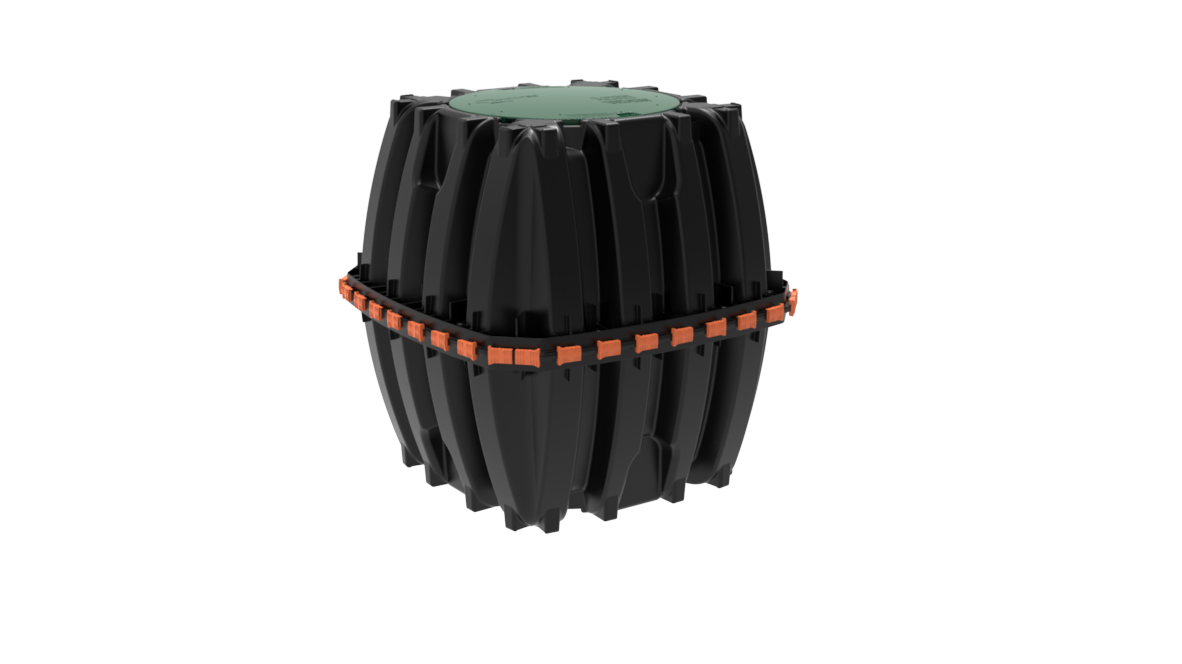
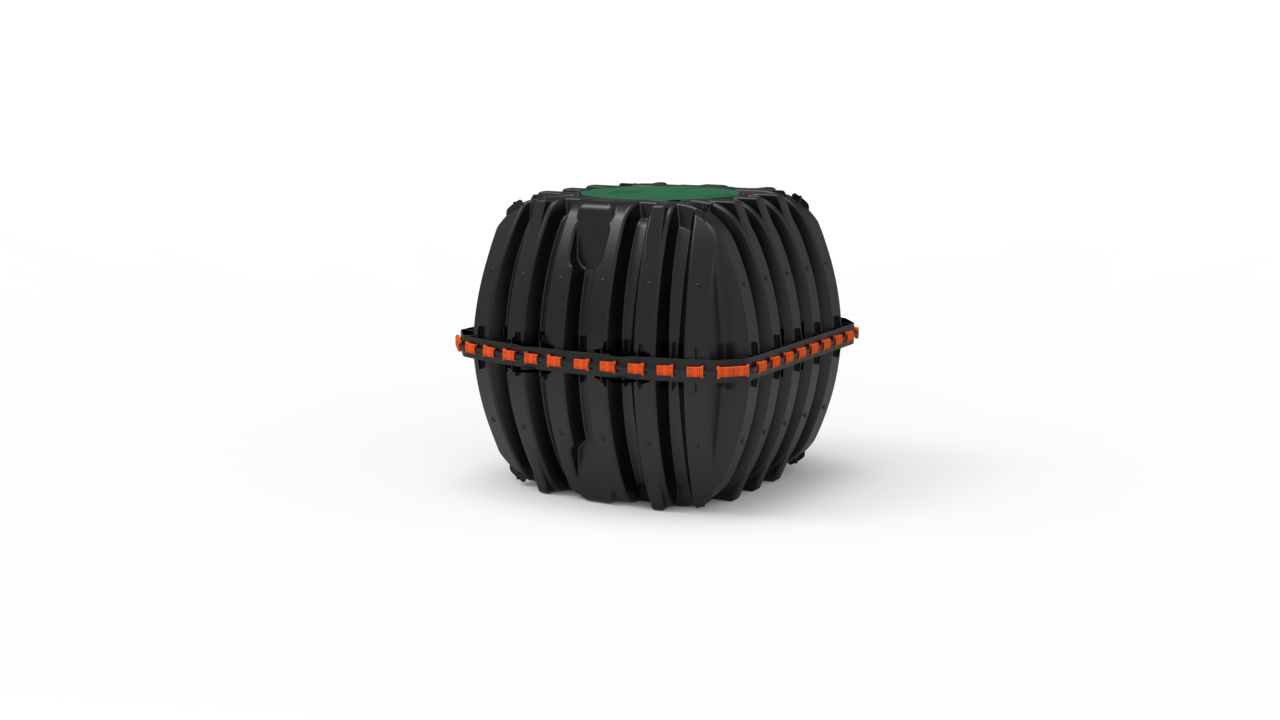
Infiltrator’s plastic septic tanks are available in a full range of sizes and configurations to offer reliable, high-efficiency wastewater treatment with minimal site disruption, and the quickest installation in the septic tank system industry.
Septic Tanks
Infiltrator plastic septic tanks are lightweight, durable wastewater storage solutions available in a range of capacities and configurations for residential and commercial septic systems. Designed for easier installation than traditional concrete tanks, they deliver long-term performance and corrosion resistance.
Is a 1,000-gallon septic tank large enough?
IM vs CM
Tank Series
Infiltrator offers two plastic septic tank designs, the injection-molded IM-Series and compression-molded CM-Series. Both are engineered polypropylene tanks designed for strength, watertightness, efficient handling and installation in residential and decentralized wastewater applications. The primary difference is the manufacturing process and the tank models available in each series.
- The IM-Series includes multiple tank sizes and configurations, from the 322-gallon IM-300 pump tank to the 1,787-gallon IM-1530.
- The CM-Series currently represented in the septic tank lineup is the CM-1060, a 1,309-gallon tank.
For contractors, designers, and homeowners selecting an Infiltrator tank, the right model depends primarily on the required capacity, application, available installation space, and site-specific requirements.
| Infiltrator Tank | Series | Manufacturing | Capacity | Application |
|---|---|---|---|---|
| CM-1060 | CM-Series | Compression molded | 1,309 gal | Septic, pump, or non-potable rainwater |
| IM-1060 | IM-Series | Injection molded | 1,287 gal | Septic, pump, or non-potable rainwater |
| IM-1250 | IM-Series | Injection molded | 1,480 gal | Septic, pump, or non-potable rainwater |
| IM-1530 | IM-Series | Injection molded | 1,787 gal | Septic, pump, or non-potable rainwater |
| IM-540 | IM-Series | Injection molded | 552 gal | Pump or non-potable rainwater |
| IM-300 | IM-Series | Injection molded | 322 gal | Pump tank |
We're ready when you are.

We're ready when you are.
It's quick and easy to connect with a representative.
Visit our Project Hub to Get StartedWhy Modern Plastic Septic Tanks Are Gaining Popularity
Advances in septic tank design are helping contractors and homeowners improve installation efficiency, durability and long-term performance. Modern plastic septic tanks offer lightweight construction, watertight connections and high-strength materials that simplify transportation and installation compared to traditional tank options. Infiltrator Water Technologies continues to innovate with septic, wastewater, stormwater and potable water storage solutions designed for today's regulatory and environmental requirements. Features such as engineered seams, durable construction and efficient shipping designs help support reliable system performance while reducing installation challenges. As onsite wastewater treatment, rainwater harvesting and water reuse applications continue to grow, high-performance tank systems are becoming an important part of sustainable water management.
When do I need a small septic or pump tank?
When Buoyancy Control is Required
Tank buoyancy is controlled by attaching anchor ballast to the base of the tank, offset by 6 inches. Weight of anchor ballasts and soil columns ensure the tank stays in the ground, typically when water level tables are high. To determine whether buoyancy control is required, first determine the subsurface water height above the bottom of the tank. Next, determine the soil cover depth above the top of the tank. The allowable soil cover above the top of the Infiltrator tank is 6 in. to 4 ft.
Buoyancy Control Requirements
- Subsurface water height less than 30 in.: Buoyancy control is not required, provided the soil cover depth above the tank is between 6 in. and 4 ft.
- Subsurface water height between 30 and 36 in.: Buoyancy control is required for the IM-1530 tank when the soil cover depth is 6–12 in. For soil cover depths greater than 12 in., buoyancy control is not required.
- Subsurface water height between 36 and 43 in.: Buoyancy control is required for all Infiltrator tank models when the soil cover depth is 6–12 in. If the soil cover depth is 12 in. or greater, buoyancy control is not required.
- Subsurface water height above the outlet pipe saddle: Do not install the Infiltrator septic tank.
When Buoyancy Control is Required
Tank buoyancy is controlled by attaching anchor ballast to the base of the tank, offset by 6 inches. Weight of anchor ballasts and soil columns ensure the tank stays in the ground, typically when water level tables are high. To determine whether buoyancy control is required, first determine the subsurface water height above the bottom of the tank. Next, determine the soil cover depth above the top of the tank. The allowable soil cover above the top of the Infiltrator tank is 6 in. to 4 ft. Buoyancy Control Requirements Subsurface water height less than 30 in.: Buoyancy control is not required, provided the soil cover depth above the tank is between 6 in. and 4 ft. Subsurface water height between 30 and 36 in.: Buoyancy control is required for the IM-1530 tank when the soil cover depth is 6–12 in. For soil cover depths greater than 12 in., buoyancy control is not required. Subsurface water height between 36 and 43 in.: Buoyancy control is required for all Infiltrator tank models when the soil cover depth is 6–12 in. If the soil cover depth is 12 in. or greater, buoyancy control is not required. Subsurface water height above the outlet pipe saddle: Do not install the Infiltrator septic tank.