
How to Plan Successful Drip Irrigation Systems
Here are smart planning strategies and product tips that will help you position your next drip project for success.
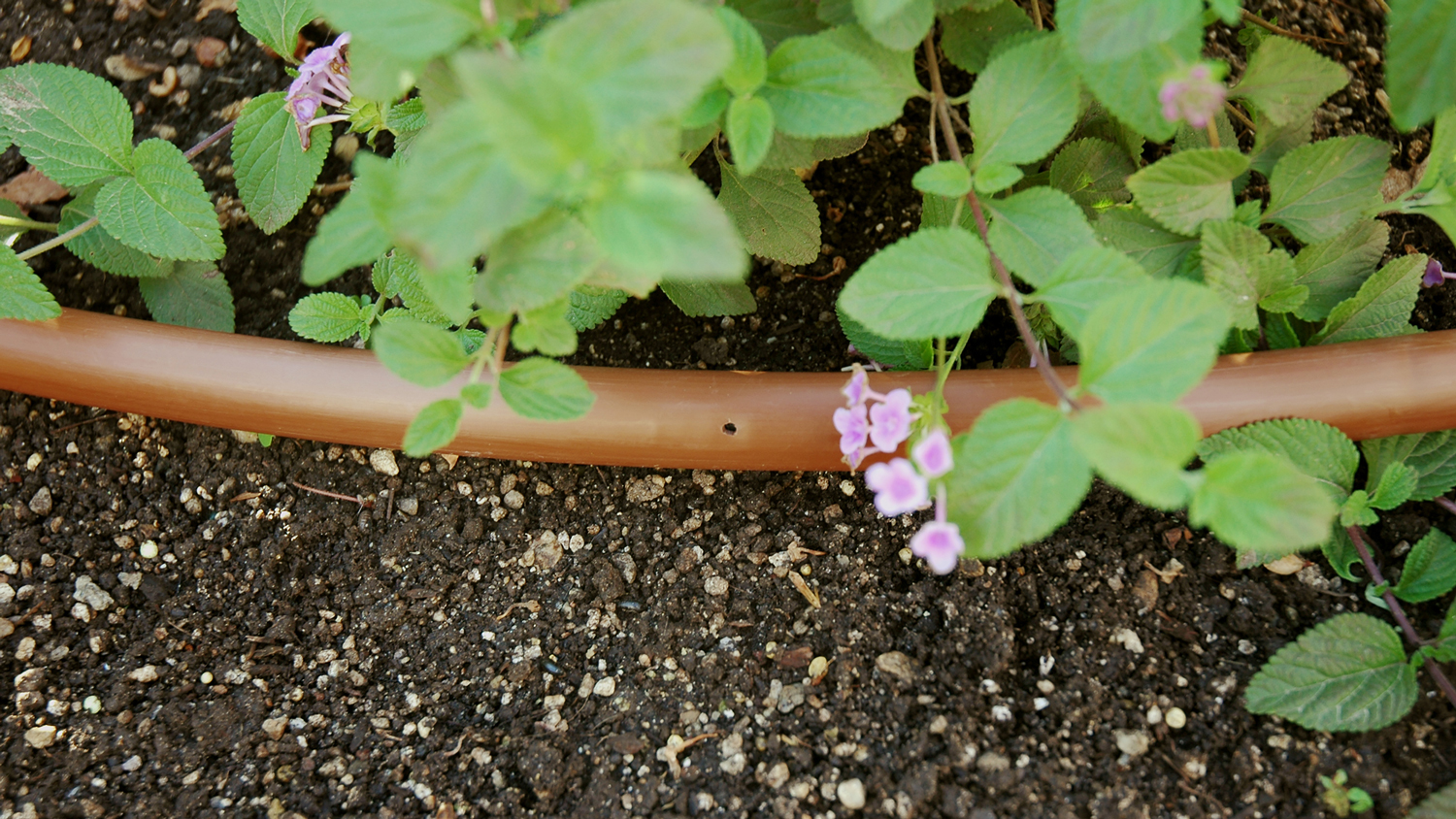
Building a superior irrigation system starts with thoughtful planning well before the first piece of tubing is unrolled. By investing effort in the design process and prep work, you can create drip systems that deliver long-term performance and reliability—helping strengthen your reputation as a trusted irrigation professional.
Here are smart planning strategies and product tips that will help you position your next drip project for success.

Discussing the drip
irrigation project with a client
1. Carefully evaluate the property and landscape
During your property
walk-though, take note of factors that can impact irrigation performance—like
elevation changes, soil type, and sun exposure. Create a detailed site sketch
that includes planting beds, trees, and other irrigated areas as well as hardscape
features that may affect tubing placement.
DRIP TIP: For sloped terrain, plan to use pressure-compensating emitters or dripline to help ensure consistent water distribution across varying elevations.
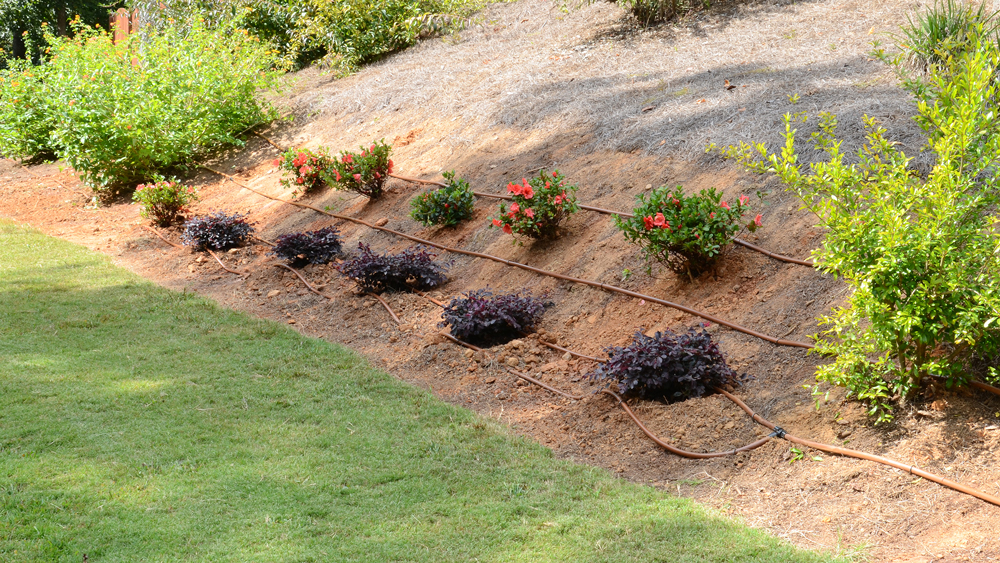
Installing tubing
for plants with similar water needs
2. Organize irrigation zones according to water usage
To maximize the
precision and efficiency of your drip setup, group plants with similar water
needs into dedicated irrigation zones. For example, flowering annuals often
require more frequent irrigation than mature shrubs, native plants, and
drought-tolerant species. Proper zoning allows each landscaped area to receive
the appropriate amount of water.
DRIP TIP: To set up an irrigation zone quickly, opt for an all-in-one control zone kit that comes preassembled with a valve and pressure-regulating filter.
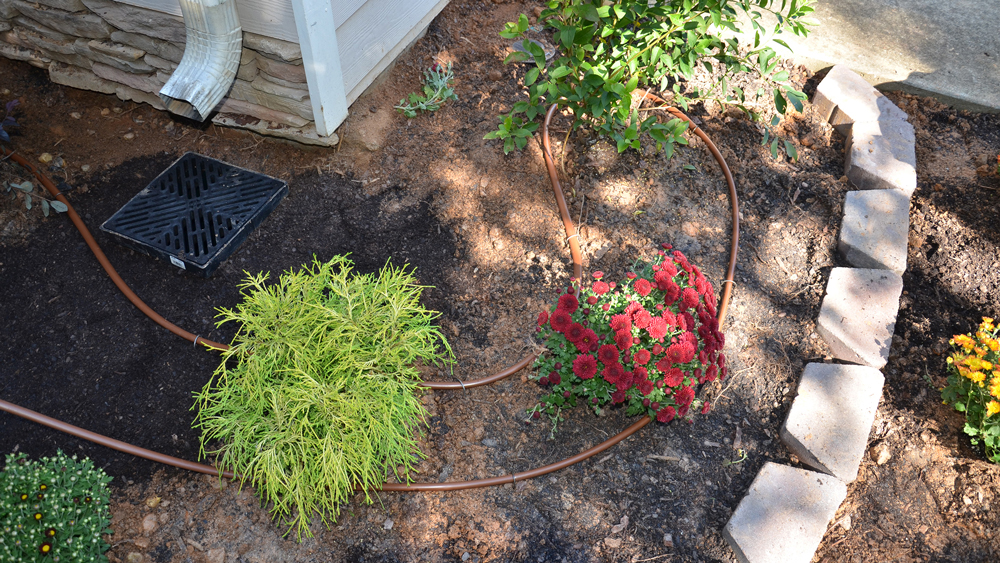
Snaking tubing
around plants in a landscape bed
3. Plan tubing routes for optimum system performance
For an efficient
tubing layout, avoid unnecessary complexity and sharp bends that can disrupt
water flow. Use stakes to keep tubing in place, the appropriate fittings to
ensure secure connections, and single- or multi-outlet emitters to deliver
water where needed.
Exceeding
recommended tubing run lengths or overloading a line with too many emitters can
degrade system performance so it's a good idea to check product specs. The NDS
specifications library is a good resource, with a search bar to help you find
what you need.
What is the 200/200
rule?
Some contractors use
the 200/200 rule as a rough planning guideline: limiting tubing run lengths to
a maximum of 200 ft. and the total flow rate of drip emitters for each line to
200 GPH.
DRIP TIP: Need a longer run? NDS Dura Flo™ CV Check Valve 17mm Dripline enables runs of up to 314 ft. while also reducing header materials and installation labor.
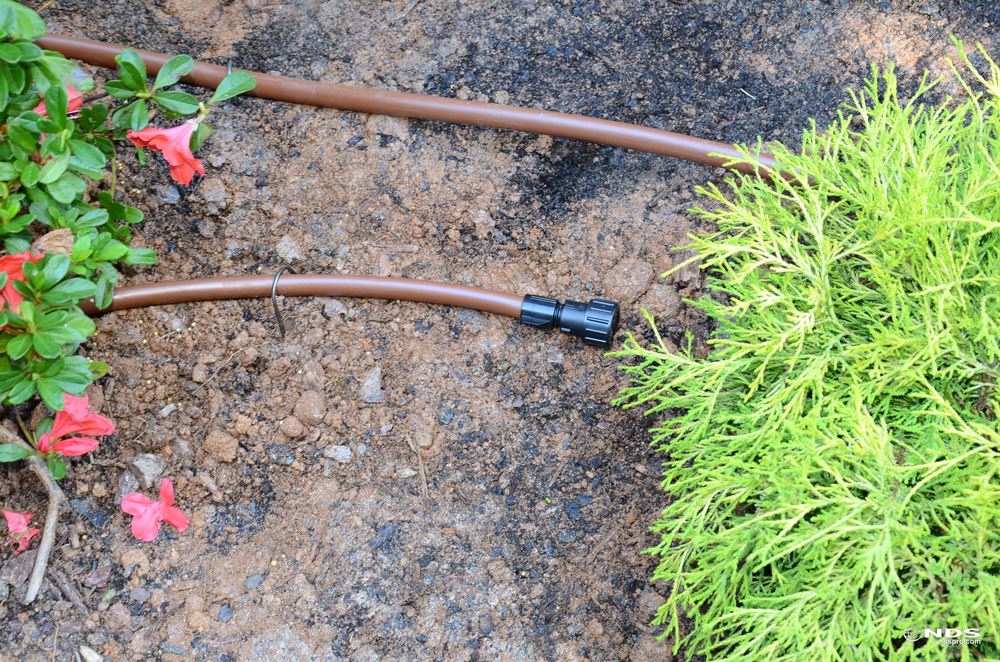
Dripline capped with
a Smart Loc™ Hose End Plug
4. Plan for the possibility of future expansion
Landscapes often
evolve over time with new planting beds, garden areas, or outdoor living
spaces. You can make it easier to accommodate future irrigation projects by
integrating flexibility into your original design—such as adding extra outlets
that can be capped until needed.
DRIP TIP: For even more flexibility now and in the future, choose Smart Loc™ fittings that work with a variety of supply tubing and dripline sizes. Bonus: They're easy to remove and reuse!
These field-tested best practices will help you create drip irrigation systems that perform effectively over time, contributing to healthy landscapes and happy clients. When you're ready to level up your skills, take the NDS PRO Drip Irrigation Course for practical, hands-on instruction that will enhance your credibility as a proven drip expert.
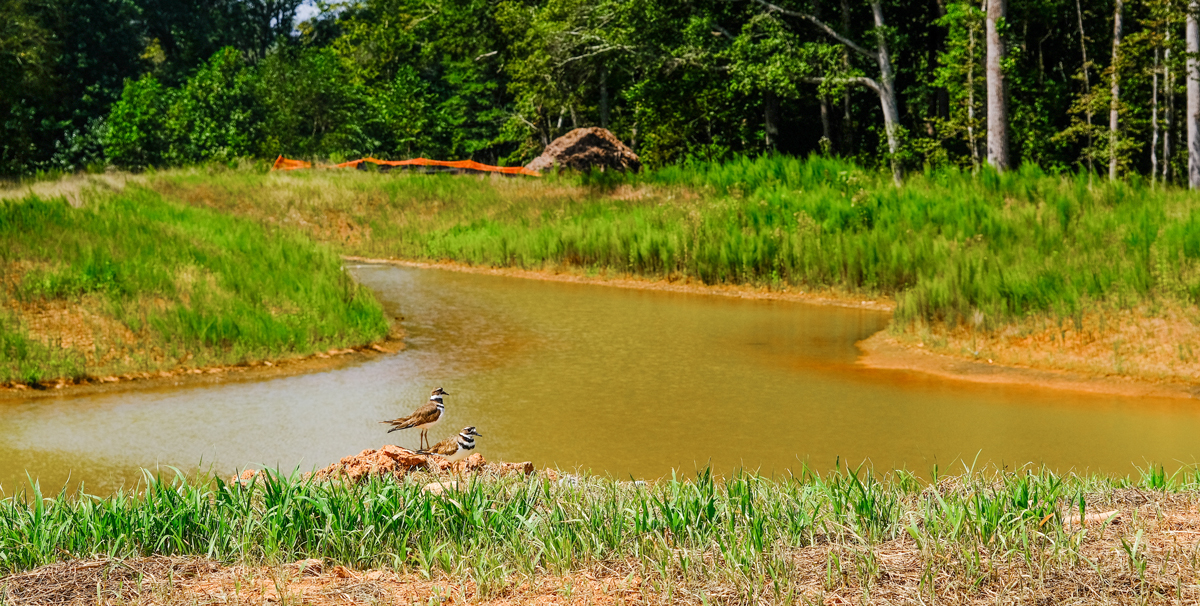
Explore the essential differences between retention ponds and detention ponds. Learn how each basin manages stormwater, impacting environmental and urban planning.
Read More
No more muddy paws, drenched flower beds, or splash guards that kinda work - we've got three easy drainage fixes that won't break the bank.
Read More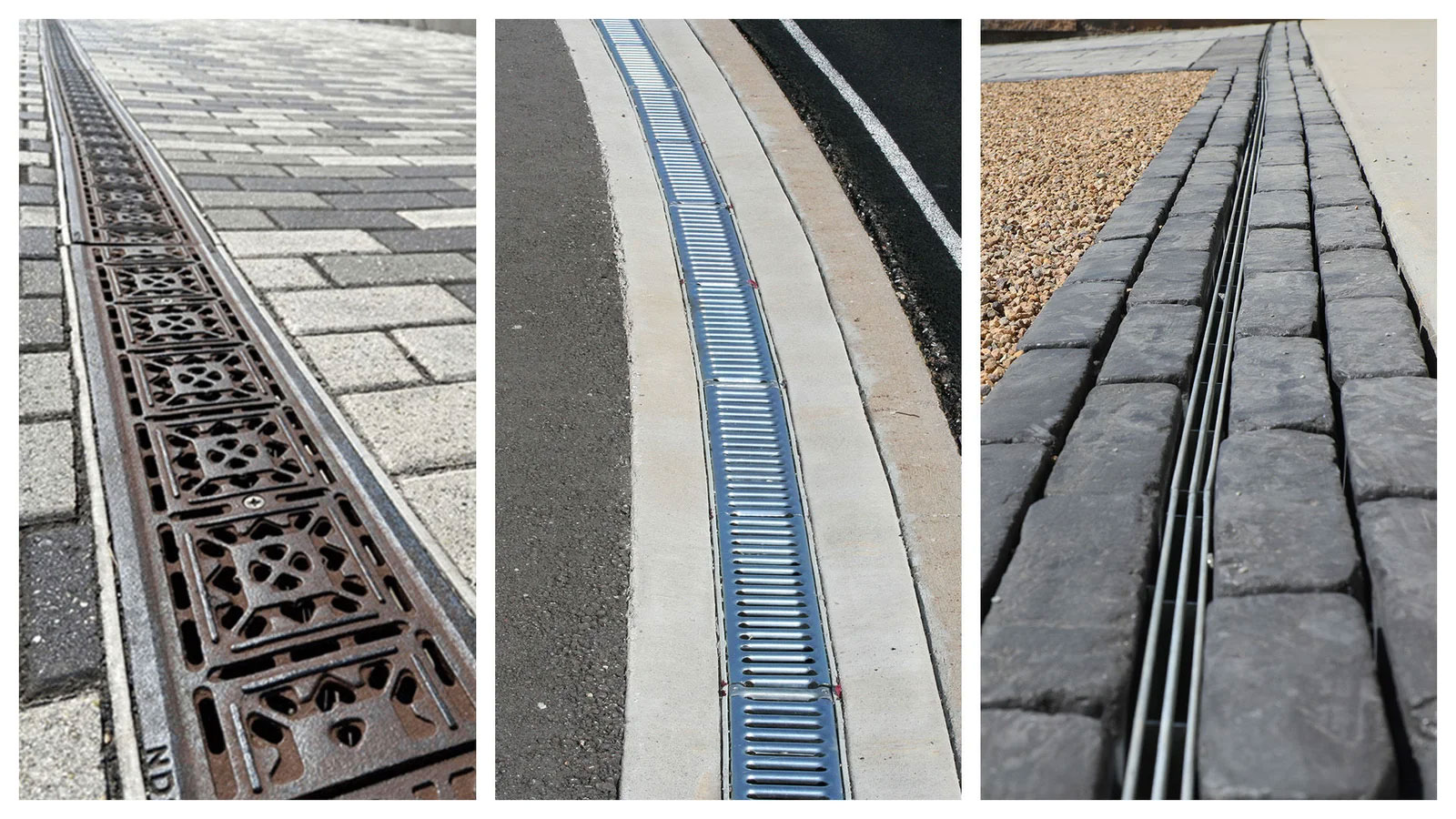
This guide covers the purpose and benefits of channel drains and how to install a trench or channel drain step by step.
Read More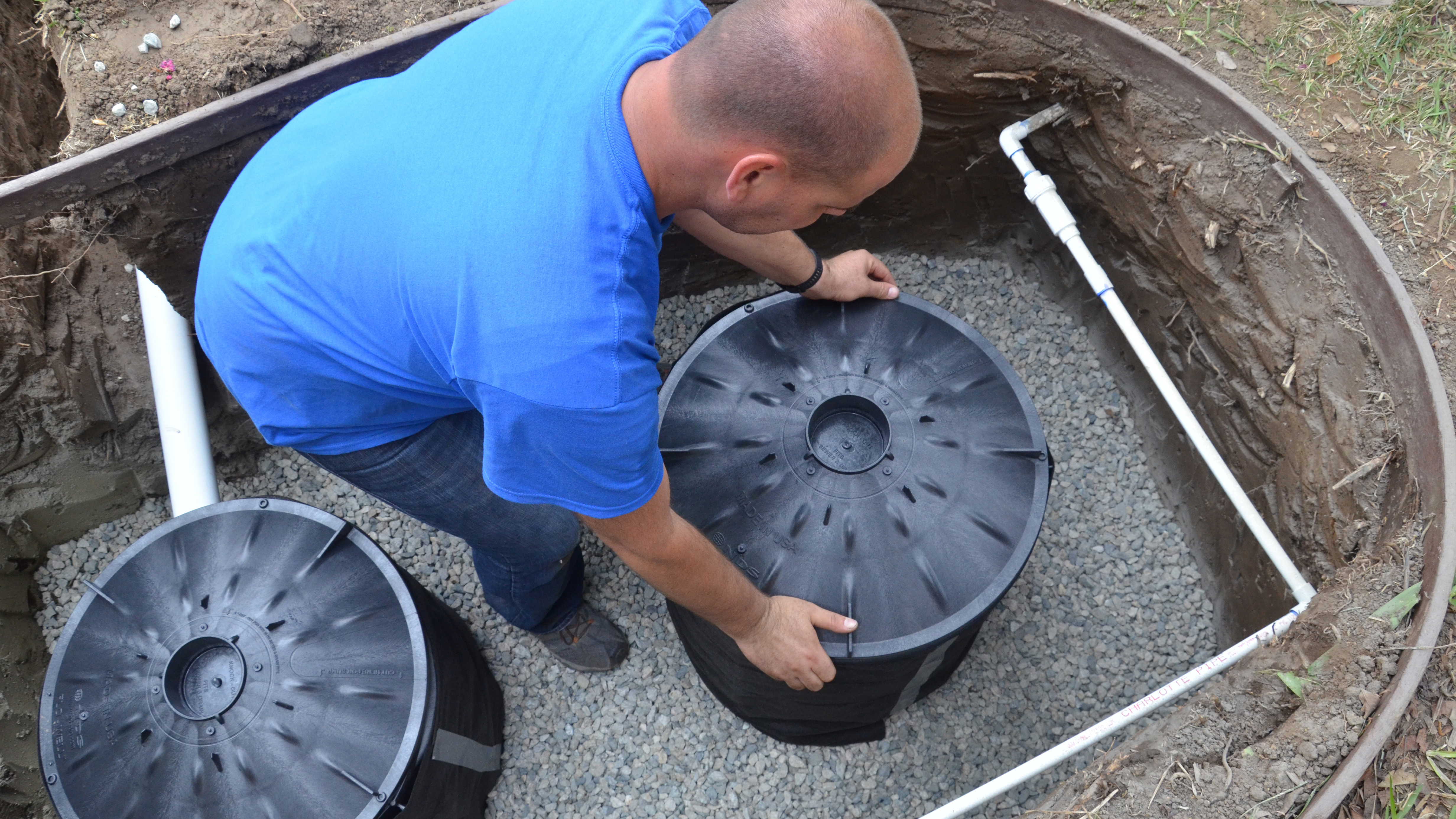
Learn how to install a dry well with our guide and practical tips for managing yard drainage effectively.
Read MoreHave Questions? Need Help? Want to Know More?

Have Questions? Need Help? Want to Know More?
No questions are too big or small. Find out how NDS solutions experts can help you solve your water management problems. Call 800-726-1994 or contact us by clicking below.
Contact Us