
How To Make It Drain The Next Time It Rains
What happens when rainfall hits rooftops, lawns, and landscapes? That stormwater runoff needs a place to go. Problems arise when the excess water has difficulty draining—but you can resolve it with a properly installed drainage system.
Issue #1: Downspout Runoff
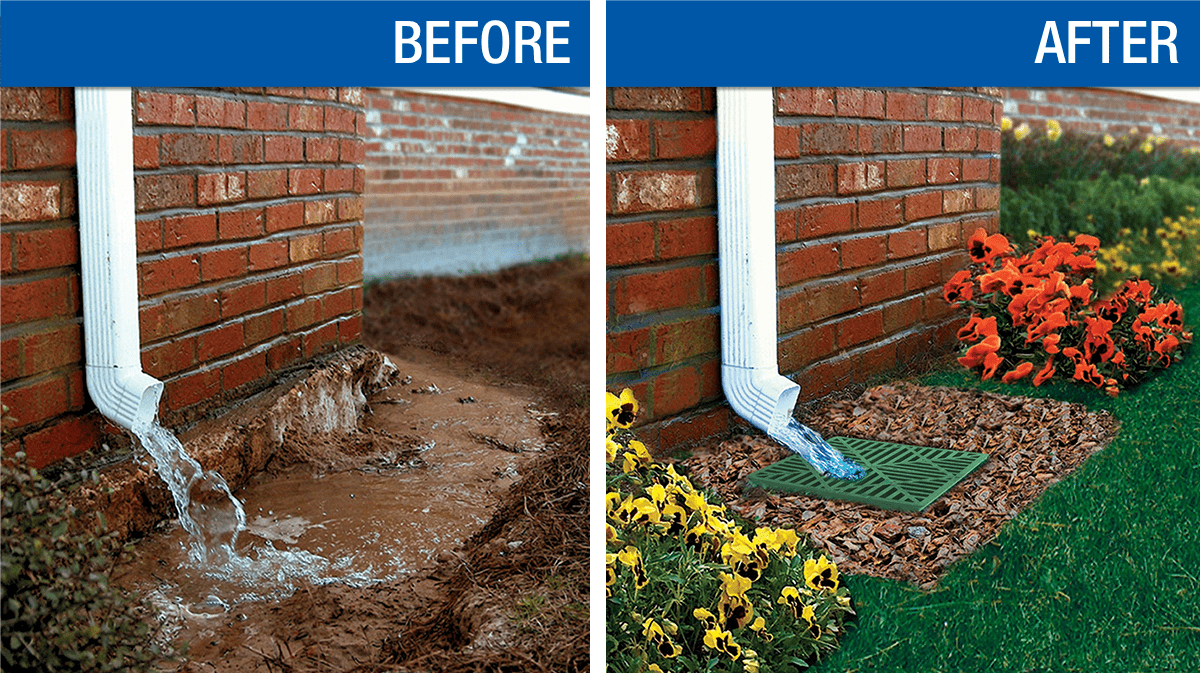
Downspouts are vertical pipes that carry water from roof gutters down to the ground. Signs of downspout runoff problems include:
- Flooding and erosion, mulch washouts, drowning foundation plantings
- Structural damage such as foundation cracks, rotten wood siding, walls, and sill plates
- Wet
basement or crawlspace
To prevent damage from downspout runoff, you’ll
need to capture the water where the downspout ends. This can be done by using a
downspout adapter with overflow cleanout, or a capture device such as a
low-profile adapter or catch basin with drain grate. The downspout capture
device is connected to drain pipe to convey the runoff downstream for release.
Issue #2: Standing Water on Lawns & Landscape Beds
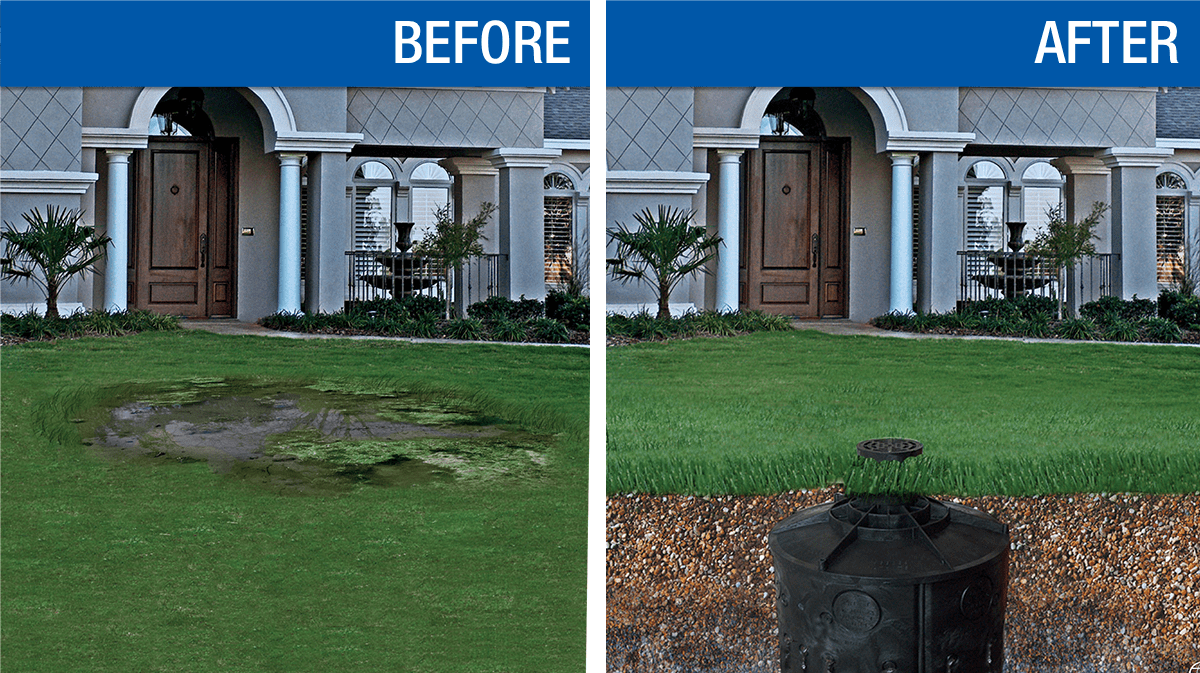
Water that can’t properly drain not only creates an eyesore, it indicates an unhealthy landscape that can kill your lawn and your plants. Signs of an unhealthy lawn or planting bed include:
- Yellowing or thinning grass
- Patchy turf
- Wilting
and stunted plant growth
Here are a couple ways you can save your lawn and your plants.
One option is to capture the water with an area drain, low-profile adapter, or catch basin covered with a drain grate. The capture device is connected to drain pipe to carry the water downstream for release. For areas with mulch or bark, an atrium grate is recommended instead of a flat grate. This type of grate rises above the surface of the ground to block debris near the base while water drains from above.
Another option is to temporarily detain the water and allow it to infiltrate into the soil with a dry well or infiltration trench. This may be required in your area in association with building and landscape improvements that would otherwise increase downstream runoff from your property.
Issue #3: Lingering Puddles on Hardscapes
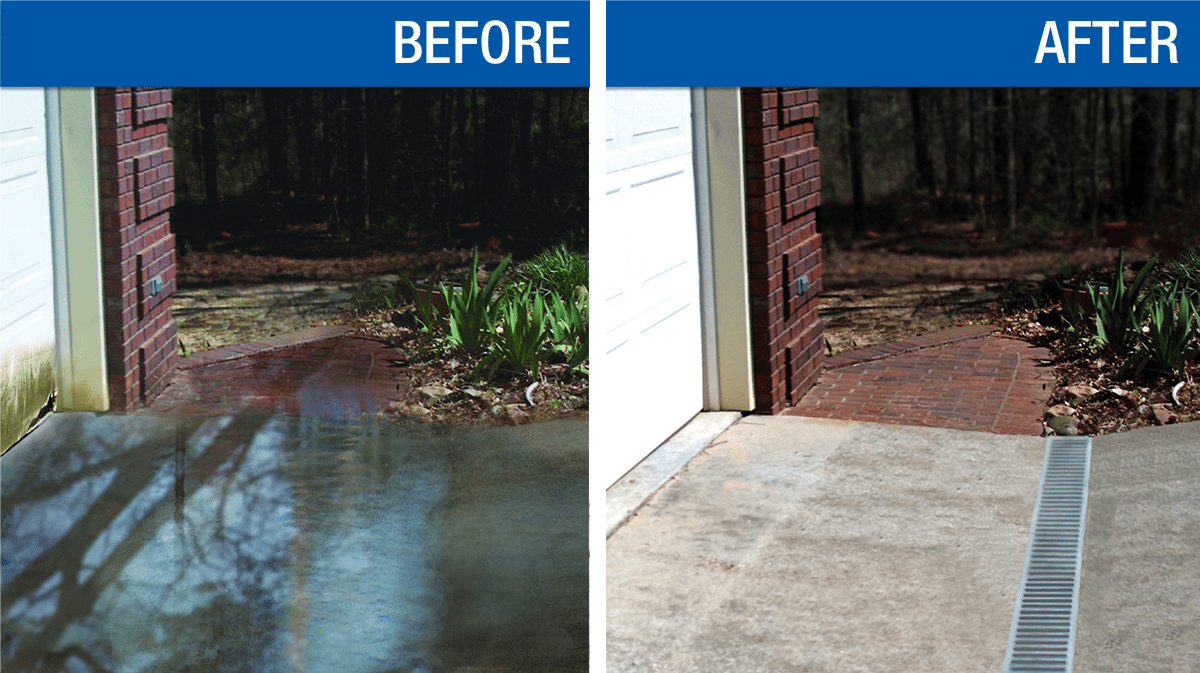
Hardscapes are areas made of concrete, stone, bricks, and pavers, where water can’t easily pass through to the ground underneath. They include driveways, patios, pool decks, walkways, and courtyards. Standing water on impervious surfaces can lead to:
- Surface damage
- Slippery stains from mold and mildew
- Mud, silt, or debris accumulation
- Potential
water intrusion into nearby structures
Runoff on hardscape surfaces often flows in sheets of water. The best solution to capture sheet flow is with channel drains. These long, narrow drains are integrated within the hardscape to intercept and capture the flows of water. The channels outlet to drain pipes to convey the water downstream for release.
Issue #4: High Groundwater
Stormwater that infiltrates the soil becomes groundwater, and the level of groundwater in the soil is known as the water table. But did you know the local water table can rise and fall seasonally? And when the water table is high it can lead to big trouble. Here’s what to look for:
- Frequent standing water lingering for more than a day after a rain event
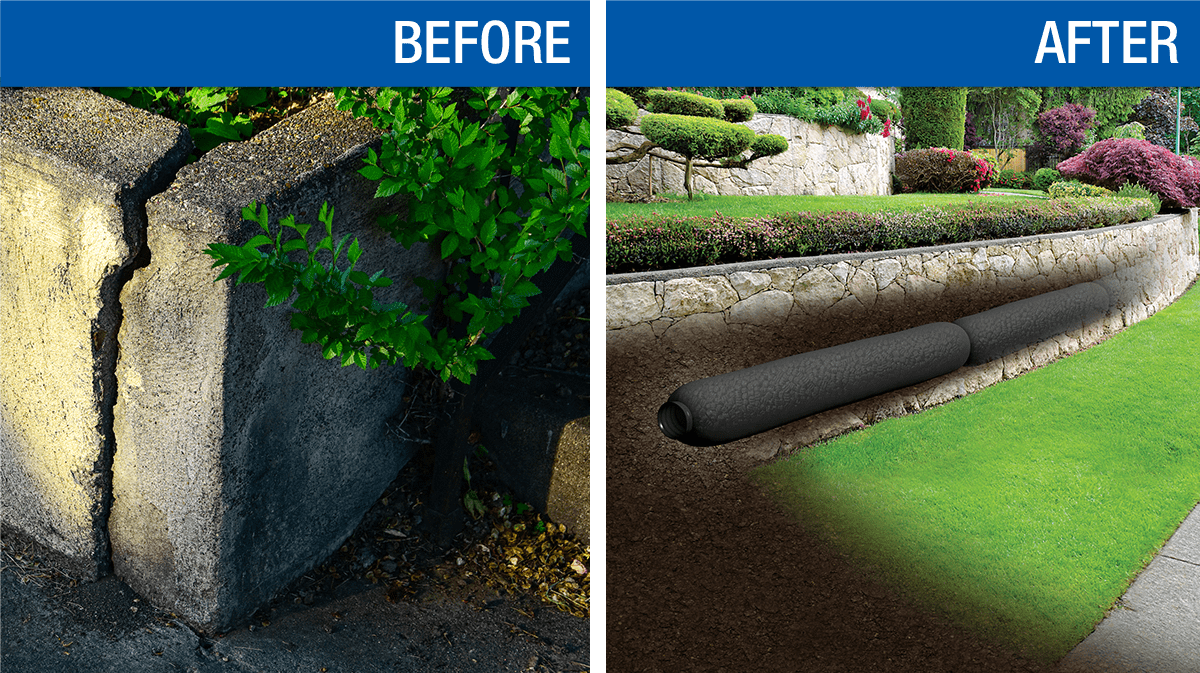
- Water seeping through the face of a retaining wall
- Wet
basement or crawlspace
The French drain is a tried-and-true method for lowering high groundwater. Traditionally it consists of an excavated trench filled with gravel and a perforated pipe, but engineered French drains are a convenient alternative. The EZ Flow® and EZ-Drain™ Engineered French Drain systems are pre-assembled solutions that are lightweight for easy handling and quicker installation, and offer a 30% better flow rate.
For more information about finding the right drainage solution for your situation, or to access our how-to guides and stormwater management tips, visit Drain-It-Now.com, check out our other videos on the NDS Stormwater Management channel on YouTube, or reach out to us at (888) 825-4716. No problem is too big or small—we're here to help!
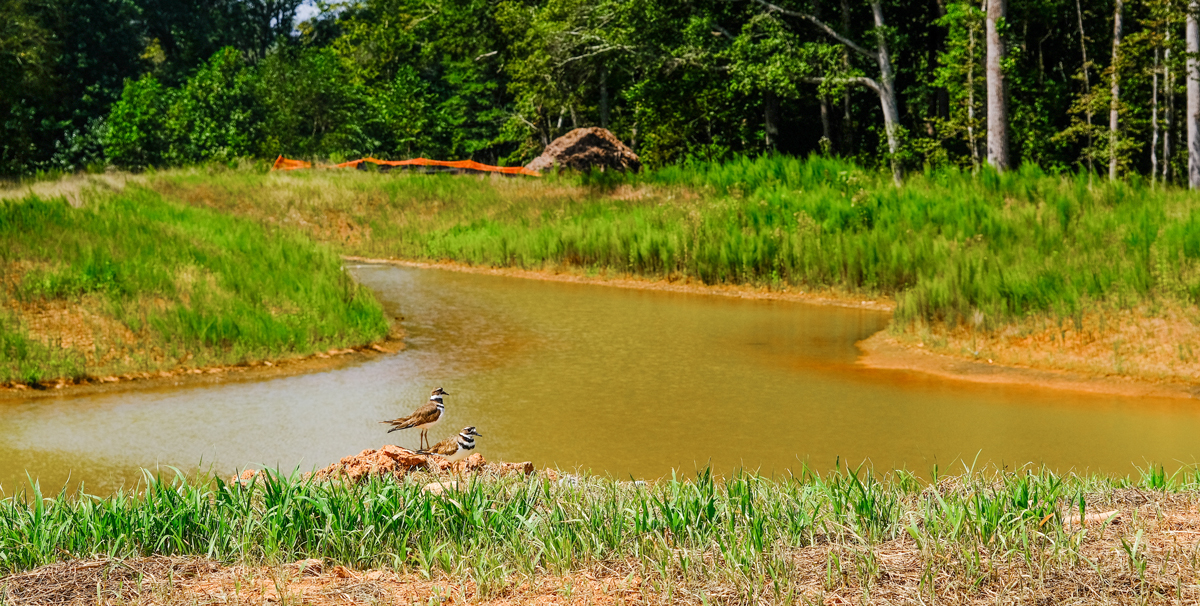
Explore the essential differences between retention ponds and detention ponds. Learn how each basin manages stormwater, impacting environmental and urban planning.
Read More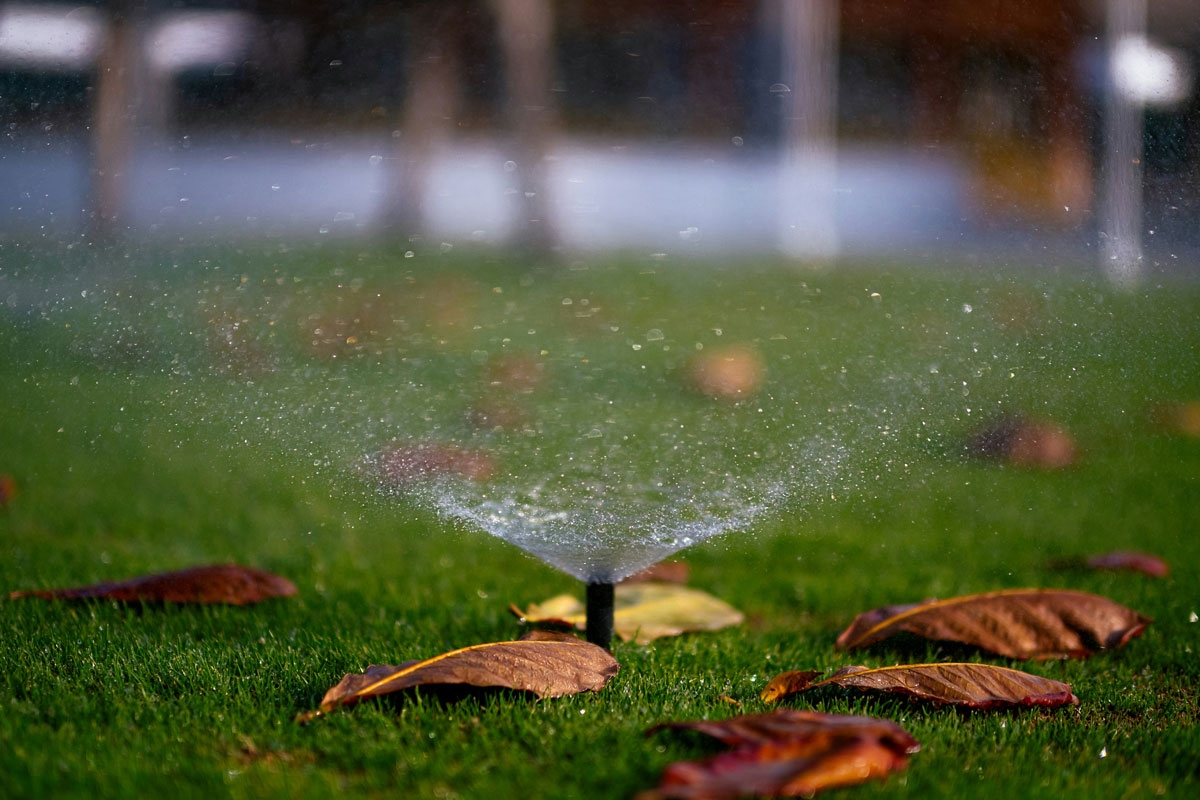
No more muddy paws, drenched flower beds, or splash guards that kinda work - we've got three easy drainage fixes that won't break the bank.
Read More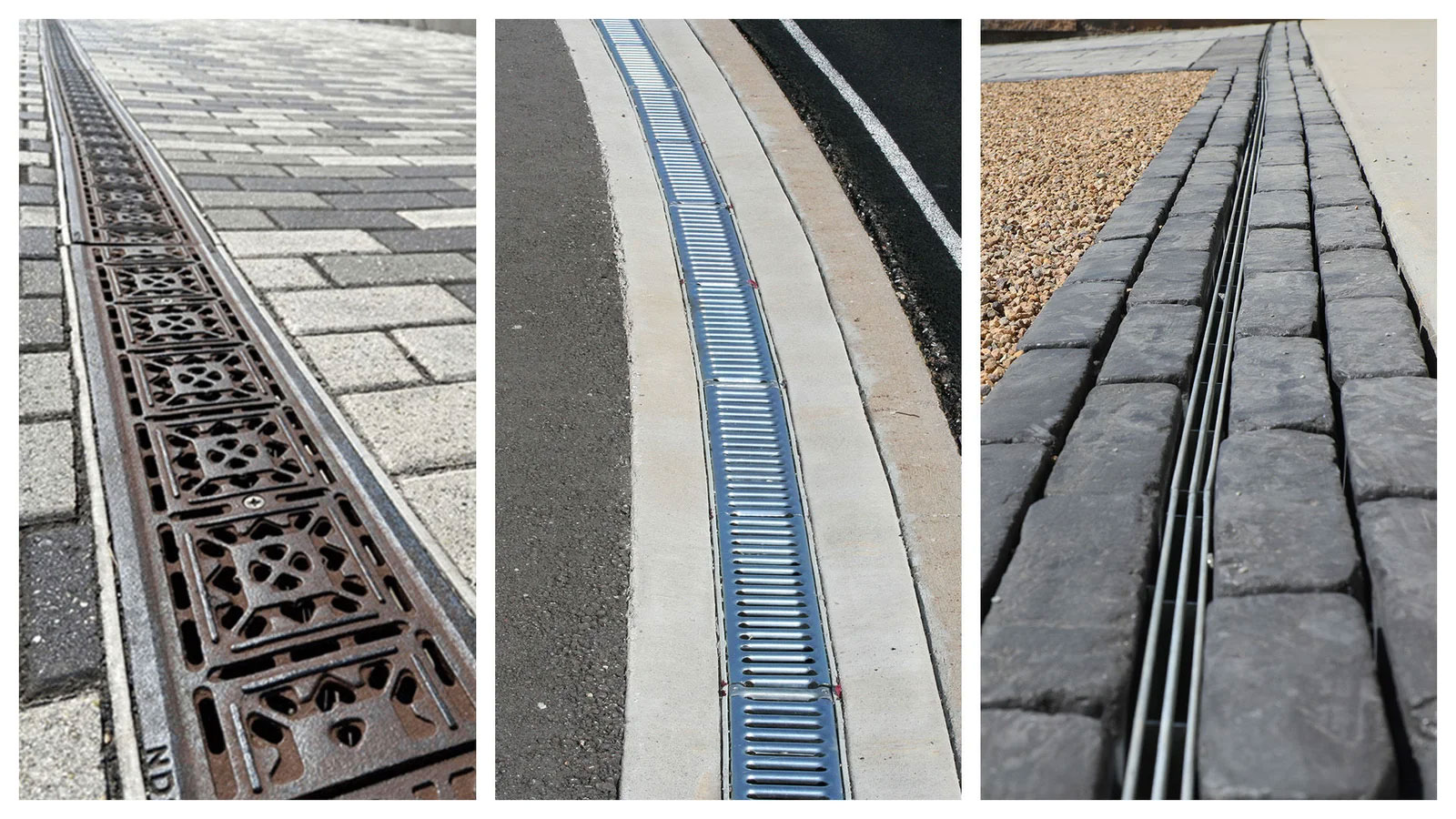
This guide covers the purpose and benefits of channel drains and how to install a trench or channel drain step by step.
Read More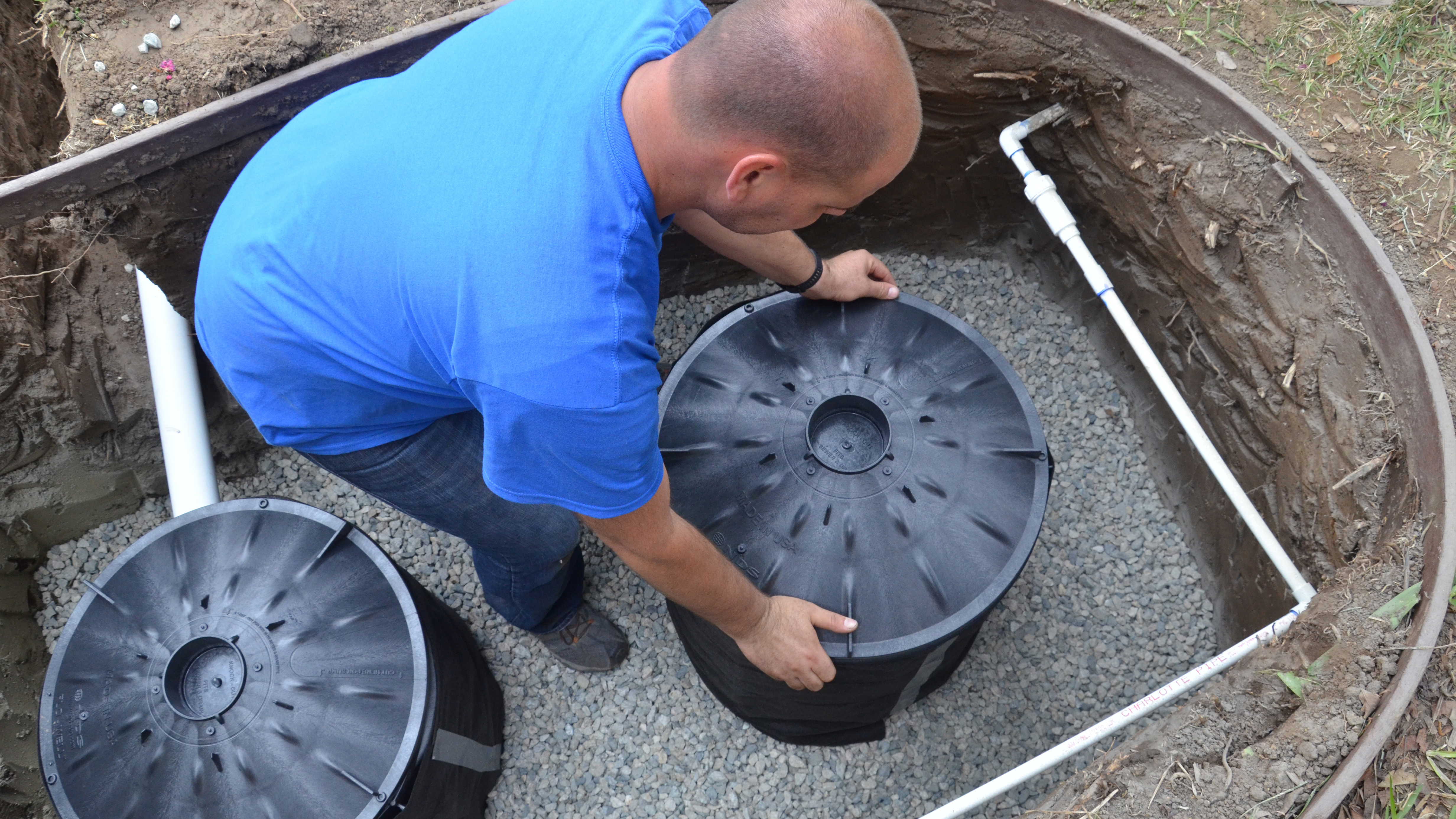
Learn how to install a dry well with our guide and practical tips for managing yard drainage effectively.
Read MoreHave Questions? Need Help? Want to Know More?

Have Questions? Need Help? Want to Know More?
No questions are too big or small. Find out how NDS solutions experts can help you solve your water management problems. Call 800-726-1994 or contact us by clicking below.
Contact Us