
5 Ways to Prepare Your Drip Irrigation System for Winter
As freezing weather approaches, it’s a good time to start prepping systems on your property.
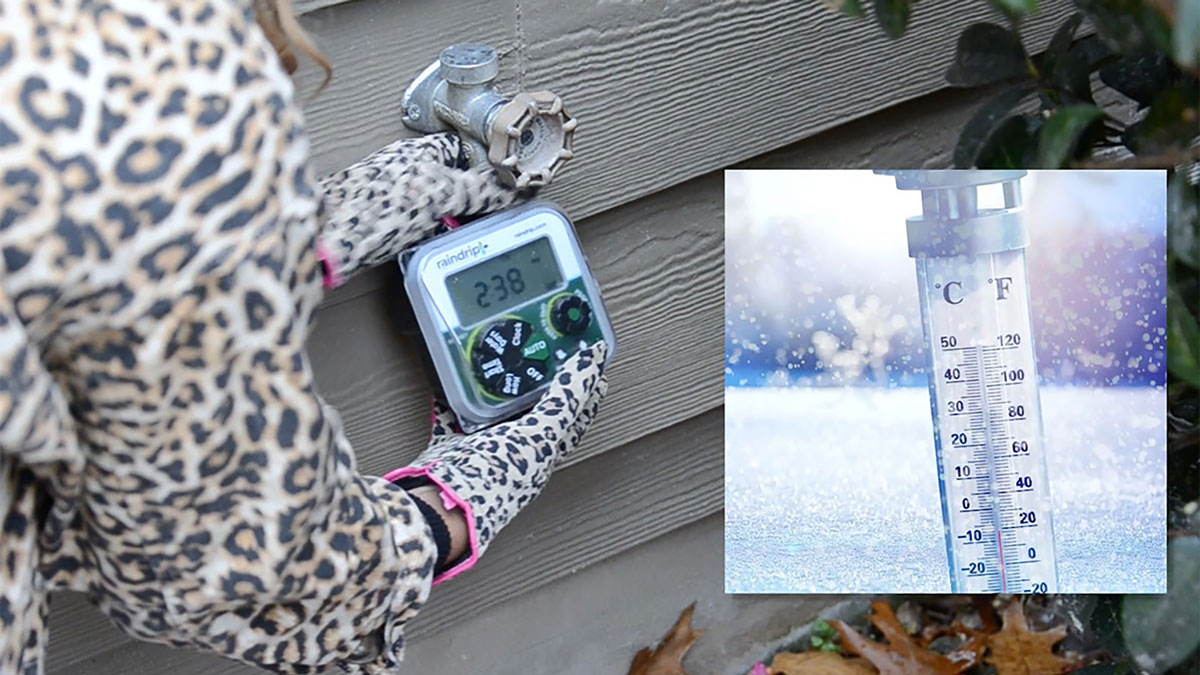
1. Shut Off the Water Supply
- Locate the main shutoff valve for your irrigation system and turn it of
- Insulate the valve if it’s exposed to prevent freezing, extend lifespan, and avoid leaks in spring
2. Drain the System
There are three primary methods depending on the system:
- Manual Drain: If your system has manual drain valves, open all drain valves at the lowest point in the system and remove end cap to allow water to flow out of the tubing or pipes
- Automatic Drain: If your system has automatic drain valves, turn off the water and the system will drain automatically—check each zone to ensure full drainage
- Blow-out Method: If you want to be more thorough, use a compressor to blow air through the lines and push out remaining water (usually requires a professional to avoid damage)
3. Protect Backflow Preventers and Valves
- Drain the backflow preventer and insulate with specialized covers to prevent ice build-up
- Wrap any exposed pipes with foam insulation or heat tape to keep ice-forming moisture out
- If maintenance is required, contact your local contractor for assistance
4. Turn Off Timers, Controllers, and Sensors
- When cold weather starts to stick around, shut off and unplug irrigation timers and controllers, take out any batteries used in timers, and store it indoors for the winter
- Remove and store pressure regulators and filters inside a warm storage area to prevent product failure
- Remove and store rain or soil moisture sensors indoors if they’re not weatherproof
5. Inspect for Repairs
- Look for leaks, cracks, or worn parts and mark any problem areas that should be addressed and fixed before next season
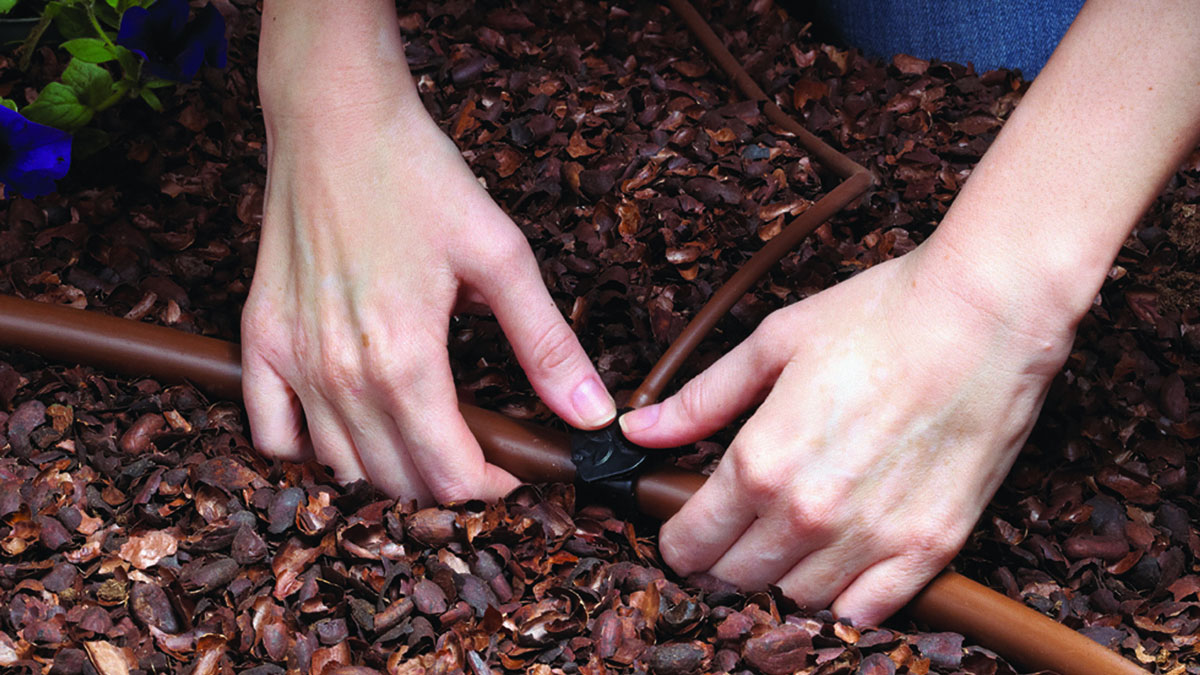
- For damaged tubing, emitters, and accessories, use the Raindrip® Drip Watering Fix-it Kit, which has over 50 drip irrigation parts, or use other compatible NDS components
Proactive maintenance ensures your systems work efficiently when the snow melts and prevents emergency repairs during winter thaws.
Final Tips:
- Schedule early: Don’t wait for the first freeze—ideally complete winterization by mid-fall.
- Hire professionals if needed: Particularly for complex irrigation systems or extensive drainage repairs.
- Document everything: Keep a log of maintenance dates, inspections, and any repairs made.
Winterizing your drip irrigation system is a vital part of property maintenance. By taking these steps before the first freeze, you’re protecting your property from the cold damage, minimizing future costs, and ensuring your drip system is ready for spring.
Explore the essential differences between retention ponds and detention ponds. Learn how each basin manages stormwater, impacting environmental and urban planning.
Read More
No more muddy paws, drenched flower beds, or splash guards that kinda work - we've got three easy drainage fixes that won't break the bank.
Read More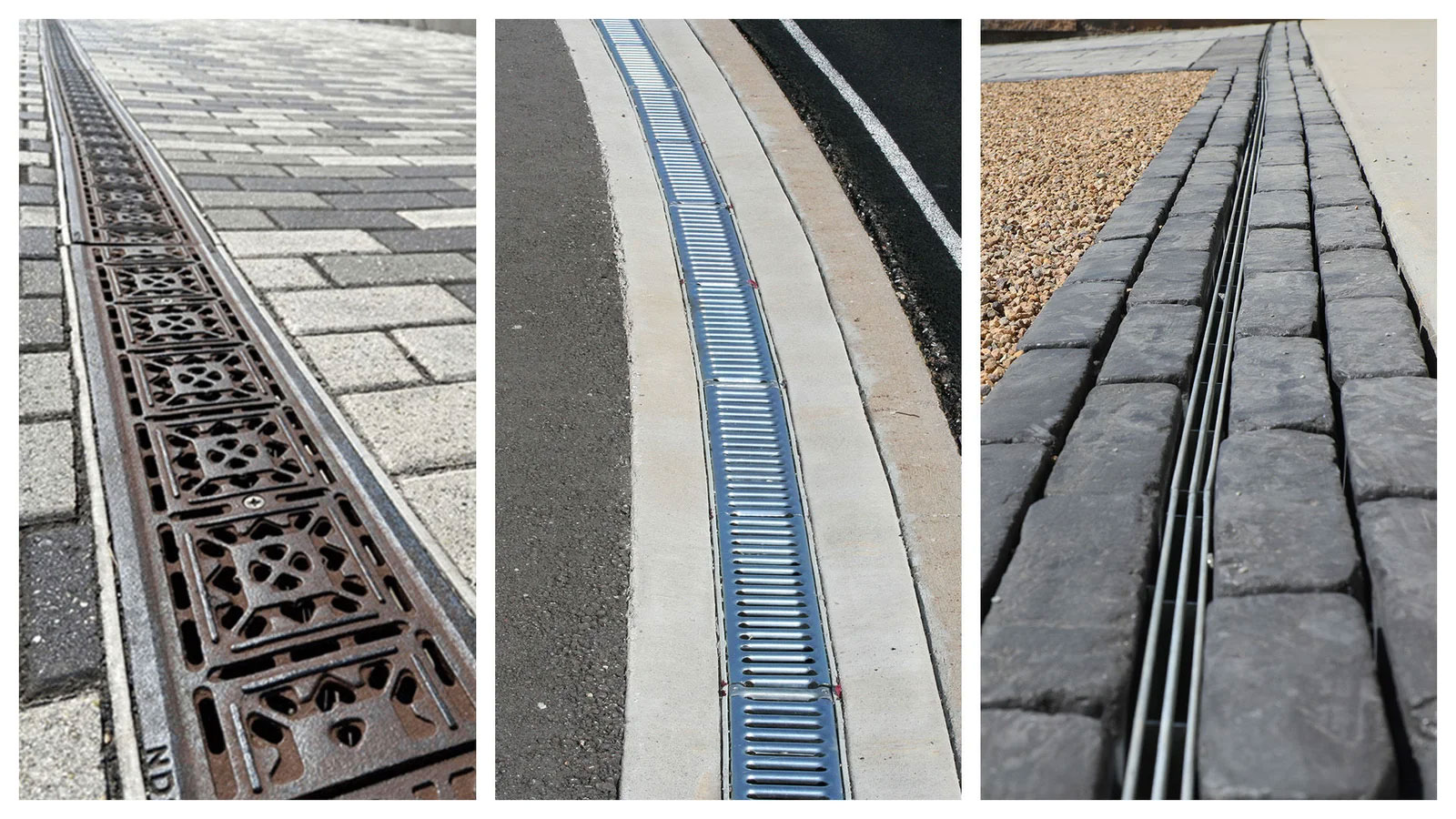
This guide covers the purpose and benefits of channel drains and how to install a trench or channel drain step by step.
Read More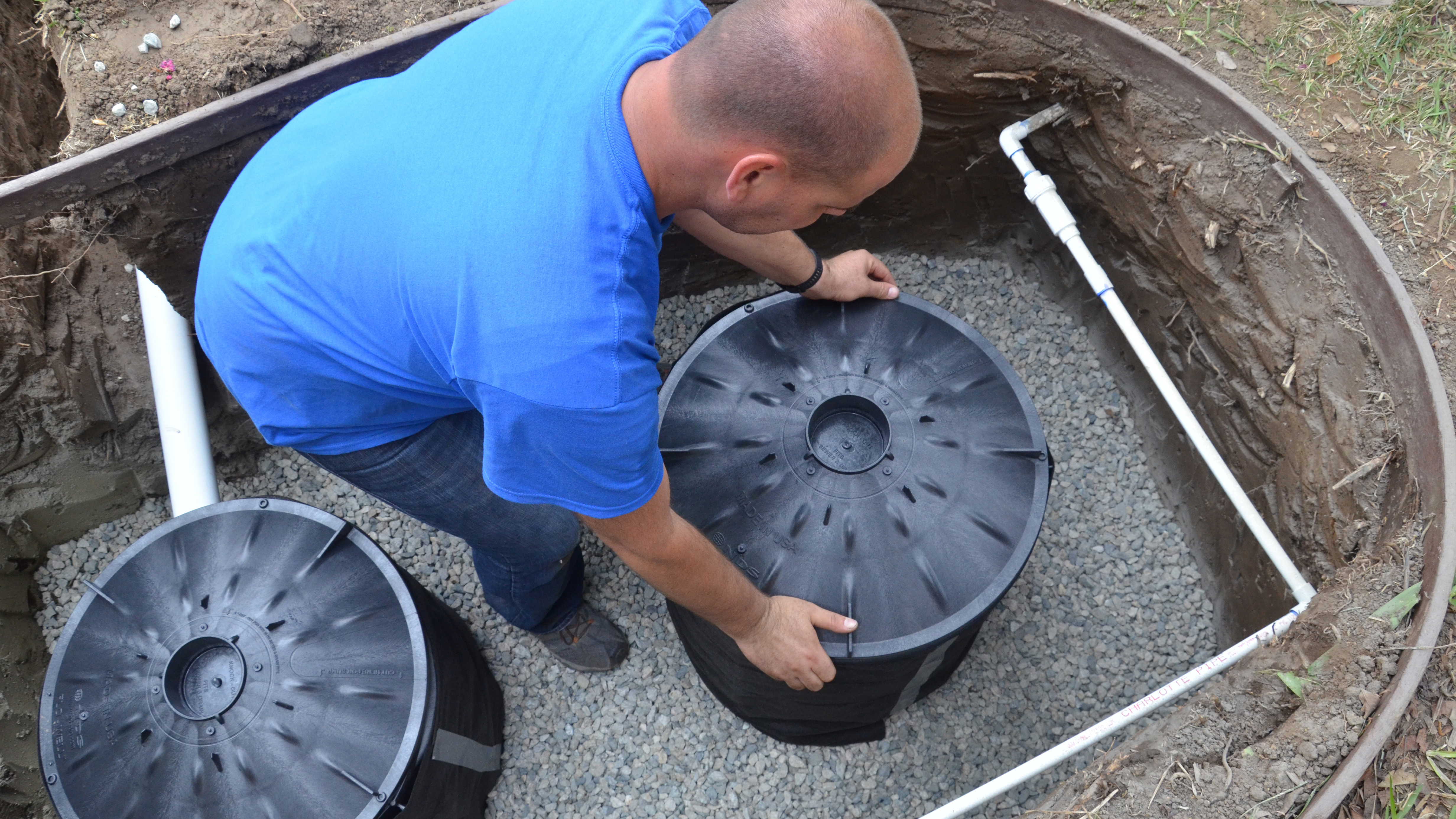
Learn how to install a dry well with our guide and practical tips for managing yard drainage effectively.
Read MoreHave Questions? Need Help? Want to Know More?

Have Questions? Need Help? Want to Know More?
No questions are too big or small. Find out how NDS solutions experts can help you solve your water management problems. Call 800-726-1994 or contact us by clicking below.
Contact Us