
Get Rid of Standing Water in Your Yard
Stop puddles and soggy spots from taking over your outdoor space.
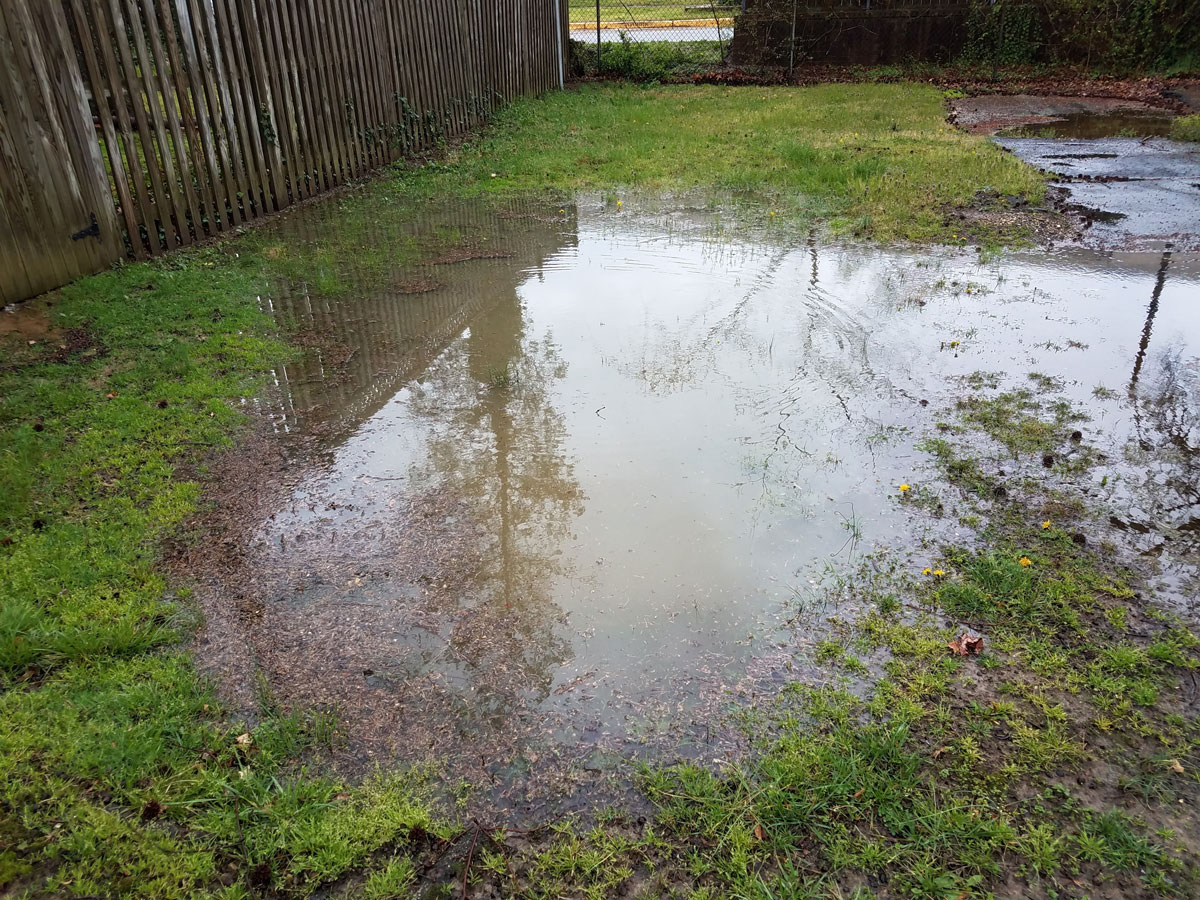
Standing water in your yard is more than an inconvenience. It can damage landscaping, attract insects, soften soil and lead to erosion near walkways, and create ongoing maintenance issues. If water pools after heavy rain or lingers for days, it’s a sign that your yard isn’t draining properly.
Many homeowners experience standing water due to compacted soil, poor grading, heavy clay conditions, or runoff from roofs and hardscapes. The good news is that most yard drainage problems can be addressed with the right combination of surface and subsurface solutions.
This guide explains why water pooling happens, how to identify the source, and the most effective ways to get rid of standing water in your yard using proven drainage solutions.
Why standing water forms in yards
Standing water occurs when rainfall or runoff cannot move away from an area fast enough. Several common conditions can contribute to this issue. For a brief overview, check out this 60-second video about spotting and solving standing water problems.
Compacted or clay soil
Clay-heavy soil absorbs water slowly, causing surface pooling after rain. Compaction from foot traffic or equipment makes the problem worse by limiting infiltration.
Poor yard grading
If your yard slopes toward low points instead of away from them, water naturally collects in those areas. Even subtle grading issues can lead to persistent puddles.
Roof and hardscape runoff
Downspouts, driveways, patios, and walkways all shed water. When runoff is not captured and redirected to a safe discharge point, it often ends up pooling in turf or planting beds.
High water table
In some regions, groundwater sits close to the surface. After heavy rain, the soil simply cannot absorb additional water quickly.
How to identify the source of water pooling
Before selecting a solution, it’s important to understand where the water is coming from.
Look for these indicators:
- Puddles that appear in the same location after every storm
- Saturated soil near downspouts
- Soft or spongy turf that never fully dries
- Water accumulation near hardscape edges
Tracking water flow during rainfall often reveals whether the issue is surface runoff, subsurface saturation, or both.
Surface solutions for standing water
Surface drainage solutions address water before it has a chance to soak into the soil.
Redirect downspout discharge
Downspouts should move water away from foundations and lawn areas where pooling occurs. Extensions, pipes, or capture devices such as catch basins connected to drain pipe can help guide water to appropriate discharge points.
A downspout adapter or NDS Downspout Defender™ kit can help direct downspout runoff into a drainage system.
Install catch basins
Catch basins collect surface water at low points and move it into underground piping. They’re ideal for yards where water collects after rain.
Catch basins work well:
- At the base of slopes
- Near patios or walkways
- In turf low spots
- Under downspouts
Subsurface solutions to fix standing water
When water pools because it cannot drain through soil due to clay soil conditions or other factors, subsurface systems are often the most effective approach. Here are two common solutions to help intercept and temporarily detain water below the surface then redirect it to a discharge point or allow it to infiltrate slowly into the ground.
French drains
French drains collect water below the surface in saturated areas where the water can’t be absorbed into the ground. They then allow the water to infiltrate into the surrounding soil or redirect it through drain pipe for release at a lower discharge point. They’re especially effective for soggy lawns and planting beds as well as for relieving hydrostatic pressure on foundations.
Engineered options like
EZflow® gravel-free French drain systems reduce labor and
improve flow capacity compared to traditional gravel systems.
Dry wells
Dry wells temporarily store excess water underground and allow it to slowly disperse into surrounding soil. They are commonly paired with downspouts or catch basins and connected by drain pipe.
Modular Flo-Well® dry well systems allow you to scale your system to match the amount of water it needs to handle. Multiple units can be linked or stacked to create a custom drainage solution for residential applications.
Do You Have Standing Water Problems?

Do You Have Standing Water Problems?
Our experts can answer your technical questions, help you design the right drainage system, and even provide step-by-step instructions.
Ask an ExpertSolutions for water pooling after heavy rain
Some yards drain adequately during light rain but struggle during intense storms.
Increase drainage capacity
Adding additional catch basins or extending subsurface drainage lines increases system capacity during peak rainfall.
Improve soil permeability
Amending soil with organic material or aerating turf can improve infiltration and relieve compaction to help reduce surface pooling.
Combine drainage methods
Many properties benefit from combining surface drains, subsurface systems, and proper grading rather than relying on a single solution.
When regrading may be necessary
In some cases, regrading the yard is the best long-term solution.
Regrading may be appropriate when:
- Water consistently flows toward the home
- Large areas remain saturated
- Existing drainage systems are undersized
Regrading should always maintain positive drainage away from structures and toward approved discharge areas.
Maintenance tips to keep water moving
Even well-designed drainage systems require basic upkeep.
Maintenance best practices include:
- Clearing debris from grates and inlets
- Inspecting downspouts regularly
- Checking for sediment buildup
- Monitoring low spots after storms
Routine maintenance ensures systems continue working as intended.
FAQs: frequently asked questions about standing water in yards
Why does water pool in my yard even days after it rains?
This often indicates poor soil drainage, compaction, or a high water table that limits infiltration.
What is the fastest way to get rid of standing water in a yard?
Surface drains or catch basins provide quick relief by collecting water at low points then redirecting it through drain pipe laid on a slope to carry it away.
Can standing water damage my lawn?
Yes. Prolonged saturation can weaken turf roots, lead to thinning grass, and create muddy areas.
Is standing water always a grading issue?
Not always. Soil type, runoff sources, and subsurface conditions can all contribute.
Can drainage solutions be combined?
Yes. Many effective systems use a combination of surface and subsurface drainage to manage water efficiently.
How do I know which drainage solution is right for my yard?
Identifying where water originates and how it moves across your property is the first step. From there, drainage components can be selected to match the issue.
Conclusion
Standing water in your yard is a clear signal that drainage needs attention. Whether the issue stems from runoff, soil conditions, or yard layout, effective solutions are available to help water move where it should.
Addressing water pooling protects your landscape, improves usability of outdoor spaces, and helps maintain the value and appearance of your property. Surface drains, subsurface systems, and proper runoff management all play a role in long-term success.
To see residential drainage solutions designed for durability and performance, explore the full range of NDS drainage products.
You can also find educational resources, videos, and planning tools through the NDS Home Drainage Center to help you choose the right approach for your yard.
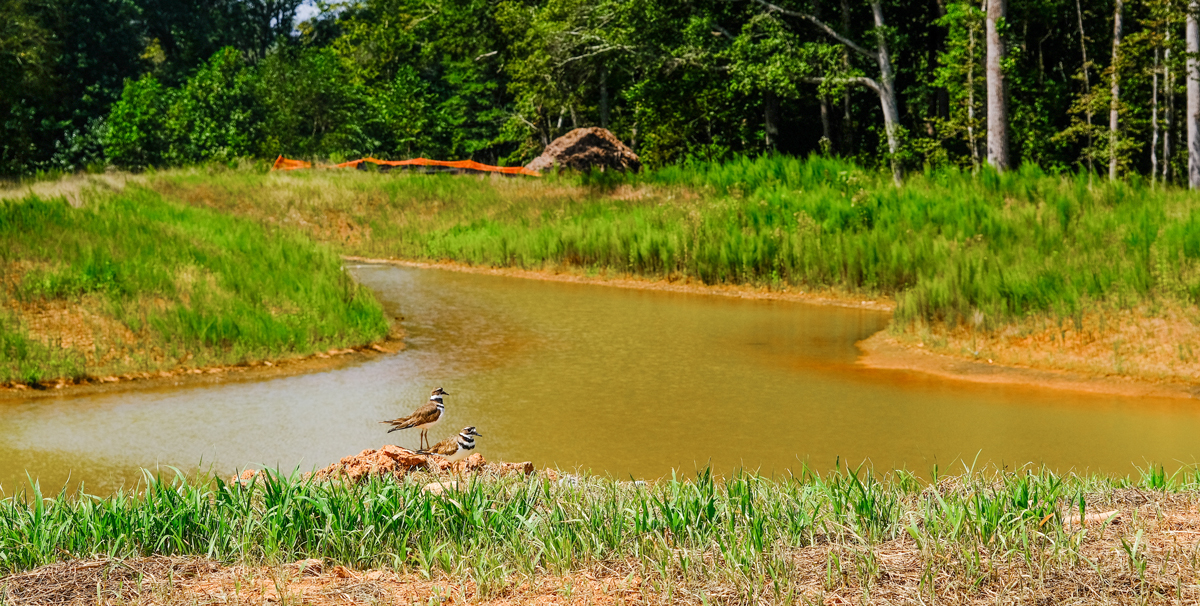
Explore the essential differences between retention ponds and detention ponds. Learn how each basin manages stormwater, impacting environmental and urban planning.
Read More
No more muddy paws, drenched flower beds, or splash guards that kinda work - we've got three easy drainage fixes that won't break the bank.
Read More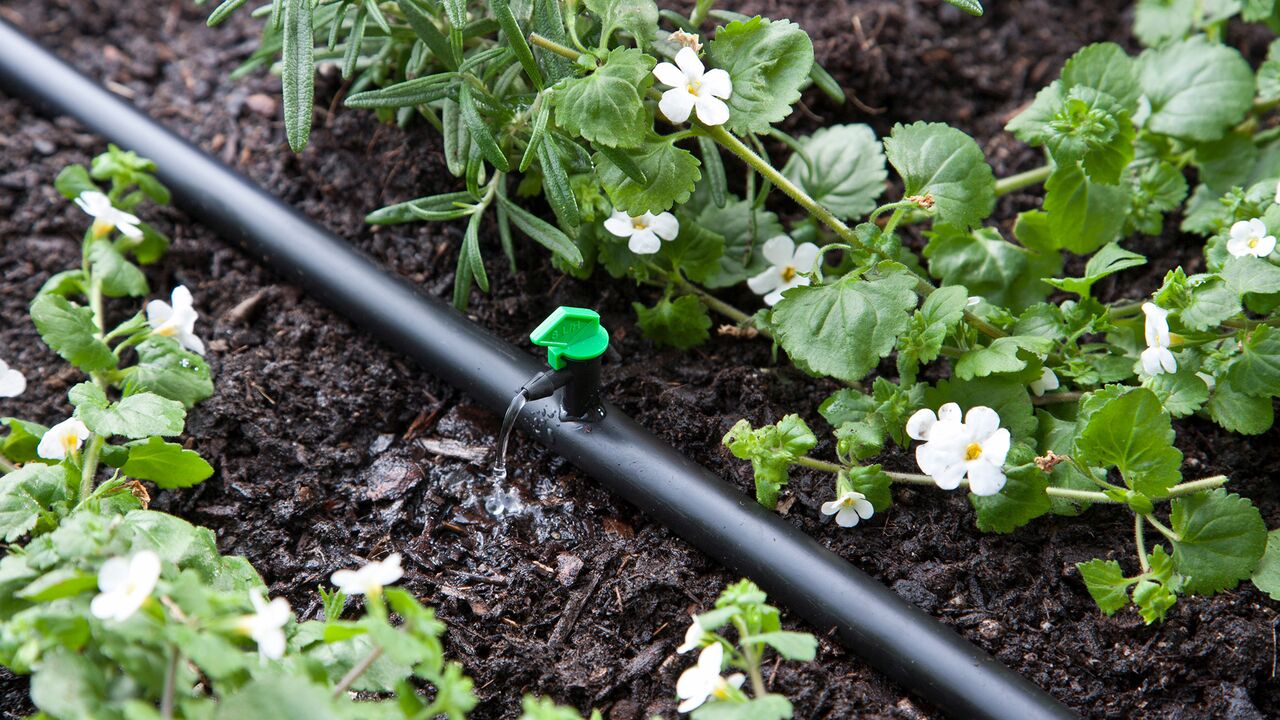
Discover what drip irrigation emitters are, how they work, and shop a wide selection of drip irrigation emitters to improve your garden's water efficiency.
Read More
Discover the best ways to save water in your lawn and garden with simple irrigation upgrades, soil improvements, and water-smart landscaping tips.
Read MoreHave Questions? Need Help? Want to Know More?

Have Questions? Need Help? Want to Know More?
No questions are too big or small. Find out how NDS solutions experts can help you solve your water management problems. Call 800-726-1994 or contact us by clicking below.
Contact Us