
Best Ways to Save Water in Your Lawn and Garden
Keeping your lawn and garden healthy doesn’t have to require excessive watering.
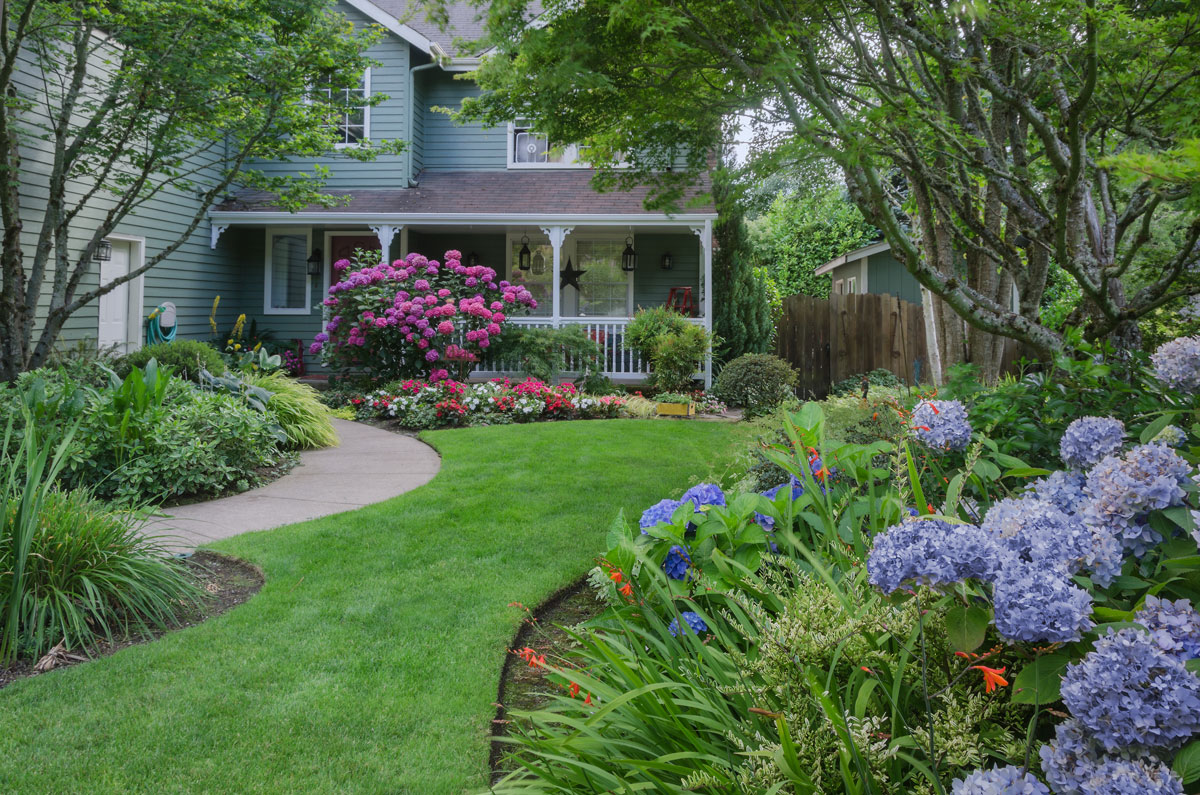
Many homeowners struggle with rising water bills and are looking for ways to cut down on their outdoor water use. Problems like dry patches in turf or plants that wilt even after daily watering are also a concern. The truth is that saving water outdoors is easier than most people expect. By making a few strategic changes to your watering habits, upgrading certain irrigation components, and choosing plants suited for your climate, you can dramatically lower water use while still maintaining a thriving landscape.
This guide walks through simple, practical steps for reducing water waste in your yard. These improvements not only help save money on water bills, they also support sustainability and help preserve water for future generations—which is an important part of the NDS mission.
Why saving water outdoors matters
Outdoor irrigation can account for up to half of a home's total water use, especially in drier regions that rely heavily on irrigation. When temperatures rise, plants need more water to stay healthy. Homeowners often respond by increasing their irrigation run times and end up overwatering their plants. Systems left on fixed schedules frequently deliver more water than needed.
Saving water outdoors benefits homeowners in several ways:
- Reduces monthly water bills
- Protects water supplies during high-demand periods
- Prevents plant stress and disease caused by overwatering
- Minimizes runoff that can damage patios, walkways, or landscapes
A few simple changes in your watering routine can reduce outdoor water use by 20 to 50 percent.
Smart irrigation strategies
Modern irrigation improvements offer the fastest, most reliable ways to save water in your lawn and garden. These upgrades focus on applying water only where it’s needed and when it’s needed.
Use smart irrigation controllers
Smart controllers use weather data, temperature, and soil moisture readings to adjust watering schedules automatically. These systems prevent unnecessary watering on cloudy days or immediately after rainfall.
Benefits include:
- Reduced water waste
- Consistent watering without daily adjustments
- Fewer dry spots and less plant stress
Pairing a smart controller with an NDS Drip Zone Kit helps homeowners create a water-saving irrigation zone for garden beds and shrubs.
Switch from sprinklers to drip irrigation
Sprinklers lose water to evaporation and wind. Drip irrigation delivers water slowly at the soil level or to the plants’ root zones, where plants can absorb it efficiently.
Drip irrigation solutions like NDS dripline and AccuFlow™ pressure-compensating emitters provide an effective alternative to traditional sprinklers for a variety of landscape applications including:
- Vegetable gardens
- Flower beds
- Native plantings
- Shrubs and hedges
- Narrow side-yard strips
- Tree wells
Drip irrigation typically reduces water use by 70 percent compared to sprinklers. It’s one of the most effective water-saving irrigation methods because nearly all applied water reaches the root zone for individual plants.
Fix leaks, overspray, and blocked heads
Irrigation leaks are sometimes invisible until the water bill arrives. Small leaks in valves, pipes, or sprinkler heads can waste thousands of gallons per season.
Watch for:
- Wet sidewalks or fences
- Water spraying into streets
- Puddles forming near sprinkler heads
- Sudden spikes in monthly water bills
A short inspection of the drip system at the start of each season helps prevent costly waste.
Add soil moisture sensors
Soil moisture sensors prevent watering when the soil already contains adequate moisture. These devices connect easily to most irrigation controllers.
Benefits:
- Prevents overwatering
- Stabilizes moisture levels for vegetables and perennials
- Reduces runoff and shallow root growth
Do You Have Standing Water Problems?

Do You Have Standing Water Problems?
Our experts can answer your technical questions, help you design the right drainage system, and even provide step-by-step instructions.
Ask an ExpertSoil and mulching techniques that save water
Healthy soil retains more moisture and reduces watering frequency. Improving soil conditions is a long-term water saver for any landscape.
Improve soil with compost
Compost boosts soil structure, helping it absorb and retain water.
Advantages:
- Less runoff
- Better nutrient availability
- Stronger, deeper root growth
Spread one to two inches of compost into garden beds annually.
Use mulch to reduce evaporation
Mulch insulates the soil surface, reducing temperature changes and helping it stay moist.
Recommended mulch depths:
- Garden beds: 2 to 3 inches
- Around shrubs and trees: 3 to 4 inches
Benefits:
- Slows evaporation
- Suppresses weeds that compete for water
- Conditions the soil over time
Quick fact: In hot weather, mulched soil may stay 10 to 20 degrees cooler than bare soil.
Aerate your lawn to improve water absorption
Soil compaction prevents water from penetrating deeply. Lawn aeration breaks up compacted soil so water can travel downward rather than running off.
Benefits:
- Deeper roots
- Less pooling or runoff
- Better drought resilience
Choose plants that require less water
Selecting plants suited to your climate reduces the need for supplemental watering.
Use drought-tolerant and native plants
Native species require minimal watering once established. They thrive in local conditions and support pollinators. In arid regions, drought-tolerant plants can handle dry periods with less supplemental watering.
Popular examples include:
- Lavender
- Sage
- Rosemary
- Penstemon
- California poppy
- Native ornamental grasses
These plants help create a low-maintenance garden design.
Group plants by water needs (hydrozoning)
Hydrozoning means planting species with similar water requirements together. This approach allows targeted watering and prevents waste.
Water zones:
- High: veggies, annuals
- Medium: perennials, small shrubs
- Low: drought-tolerant or xeriscape areas
Hydrozoning simplifies irrigation and supports healthier plant communities.
Reduce high-water turf areas
Grass lawns consume more water than any other landscape element. Replacing portions of turf with native groundcovers, mulch areas, or permeable hardscapes can significantly reduce water use.
Quick fact: Replacing 500 square feet of lawn can save up to 10,000 gallons of water each year.
Best ways to water your garden efficiently
Good watering habits make a noticeable difference in water use and plant performance.
Water early or late in the day
Water evaporates quickly in direct sunlight. Watering in early morning or late evening allows moisture to soak into the soil before temperatures rise.
Preferred times:
- 4 AM to 9 AM
- After sunset in hotter climates
Follow the deep and infrequent watering method
Deep watering encourages deeper root systems, making plants more drought resistant.
Guidelines:
- Water until soil is moist six to eight inches deep.
- Allow soil to dry slightly between watering sessions.
Water at the base of plants
Watering at the soil surface prevents wet foliage, reduces disease risk, and limits evaporation. Drip irrigation and soaker hoses excel at this.
Use soaker hoses or drip for beds
For beds and borders, drip irrigation or soaker hoses are the best way to water garden areas efficiently. They supply slow, steady moisture without waste.
Additional tools to help save water
Small tools and system add-ons help homeowners maintain control over irrigation.
Install rain barrels for free water
Rain barrels capture roof runoff for watering shrubs, potted plants, and garden beds. This reduces use of municipal water.
Use graywater for ornamental plants
Laundry or shower graywater can be reused safely for landscape irrigation when permitted by local regulations.
Add a flow meter
Flow meters help identify leaks, excessive irrigation, or hidden system issues before they cause water waste.
Look for poor drainage areas
Pooling water indicates poor infiltration. Solutions such as a French drain like the EZflow® gravel-free French drain or a drainage system featuring a catch basin can help redirect water and improve soil conditions.
Benefits of using water-saving practices
Saving water provides numerous benefits beyond reduced monthly bills.
Benefits include:
- Healthier plants with deeper root systems
- Greater drought resilience
- Improved soil health
- A more attractive and sustainable landscape
FAQs: frequently asked questions
What is the best way to water a garden?
Water at the soil line using drip irrigation or soaker hoses. Slow, steady watering provides the best moisture penetration with the least waste.
How often should I water my lawn?
Water one to three times per week depending on soil type and climate. Deep watering encourages healthier root growth.
Do drip systems save water?
Yes. Drip irrigation can reduce water use by up to 70 percent compared to sprinklers by delivering water directly to plant roots.
Can mulch help save water?
Mulch reduces evaporation, improves soil structure, and keeps roots cool. It’s one of the most effective water-saving materials.
How do I know if I am overwatering?
Look for soggy soil, yellowing leaves, pooling water, fungal growth, or shallow root systems.
How do I know if my irrigation system is wasting water?
Signs include overspray, wet pavement, inconsistent lawn color, or unusually high water bills.
Conclusion
Reducing water use outdoors does not require major landscape changes. Small improvements such as switching to drip irrigation, improving soil health, adjusting watering schedules, and choosing drought-tolerant plants can significantly reduce waste while supporting stronger plant growth.
Whether you begin with mulch, a smart controller, or NDS dripline, each step contributes to a sustainable landscape that supports property health and water conservation. For more helpful resources, visit NDS drip irrigation and reach out to our dedicated customer service team for support.
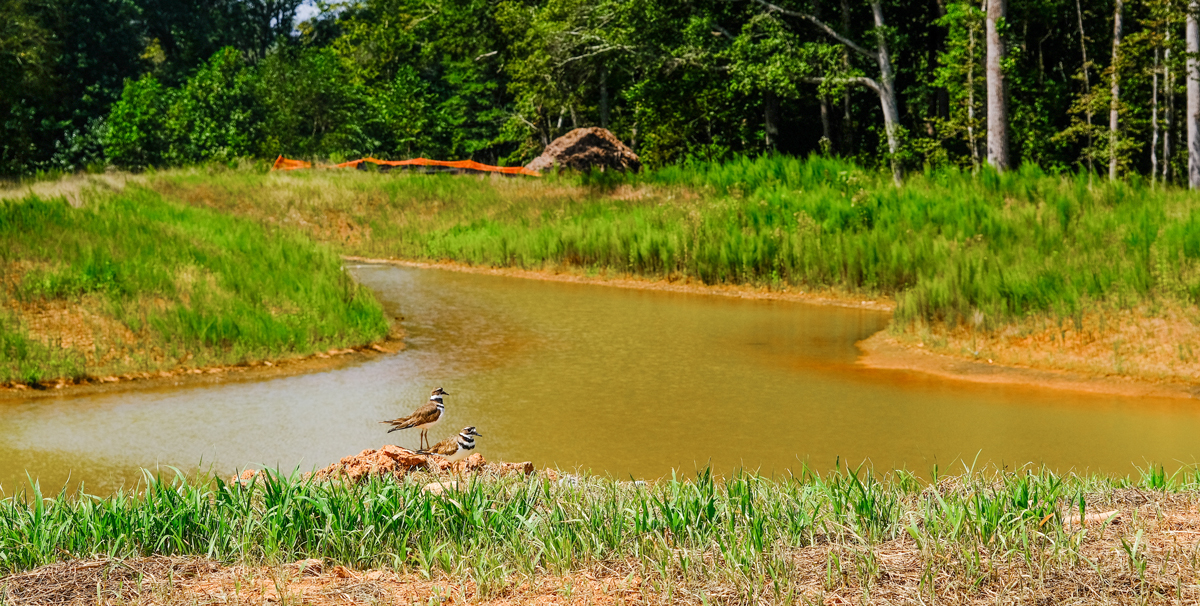
Explore the essential differences between retention ponds and detention ponds. Learn how each basin manages stormwater, impacting environmental and urban planning.
Read More
No more muddy paws, drenched flower beds, or splash guards that kinda work - we've got three easy drainage fixes that won't break the bank.
Read More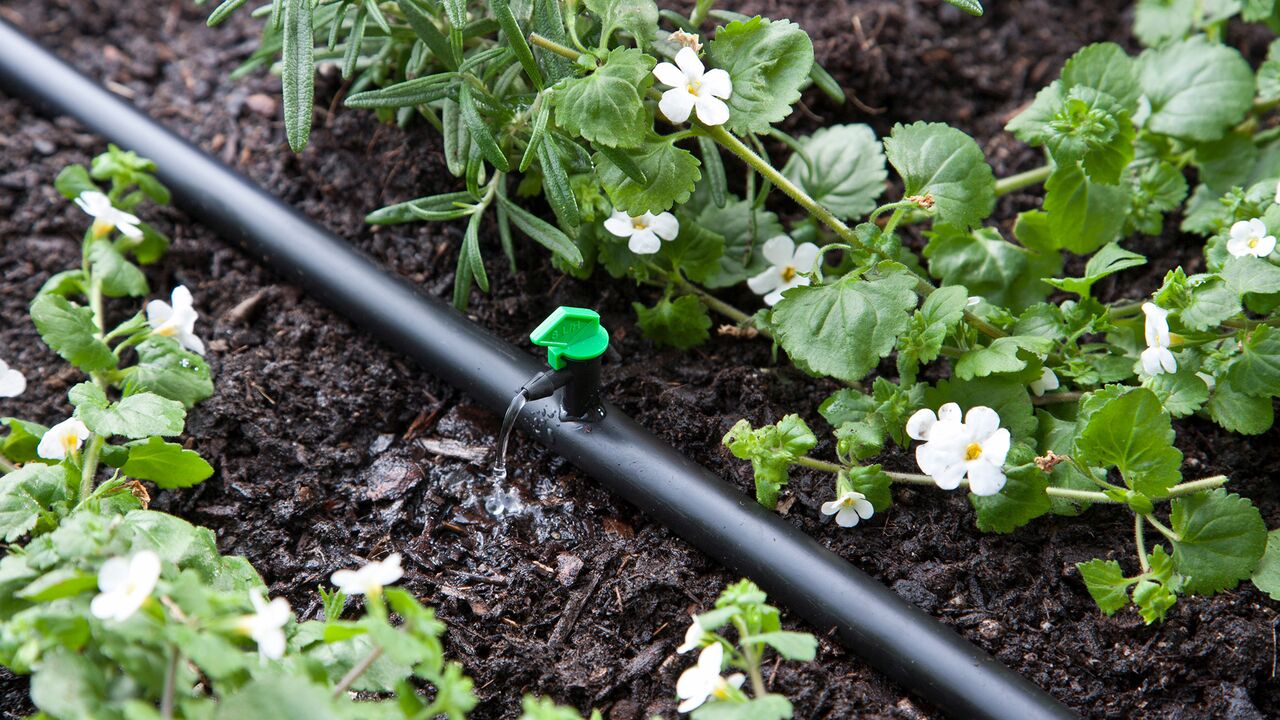
Discover what drip irrigation emitters are, how they work, and shop a wide selection of drip irrigation emitters to improve your garden's water efficiency.
Read More
Learn how to install a residential stormwater drainage system from planning to dry wells, pipe slope, and costs, with materials and step-by-step tips.
Read MoreHave Questions? Need Help? Want to Know More?

Have Questions? Need Help? Want to Know More?
No questions are too big or small. Find out how NDS solutions experts can help you solve your water management problems. Call 800-726-1994 or contact us by clicking below.
Contact Us