
Channel Drain vs. Trench Drain: What Homeowners Should Know Before Choosing a System
Find the right drainage solution for your hardscape water problems.

Surface water is one of the most common problems homeowners face on hardscapes such as driveways, patios, and walkways. When water moves across an impervious or non-porous surface, it can pool near foundations, create slippery areas, and lead to erosion over time.
Two of the most effective solutions are channel drains and trench drains. Although the names sound similar, they serve different purposes and offer unique benefits depending on the site and the amount of water you need to manage.
This guide compares channel drains and trench drains to help you determine which system is right for your property.
What is a channel drain?
A channel drain is a long, narrow drain used to capture and redirect surface water across hardscapes.
Channel drains come in modular sections that snap together, which makes them appealing for homeowners and efficient for contractors who need to complete projects quickly.
How channel drains work
Channel drains collect sheet flow,
meaning a layer of water spread over a large area such as patios, driveways,
pool decks, and walkways. Once water enters the channel, it travels downstream
through the drainage system to infiltrate into the ground or to a discharge
point such as a pop-up emitter.
Where channel drains work best
Channel drains are most effective in areas with moderate runoff, including:
- Driveways that slope toward the garage
- Patios that collect water near doors
- Pool decks with standing water
- Walkways that become slippery after rain
- Small courtyards or hardscape areas where water has nowhere to go
NDS offers a wide range of channel drain solutions including: Micro™ channel drains, Mini™ channel drains, Slim™ channel drains, Dura Slope® channel drains, Spee-D® channel drains, and Pro Series™ channel drains.
What is a trench drain?
A trench drain serves a similar purpose, but it’s heavier duty and designed for larger volumes of water or areas that experience heavy vehicle traffic or high load conditions. A trench drain is deeper and often wider than a channel drain, which increases the system’s capacity and strength. For more information, see What is a Trench Drain.
How trench drains work
Trench drains are installed within a deeper excavation, sometimes with concrete support. The additional depth allows the system to move a higher volume of water quickly compared to a channel drain. This makes trench drains suitable for areas that experience heavy rainfall or continuous water flow.
Where trench drains work best
Trench drains are commonly used in:
- Large driveways and long concrete runs
- Sloped areas that channel water downhill
- Commercial properties
- Parking lots and garage ramps
- Industrial loading zones and warehouses
- High-traffic hardscape areas
like highways and heavy traffic applications
BG-FILCOTEN® trench drains are made of fiber-reinforced high-performance concrete to support residential and commercial applications where durability and high load ratings are essential.
Do You Have Standing Water Problems?

Do You Have Standing Water Problems?
Our experts can answer your technical questions, help you design the right drainage system, and even provide step-by-step instructions.
Ask an ExpertChannel drain vs. trench drain: key differences
Below is a comparison that highlights how both systems perform in common categories homeowners consider.
Comparison overview
Channel drains:
- Modular and lightweight
- Can be DIY-friendly
- Designed for moderate flow
- Ideal for patios, walkways, pool decks, and residential driveways
- Wide range of grate options
Trench drains:
- Heavier duty
- Suitable for high-volume flow
- Often requires professional installation
- Designed for slopes, long driveways, and high-load areas
Pros and cons of channel drains
Advantages
- Easier to handle and install for most homeowners
- Works well in typical residential hardscapes
- Clean appearance with many grate styles
- Modular sections allow quick installation
- Cost effective for moderate flow needs
Considerations
- Not suitable for heavy water flow and heavy loads
- Shallower depth limits system capacity
- May require more frequent cleaning where debris is present
Pros and cons of trench drains
Advantages
- Handles significantly higher water volumes
- Stronger system for driveways and vehicle areas
- Better performance in heavy rain or steep grades
- Long-term durability in demanding environments
Considerations
- Requires deeper excavation
- More complex installation
- Better suited for contractors or experienced homeowners
When a channel drain is the right choice
A channel drain is the better option when:
- You have water flowing across patios or pool decks
- Your driveway slopes toward a structure
- You need a low-profile, clean solution with decorative grates
- Your priority is fast installation
- You want a drainage system appropriate for moderate rainfall
Channel drains excel in residential settings where the goal is to manage surface runoff without major excavation.
When a trench drain is the better choice
A trench drain is ideal when:
- Large amounts of water collect in a concentrated area
- Your landscape includes steep slopes
- You manage long driveways or wide hardscape areas
- Vehicle load requirements exceed typical residential use
- You live in an area with frequent, heavy storms
Trench drains also provide peace of mind for properties where water regularly reaches the home’s foundation.
Installation considerations
Channel drain installation
Channel drains typically require:
- A shallow trench
- A level base
- Proper outlet placement
- Concrete on both sides when installed in a driveway
Some homeowners handle channel drain installation themselves by following manufacturer guides, while others prefer to hire a drainage pro to complete the work. NDS channel drain systems are designed with interlocking components that make alignment and leveling easier.
Trench drain installation
Trench drains require:
- Deeper excavation
- Proper slope management
- Concrete support in many designs
- Accurate alignment for heavy loads
These systems are best installed by professionals, especially in driveways or commercial settings where load and flow requirements are higher.
Maintenance and long-term care
Drainage systems last longer when maintained regularly. For both channel and trench drains, homeowners should periodically:
- Remove leaves and debris from grates
- Check for sediment buildup
- Rinse channels to ensure smooth flow
- Confirm outlet points are unobstructed
For heavy-duty applications, consider BG-FILCOTEN® trench drains and other polymer systems that are engineered for durability, UV resistance, and long operating life, which helps reduce long-term maintenance demands.
FAQs: frequently asked questions
Which system handles more water, trench drains or channel drains?
Trench drains handle more water due to their depth and capacity. They’re built for high-volume flow.
Can I use a channel drain in my driveway?
Yes, as long as the water flow is moderate and you choose a grate that’s designed for vehicle traffic. NDS Spee-D channel drains and BG-FILCOTEN trench drains are commonly used in residential driveways.
Do trench drains always require concrete?
Most trench drains require concrete on at least two sides for structural support. This improves durability, especially in vehicle areas.
Are channel drains easier for homeowners to install?
Yes. Their modular design and shallower depth make them a practical DIY option.
How do I choose a grate?
Match the grate material to your application and style preferences, but keep in mind that the type of grate determines the load rating of your system. Plastic grates are great for patios and pool decks. Metal grates are better for vehicle traffic and high-load areas. Decorative grates can elevate the overall appearance of the project.
Choosing the best drain for your property
The choice between a channel drain and a trench drain comes down to how much water you need to manage and the type of surface you’re protecting.
- Choose channel drains for residential patios, small driveways, and walkways with moderate water flow.
- Choose trench drains for large driveways, sloped surfaces, high-volume flow, or any hardscape that experiences heavy vehicle traffic.
NDS provides dependable solutions for both residential and commercial needs. Homeowners can explore drainage systems suited for their project size and water flow conditions.
If you’re unsure which system fits your property, the NDS customer support team can help guide your selection so you install the right system the first time.
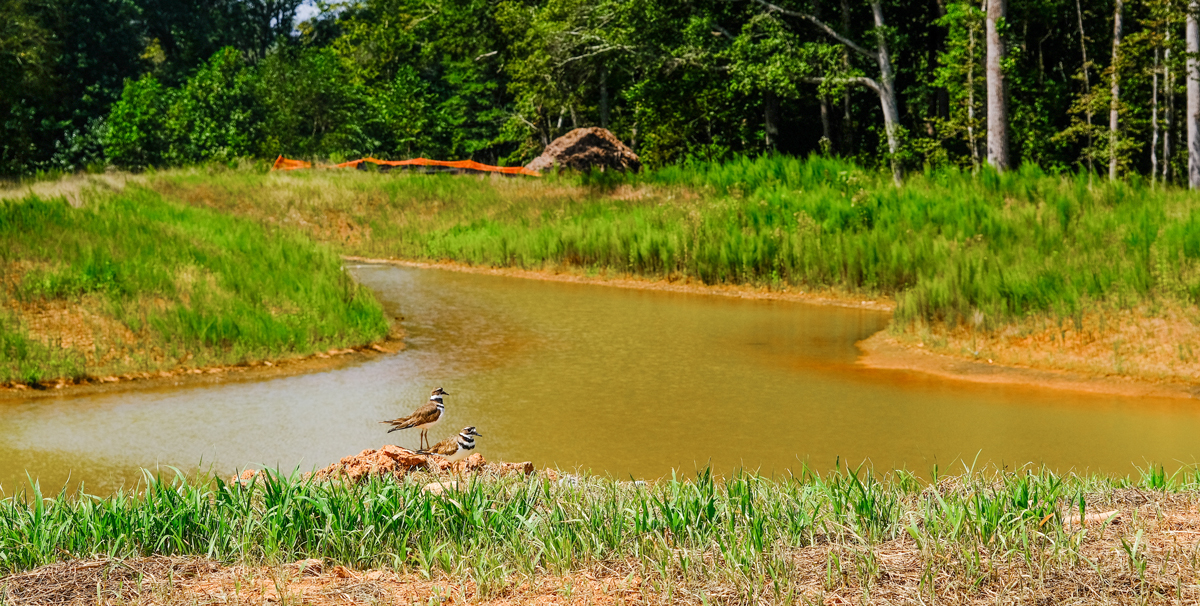
Explore the essential differences between retention ponds and detention ponds. Learn how each basin manages stormwater, impacting environmental and urban planning.
Read More
No more muddy paws, drenched flower beds, or splash guards that kinda work - we've got three easy drainage fixes that won't break the bank.
Read More
Discover what drip irrigation emitters are, how they work, and shop a wide selection of drip irrigation emitters to improve your garden's water efficiency.
Read More
Discover the best ways to save water in your lawn and garden with simple irrigation upgrades, soil improvements, and water-smart landscaping tips.
Read MoreHave Questions? Need Help? Want to Know More?

Have Questions? Need Help? Want to Know More?
No questions are too big or small. Find out how NDS solutions experts can help you solve your water management problems. Call 800-726-1994 or contact us by clicking below.
Contact Us