
Filtration & Purification Systems
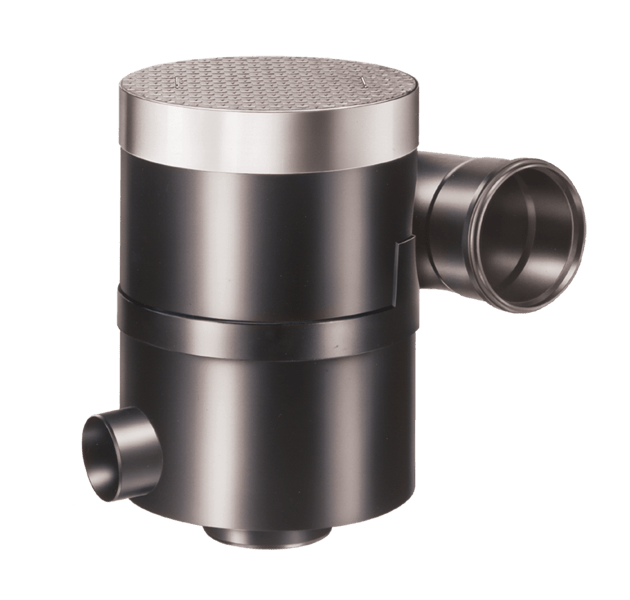
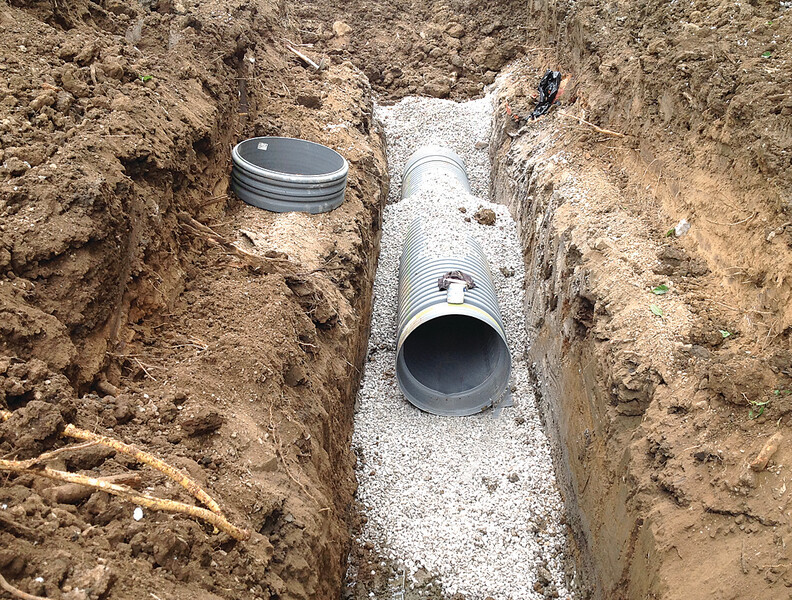
Rainwater harvesting filtration and purification systems improve harvested water quality by removing debris and other harmful contaminants. Filtration systems have three stages of filtration: sediment, carbon and ultraviolet. Multistep filtration allows water to be treated to the level needed for its intended reuse, offering a sustainable solution that reduces reliance on public water systems and lowers costs.


Overview
Filtering and purification systems play a critical role in rainwater harvesting, especially when the collected water is intended for reuse. The level of treatment depends on the intended application. Filtration has three stages, with each step progressively improving water quality making it suitable for potable (drinkable) use.
- Sediment Filtration Units: Once water is collected, this is the first step of filtration. It removes particulates to protect downstream equipment and is a required step before UV filtration can occur.
- Carbon Filters: Carbon filters are an optional level of filtration used in combination with sediment filters to improve the clarity, odor, and taste of rainwater. For a reliable and efficient filtration system, it is recommended to place the carbon filter after the sediment filter and before the UV disinfection stage
- Ultraviolet Light (UV): UV light is required for potable use, as it provides fast and effective disinfection by destroying bacteria, viruses and other pathogens. These systems are easy to install and can be customized for different applications, making them a reliable choice for rainwater purification.
Features and Benefits
- Essential for indoor use: Whole-house filtration systems are critical for safely using collected rainwater indoors.
- Removes diverse contaminants: Filters out dust, organic matter, and atmospheric pollutants picked up during collection.
- Tailored treatment levels: Different filtration stages cater to water quality requirements based on intended use (e.g., irrigation vs. potable use).
- Protects health and safety: Ensures harvested rainwater meets health standards, especially for human contact or consumption.
Documentation
Rainwater Harvesting Case Studies
Rainwater Harvesting Case Studies
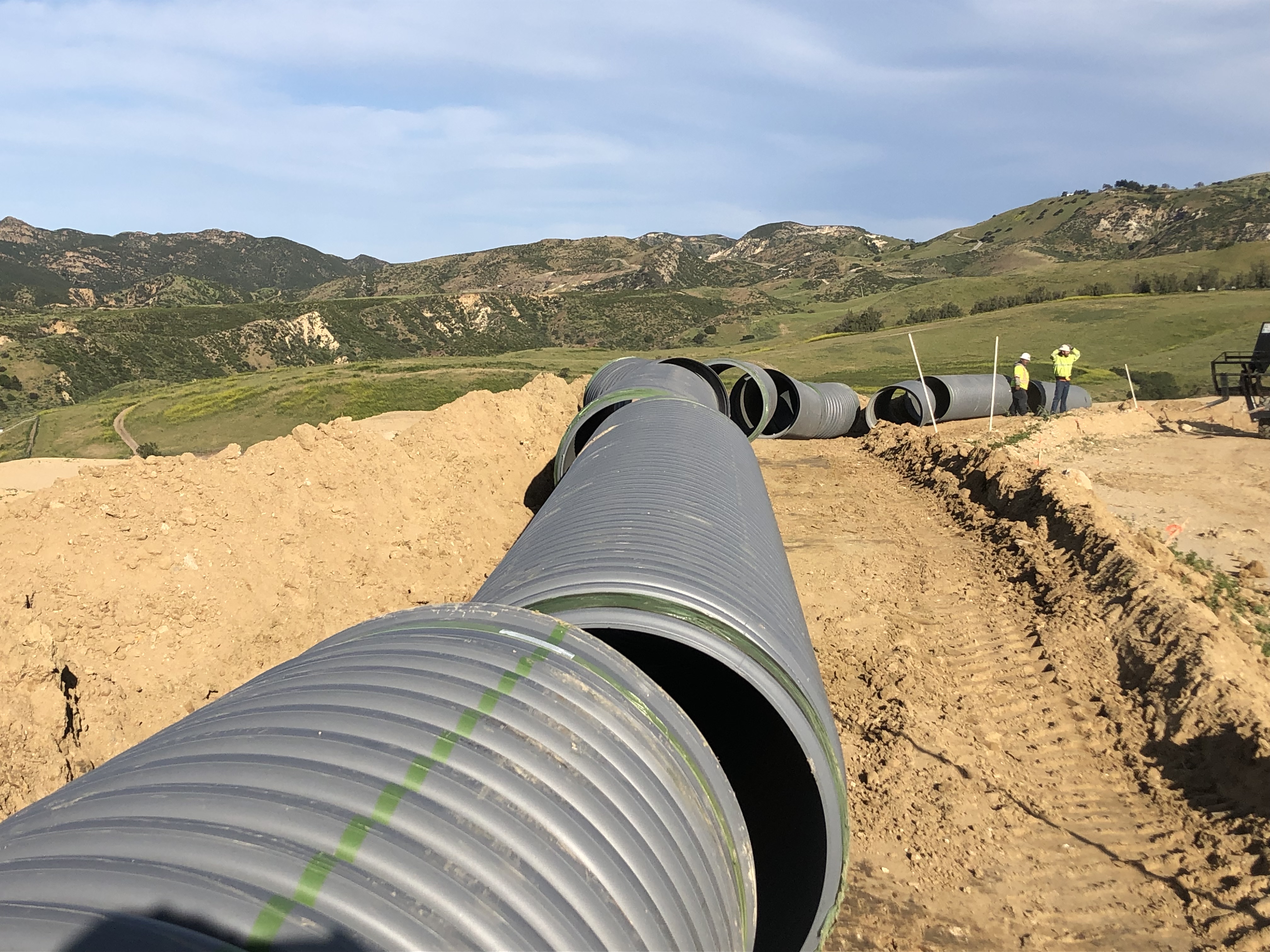
See how the scale and power of ADS continues to evolve and revolutionize rainwater collection, storage, filtration and reuse.
Case Studies